
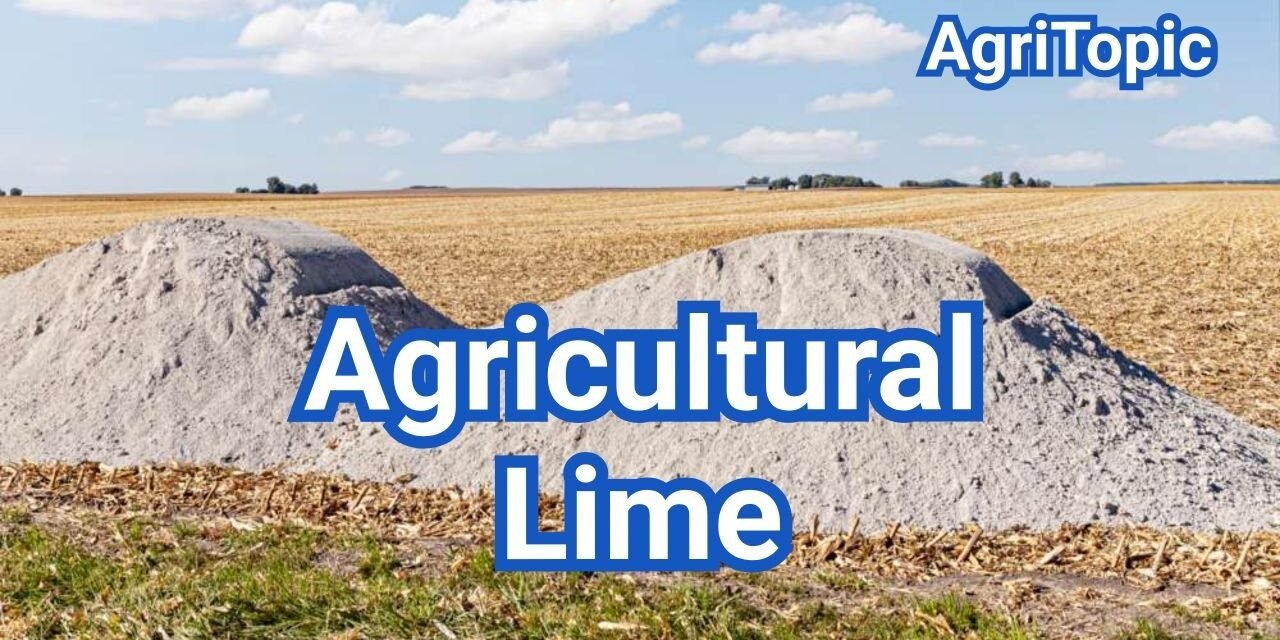
Healthy soil serves as the foundation for every successful harvest. Many farmers and gardeners struggle with acidic earth that prevents plants from absorbing vital nutrients. Using agricultural lime is a proven method to restore balance and boost productivity across the country.
This comprehensive guide lime explores how this essential mineral works to neutralize acidity. Understanding agricultural limestone is vital for anyone managing land in the United States. Our agricultural lime in usa overview highlights why this practice remains a staple of modern farming.
You might wonder, what is lime used for in agriculture? a comprehensive guide provides the answers you need to succeed. By mastering various agri lime uses, you can transform poor soil into a thriving environment. Proper application ensures your crops receive the minerals they require to flourish throughout the growing season.
Quick answer: Agricultural lime is ground limestone used to neutralize acidic soil and raise pH toward the range required by the intended crop. Apply it when a representative soil test recommends lime—often several months before a sensitive crop—and calculate tons per acre from the laboratory requirement and the product’s effective neutralizing rating, not from pH alone University of Minnesota Extension.
Key Takeaways
- Soil pH balance is critical for nutrient uptake in crops.
- Adding crushed stone helps neutralize acidic soil conditions effectively.
- Consistent testing prevents over-application and saves money.
- Proper timing of application maximizes long-term soil health.
- Healthy soil leads to higher yields and stronger plant growth.
Understanding the Fundamentals of Agricultural Lime
To master soil health, one must first grasp the essential role that agrilime plays in balancing the earth beneath our feet. This foundational soil additive is more than just crushed rock; it is a vital tool for any serious grower looking to optimize their land. By understanding lime and its role, you can transform unproductive dirt into a nutrient-rich environment for your crops.
What is agricultural lime and how does it benefit your soil?
At its core, what is agricultural lime? It is essentially limestone or dolomite that has been ground, washed, and screened for use as a soil treatment. Many people refer to it as ag lime or agro lime, but the function remains the same: it neutralizes acidity.
When you apply this material, it works to raise the pH of acidic soil. This process unlocks essential nutrients that were previously trapped and unavailable to plant roots. Understanding agricultural lime through expert insights reveals that it is the most cost-effective way to improve soil structure and microbial activity.
“The secret to a bountiful harvest often lies not in the seeds you plant, but in the chemistry of the soil that sustains them.”
— Agricultural Soil Science Journal
The chemical composition and agricultural lime formula
The composition of agricultural lime typically centers on calcium carbonate (CaCO3). In some cases, it may also contain magnesium carbonate, which is often marketed as pro aglime or dolomitic lime. The standard agricultural lime formula relies on these carbonates to react with hydrogen ions in the soil.
When these carbonates dissolve, they release calcium and magnesium while neutralizing the acidity. This chemical reaction is the primary reason why agrical lime is so effective. Without this specific reaction, the soil would remain too acidic for most common crops to thrive.
Why soil pH is significant for crop health
You might wonder, why is soil pH significant for your specific plants? Soil pH acts as a gatekeeper for nutrient uptake. If the pH is too low, plants cannot absorb nitrogen, phosphorus, or potassium, even if those nutrients are present in the soil.
Maintaining the correct pH ensures that your plants can access the fuel they need to grow strong and healthy. By using what is lime effectively, you create a stable environment where crops can reach their full genetic potential. Consistent monitoring of your soil pH is the hallmark of a successful agricultural strategy.
The Importance of Agricultural Lime in Soil Management

When soil acidity levels rise, the entire nutrient profile of your land can become locked and inaccessible to plants. Managing soil health effectively requires a deep understanding of the crucial role that ag lime plays in maintaining a balanced environment. By adjusting the chemical state of the earth, growers can ensure their crops receive the necessary minerals to thrive throughout the season.
Neutralizing soil acidity and improving nutrient uptake
The primary function of agricultural lime is to neutralize acidic soils, which often act as a barrier to plant development. When soil pH drops too low, essential nutrients like nitrogen, phosphorus, and potassium become chemically bound to soil particles. This phenomenon, known as nutrient lockout, prevents roots from absorbing the fuel they need for growth.
By applying lime, farmers can raise the pH to an optimal range, effectively unlocking these trapped nutrients. This process significantly improves nutrient uptake, allowing plants to utilize fertilizers more efficiently. Consequently, the use of limestone in agriculture is a fundamental strategy for reducing waste and maximizing the return on your input investments.
Addressing soil aluminum toxicity and liming
One of the most dangerous consequences of low pH is the release of toxic elements into the soil solution. In highly acidic environments, aluminum becomes soluble and can severely damage root systems, stunting plant growth and reducing overall yield. Understanding soil acidity and why lime is used helps farmers prevent this toxic buildup before it compromises their harvest.
Liming soil acts as a chemical buffer that precipitates these toxic metals, rendering them harmless to your crops. This is what does agricultural lime do to soil? – boost your crops by creating a safe, hospitable zone for root expansion. Without this intervention, even the most fertile land can fail to produce healthy yields due to the presence of harmful aluminum ions.
How increasing soil pH affects plant growth
The biological impact of correcting soil pH is profound. As the acidity decreases, the microbial activity in the soil increases, which is essential for breaking down organic matter and cycling nutrients. This shift creates a more stable environment where beneficial bacteria and fungi can flourish.
When you ask, how does increasing the soil pH affect plant growth?, the answer lies in the improved structural health of the root system. Plants grown in properly limed soil exhibit stronger root architecture, which makes them more resilient to drought and environmental stress. Ultimately, the benefits of agricultural lime extend beyond simple chemistry, fostering a robust and sustainable ecosystem for your farming operations.
Types of Agricultural Lime and Their Characteristics
Not all soil amendments are created equal, and understanding the different types of agricultural lime is essential for your success. Selecting the right material depends heavily on your specific soil chemistry and your long-term goals for the land. By matching the product to your needs, you ensure that your investment yields the best possible results for your crops or garden.
Dolomitic lime vs calcitic lime: Composition and benefits
When comparing dolomitic lime vs calcitic lime, the primary difference lies in their magnesium content. Calcitic agricultural lime is derived from crushed limestone and is primarily composed of calcium carbonate. It is an excellent choice for soils that already have sufficient magnesium levels.
In contrast, agricultural dolomite contains both calcium and magnesium carbonate. This makes it a superior option if your soil test indicates a magnesium deficiency. Using dolomite agricultural lime helps balance soil nutrients while simultaneously raising the pH level, which is why many growers ask, “is dolomite lime good for soil?” The answer is a resounding yes, especially when your plants require that extra magnesium boost.
Comparing pelletized lime vs aglime
The physical form of the product significantly impacts how you apply it to your fields. When comparing pelletized lime vs aglime, you will find that pelletized agricultural lime is essentially finely ground lime pressed into small, uniform granules. This form is highly favored for its ease of use, as it flows smoothly through standard spreaders without creating excessive dust.
Traditional agricultural ground limestone, or aglime, is a raw, crushed product that is often more cost-effective for large-scale operations. While it is highly effective, it can be more difficult to spread evenly compared to the pelletized version. Choosing between these two depends on your available equipment and the scale of your operation.
Understanding lime fineness and mesh size
The speed at which your soil pH changes is directly related to lime fineness mesh size. Finer particles have a larger surface area, allowing them to react with soil acids much faster than coarse, crushed agricultural limestone. Most high-quality products are screened to ensure a specific particle distribution.
When you are selecting the right type of lime, always check the label for the mesh size rating. A smaller mesh number indicates larger particles, while a higher number signifies a finer, faster-acting product. Investing in a product with the correct fineness ensures that your soil receives the necessary treatment exactly when your plants need it most.
Evaluating Quality: ECCE and RNV Explained
Not all liming materials are created equal, which is why evaluating quality metrics is essential for successful soil management. When you purchase agri-lime, looking beyond the price tag helps ensure you get the best value for your investment. By mastering these technical standards, you can make informed decisions that directly impact your long-term soil health.
What is effective calcium carbonate equivalent (ECCE)?
The effective calcium carbonate equivalent (ECCE) is a critical measurement used to determine the quality of a liming product. It combines the chemical purity of the material with its physical fineness to predict how quickly it will react in the soil. Essentially, it tells you how much pure agricultural calcium carbonate you are actually applying to your fields.
A higher ECCE rating means the product will neutralize soil acidity more efficiently. Products with low ECCE values often require higher application rates to achieve the same results. Always check the product label for this value to ensure you are not overpaying for low-quality materials.
Relative neutralizing value (RNV) and its impact on performance
The relative neutralizing value (RNV) serves as a reliable predictor of how a specific lime product will perform under field conditions. It accounts for both the calcium carbonate equivalent and the particle size distribution of the lime. This metric allows farmers to compare different sources of lime on an equal footing.
When you understand the relative neutralizing value (RNV), you can better estimate the speed of the pH correction. Coarser materials may have a lower RNV because they take longer to dissolve in the soil profile. Choosing the right RNV ensures that your soil receives the necessary treatment within your desired timeframe.
Why soil buffer pH determines your lime requirement
While standard pH tests measure active acidity, the soil buffer pH and lime requirement test provides a much deeper look at your soil’s needs. This test measures the reserve acidity held by soil particles, which is vital for understanding soil ph and lime requirements accurately. Relying solely on active pH can lead to under-application, as it fails to account for the soil’s resistance to change.
The buffer pH test is the gold standard for calculating exactly how much lime is needed to reach your target pH. By focusing on the soil buffer pH and lime requirement, you avoid the common mistake of guessing your application rates. This precision ensures that your agricultural lime investment provides the maximum possible benefit to your crops.
Determining the Need for Agricultural Lime
Determining the need for agricultural lime is the most critical step in any successful soil management plan. Applying amendments without data often leads to wasted resources or, worse, damaged crop yields. Professional soil testing serves as the foundation for all your future land management decisions.
How to test your soil for acidity
To get an accurate reading, you must collect representative samples from across your field or garden. Use a clean soil probe or spade to take samples at a depth of six to eight inches. Avoid areas near gravel paths or recent fertilizer spills, as these can skew your results.
“Soil testing is the single most important management practice for sustainable crop production, as it removes the guesswork from nutrient application.”
— University Extension Agronomist
Interpreting soil test results for lime application
Once you receive your lab report, look closely at the pH level and the buffer pH. The standard pH tells you the current acidity, while the buffer pH indicates how much lime is required to reach your target. Most crops thrive in a pH-neutral environment between 6.0 and 7.0, where nutrients are most available for root uptake.
If your results show a pH below 6.0, your soil is likely too acidic for many common vegetables and grains. In these cases, applying agricultural lime helps neutralize the soil and prevents aluminum toxicity. Always follow the specific recommendations provided by your local extension office based on your soil’s unique texture and organic matter content.
Target soil pH by crop: What plants grow in acidic vs alkaline soil?
Understanding your target soil pH by crop is essential for maximizing growth. Different species have evolved to prefer specific chemical environments, and matching your soil to these needs is vital.
- Acid-loving plants: Blueberries, azaleas, and potatoes often prefer a lower pH, typically between 4.5 and 5.5.
- Neutral-loving plants: Most garden vegetables, such as tomatoes, peppers, and beans, perform best in the 6.0 to 7.0 range.
- Alkaline-tolerant plants: Certain crops like asparagus or alfalfa can tolerate slightly higher pH levels, though they still prefer a balanced environment.
Knowing what plant grow in acidic soil? versus what plants grow in alkaline soil? allows you to group your crops effectively. By tailoring your soil management to these specific requirements, you ensure that your plants receive the nutrients they need to flourish throughout the growing season.
Planning Your Agricultural Lime Application

Strategic planning is the foundation of a successful soil amendment program. By applying agricultural lime: pre-application considerations and planning, you ensure that your resources are used efficiently to improve crop yields. Careful preparation helps you avoid common pitfalls and maximizes the chemical benefits of the material.
Best timing for applying lime to fields and gardens
The ideal time to apply agricultural lime is during the spring or autumn months. During these seasons, the ground is typically firm and dry, which allows for easier equipment access and better distribution. Applying lime when the soil is too wet can lead to compaction and uneven coverage.
For many growers, autumn is the preferred window because it allows the lime to react with the soil moisture over the winter. This head start ensures that the pH levels are corrected before the spring planting season begins. Proper application methods and timing are critical to achieving the desired chemical reaction in the root zone.
“The secret to a bountiful harvest lies not just in the seeds you sow, but in the health of the soil that sustains them.”
Calculating the agricultural lime application rate
Determining the correct agricultural lime application rate requires accurate data from a recent soil test. You should never guess the amount needed, as over-liming can lock up essential micronutrients. Your soil test report will specify the exact tonnage required to reach your target pH level.
When using field lime, consider the neutralizing value of the product you have purchased. High-quality products require less volume to achieve the same pH shift as lower-grade materials. Always calibrate your spreading equipment to ensure the material is applied at the precise rate recommended by your local extension office.
Maintenance liming schedule for long-term soil health
Establishing a maintenance liming schedule is vital for sustaining long-term soil productivity. Soil pH naturally declines over time due to nitrogen fertilization, crop removal, and leaching. A consistent schedule prevents these drops from impacting your bottom line.
Most farmers find that testing their soil every two to three years is sufficient to track pH trends. This proactive approach allows you to apply lime for farm fields in smaller, more manageable doses rather than needing massive, expensive applications later. By keeping your soil chemistry stable, you create a reliable environment for consistent plant growth and health.
Step-by-Step Guide to Applying Agricultural Lime
Achieving the perfect soil balance starts with a clear, step-by-step guide to applying agricultural lime on soil. Proper application of agricultural lime is the foundation for a thriving, high-yield landscape. By following these proven techniques, you ensure that your soil receives the necessary nutrients to support healthy plant growth.
Preparing the soil surface for application
Before you begin, clear the area of heavy debris, such as large rocks or thick layers of organic mulch. This ensures that the product makes direct contact with the earth. Testing your soil beforehand is a critical step to determine exactly how much material is required to boost your soil pH effectively.
Once you have your test results, calculate the required amount based on your specific crop needs. Uniformity is key to success. Using a calibrated spreader helps maintain an even distribution across the entire plot, preventing “hot spots” of alkalinity.
Methods for applying lime in garden beds
When working with lime in garden beds, the goal is to integrate the material into the root zone. Tilling the product into the top 5 inches of soil is the most effective way to change pH levels quickly. This depth allows the lime to react with the soil particles where the roots are most active.
“For the best results in vegetable gardens, incorporate lime several months before planting to allow the chemical reaction to stabilize the soil environment.”
If you prefer not to till, you can apply the lime in smaller, frequent doses. This method relies on rainfall or irrigation to slowly move the particles downward. While slower, it is a gentle way to manage agricultural lime applications in established perennial beds.
Techniques for no-till surface liming in pastures
For livestock producers, no-till surface liming is a standard practice to improve forage quality without disturbing the existing sod. This technique is highly efficient for large-scale operations where mechanical tilling is not feasible. The key is to use a high-quality, finely ground product that can penetrate the thatch layer.
Consider these best practices for surface application:
- Timing: Apply during the dormant season or when rain is in the forecast to help wash the lime into the soil profile.
- Equipment: Use a spinner-type spreader to ensure wide, consistent coverage across the pasture.
- Frequency: Since surface application reacts more slowly, plan for regular, smaller applications rather than one massive dose.
By mastering these application methods, you can maintain optimal soil health over the long term. Whether you are using agricultural lime for a small garden or a large field, precision is your best tool. Consistent monitoring will help you keep your soil in the ideal range for your specific crops.
Agricultural Lime in the USA: Sourcing and Costs
Managing your budget for soil amendments starts with understanding the current agricultural lime price landscape in the U.S. Because soil health is the foundation of every successful harvest, choosing the right material is a vital investment. Whether you are a commercial farmer or a home gardener, knowing how to navigate the market ensures you get the best value for your land.
Current agricultural lime price trends in the U.S.
The agricultural lime price has seen fluctuations due to rising fuel costs and increased demand for soil restoration. In many regions, farm lime prices are tied closely to the distance between the quarry and your property. While costs vary by state, investing in high-quality ag limestone remains one of the most cost-effective ways to boost crop yields.
“Soil acidity is a silent thief of potential yield; consistent liming is not an expense, but a necessary insurance policy for your farm’s future productivity.”
— Agricultural Soil Specialist
Where to buy bulk lime vs bagged ag lime
Deciding where to buy agricultural lime depends largely on the scale of your operation. For large fields, finding an agricultural lime supplier that offers agricultural lime for sale in bulk is usually the most economical choice. Bulk ag lime provides a lower price per ton compared to smaller retail options.
Conversely, if you only need to treat a small garden or a specific lawn patch, bagged ag lime is often more convenient. You can find these smaller quantities at local hardware stores or an ag lime tractor supply center. While the per-pound cost is higher, the ease of handling makes it ideal for hobbyists.
| Sourcing Method | Best For | Cost Efficiency | Convenience |
|---|---|---|---|
| Bulk Quarry Direct | Large Farms | High | Low |
| Retail Bagged | Home Gardens | Low | High |
| Local Co-op | Small Acreage | Medium | Medium |
Factors influencing agricultural lime cost
Several variables dictate the final ag lime cost you will pay at checkout. Transportation is often the largest factor, as the weight of ag lime makes shipping expensive over long distances. Always prioritize a local agricultural lime supplier to minimize these logistics fees.
Additionally, the agricultural limestone price is influenced by the product’s purity and fineness. Higher quality products with a better neutralizing value may cost more upfront but provide faster results. By analyzing these factors, you can effectively manage your ag lime price and ensure your soil receives the nutrients it needs to thrive.
Comparing Different Forms of Lime
Not all liming products are created equal, and understanding their physical forms is key to successful soil management. Choosing the right type of lime—whether quicklime or agricultural lime—depends on your specific equipment, budget, and the speed at which you need to adjust your soil pH.
Agricultural lime powder vs granular lime
Agricultural lime powder is the traditional choice for many farmers due to its high surface area, which allows for rapid reaction with acidic soil. However, this fine texture makes it prone to drifting in the wind during application, which can be a significant drawback.
In contrast, granular lime for agriculture is processed into small pellets to minimize dust and improve flow through standard spreaders. While it is much easier to handle and apply, it may take slightly longer to break down compared to powdered agricultural lime.
Liquid ag lime: Pros and cons
Agricultural liquid lime has gained popularity for its ability to provide uniform coverage across a field. This product is typically a mixture of 50% dry aglime and 50% water, which allows it to be sprayed easily using specialized equipment.
“The effectiveness of any liming program relies not just on the chemical composition, but on the physical consistency of the product applied to the soil.”
While liquid ag lime offers excellent precision, it is important to note that it often requires more frequent applications to maintain target pH levels. Because the total amount of active material per gallon is lower than dry products, you must plan your maintenance schedule accordingly.
Quicklime vs agricultural lime: Key differences
It is vital to distinguish between standard products and highly reactive materials. What is quicklime? It is a processed lime, specifically calcium oxide, which is extremely caustic and reacts violently with water. In contrast, agricultural lime is primarily calcium carbonate, which is much safer and more stable for general soil use.
When considering garden lime vs. hydrated lime vs. agricultural lime, remember that hydrated lime (agricultural hydrated lime) is also highly reactive and can burn plant roots if not used carefully. Most home and commercial growers should stick to standard agricultural lime powder or granular forms for safety and ease of use.
| Lime Type | Reactivity | Handling Ease |
|---|---|---|
| Agricultural Lime | Moderate | High |
| Liquid Ag Lime | Moderate | Very High |
| Quicklime | Extreme | Low (Hazardous) |
Understanding these processed lime forms ensures you select the right product for your specific needs. Always prioritize safety when handling reactive materials like agricultural hydrated lime to protect both your equipment and your soil health.
Safety and Best Practices for Handling Lime
Proper management of agricultural limestone involves more than just spreading; it requires a commitment to safety and correct handling techniques. Whether you are a homeowner or a large-scale producer, understanding the risks associated with soil amendments is essential for a successful outcome. By following established guidelines, you can protect your health and ensure the product remains effective.
Protective gear for manual application
When you are applying agricultural lime, it is important to remember that the fine dust can cause significant irritation to your eyes, skin, and lungs. Always wear appropriate personal protective equipment to minimize exposure during the process. Safety goggles are necessary to prevent dust from entering your eyes, while a high-quality dust mask or respirator will protect your respiratory system from fine particles.
Additionally, wearing long sleeves, pants, and gloves will help prevent skin irritation. If you are working in windy conditions, try to position yourself so that the wind carries the dust away from your body. Taking these simple steps ensures that applying agricultural lime: best practices and safety precautions are met, keeping you comfortable and safe throughout the task.
Equipment considerations for large-scale spreading
For larger fields, mechanical spreaders are the standard tool for distributing agricultural lime efficiently. Before you begin, inspect your equipment to ensure that all moving parts are lubricated and that the hopper is free of debris. Regular maintenance of your spreader prevents mechanical failure and ensures an even distribution of the material across your soil.
Operators should also be aware of the weight distribution when loading heavy bulk lime into a spreader. Always operate machinery at a safe speed, especially on uneven terrain, to prevent tipping or equipment damage. Using the right calibration settings for your specific spreader model will help you achieve the desired application rate without wasting product.
Storage tips for agricultural limestone
Proper storage is vital to maintain the quality of your agricultural limestone until it is ready for use. Moisture is the primary enemy of lime, as it can cause the product to clump, making it difficult to spread evenly. Store your lime in a dry, covered area, such as a shed or a barn, to protect it from rain and high humidity.
If you must store bulk lime outdoors, cover it securely with a heavy-duty tarp to prevent water infiltration. Keeping the material off the ground by using pallets can also help prevent moisture absorption from the soil. By keeping your supply dry and protected, you ensure that the agricultural lime remains in top condition for your next application.
Agricultural Lime for Lawns and Gardens
Maintaining a healthy landscape requires more than just water and fertilizer; it often starts with the soil beneath your feet. Many homeowners find that their plants struggle despite regular care, often because the soil pH is out of balance. Using agricultural lime is a proven way to correct acidity and create a thriving environment for your grass and flowers.
Using lime for lawn maintenance
When planning your lawn care, it is vital to know your grass type. Cool-season grasses generally prefer a slightly higher pH, while warm-season grasses often thrive in a slightly lower, more acidic environment. You can find hi yield agricultural lime at many local retailers, including options often labeled as lawn lime tractor supply or lowes agricultural lime.
Before applying, always perform a soil test to determine your specific needs. Applying lime without testing can lead to an alkaline soil condition that is difficult to reverse. Knowing how to apply lime correctly in your garden ensures that your lawn receives the nutrients it needs to grow thick and green.
Can you apply garden lime on potted plants?
A common question among indoor gardeners is, “can you apply garden lime on potted plants?” While it is possible, you must exercise extreme caution. Potted plants have a very limited volume of soil, making it easy to accidentally over-apply and raise the pH too high.
If you decide to use hi yield agricultural limestone in containers, use only a very small amount and mix it thoroughly into the potting medium. It is usually safer to choose a potting mix that already has the correct pH for your specific plant species. Always research the needs of your plant before adding any amendments.
Common myths about using lime in home gardens
There are many common myths about using lime in home gardens that can lead to poor results. One of the most persistent ideas is that “more is better” when it comes to soil amendments. In reality, adding too much lime can lock up essential nutrients like iron and manganese, causing your plants to yellow and decline.
Another myth is that all types of garden lime work instantly. Lime is a slow-acting amendment that takes months to fully react with the soil. When learning how to choose the right type of lime for your garden, remember that patience is key. Avoid the temptation to over-apply, and trust the process of gradual soil improvement.
Agricultural Lime for Pastures and Barns

Beyond crop production, agricultural lime serves as a cornerstone for healthy pastures and clean barn environments. Many producers focus solely on row crops, yet the health of your livestock depends heavily on the quality of the land they graze and the facilities where they are housed.
Benefits of bulk lime for pasture land
Utilizing bulk lime for pasture is a highly efficient way to manage large acreage. By applying farm lime, you can effectively neutralize acidic soil, which allows essential nutrients to become more available to grasses and legumes.
This process creates a more robust root system, leading to thicker, more resilient forage. When you invest in bulk lime, you are essentially building a foundation for long-term productivity across your entire grazing operation.
Using ag lime for barn floor management
Maintaining a clean and dry environment is critical for animal health and comfort. Many farmers rely on ag lime for barn floor applications to manage moisture levels and reduce odors effectively.
Products like shur tred barn lime are specifically designed to provide a stable, non-slip surface while helping to control bacterial growth. Keeping barn floors dry prevents common hoof issues and respiratory problems in livestock, making it a simple yet vital management practice.
“Proper soil and facility management are the silent partners of every successful livestock operation, ensuring that both the land and the animals thrive in harmony.”
Impact of lime on livestock forage quality
The quality of your lime for pasture land directly influences the nutritional value of the forage consumed by your herd. When soil pH is balanced, plants can absorb more calcium and magnesium, which are vital minerals for animal health.
While some producers consider adding lime for animal feed as a supplement, improving the forage itself is often more cost-effective. Please remember that you must allow at least one week for the material to wash into the soil before letting livestock graze on treated areas to ensure safety.
- Improves mineral density in grasses.
- Reduces the need for expensive feed additives.
- Supports faster regrowth after grazing cycles.
Maximizing Results: Lime ROI and Yield Response
Smart farmers know that the secret to a bountiful harvest often lies beneath the surface. By managing soil acidity, you create a stable foundation that allows your plants to thrive throughout the growing season. This proactive approach to soil chemistry is essential for anyone looking to optimize their farm’s performance.
How liming improves overall crop yield
When soil pH is properly balanced, plants can access essential nutrients that were previously locked away by acidity. Agricultural lime acts as a catalyst for growth by neutralizing harmful soil conditions. This process directly translates into a higher crop yield, as plants develop stronger root systems and show increased resistance to environmental stress.
Without proper pH management, even the most expensive fertilizers may go to waste. Nutrient uptake efficiency improves significantly once the soil environment is corrected. Consequently, farmers often see a noticeable boost in both the quality and quantity of their harvest.
Calculating the return on investment for lime applications
Evaluating your lime roi and yield response requires looking at the total cost of the product versus the added value of the harvest. You should factor in the longevity of the application, as the benefits of lime often persist for several years. By spreading the initial cost over multiple seasons, the financial burden becomes much easier to manage.
To calculate your specific return, compare the cost of the lime and application labor against the projected increase in revenue from your crop yield. Many producers find that the investment pays for itself within the first or second harvest cycle. Consistent soil testing is the best way to ensure you are applying the right amount to maximize these financial gains.
Long-term soil health benefits of consistent liming
Beyond immediate financial gains, consistent use of agricultural lime fosters a thriving underground ecosystem. A balanced pH promotes a healthy environment for beneficial microbes, which are essential for long-term plant survival and growth. These microorganisms break down organic matter and improve soil structure over time.
Sustainable farming relies on maintaining this biological activity year after year. By committing to a regular liming schedule, you protect your land from degradation and ensure it remains productive for future generations. Ultimately, this long-term strategy is the most effective way to secure a stable and profitable crop yield while preserving the integrity of your soil.
Environmental Impact and Considerations
While agricultural lime is a powerful tool for soil health, its application demands careful environmental consideration. Farmers must balance the need for optimal pH levels with the long-term health of the surrounding ecosystem. Understanding the environmental impact of your soil management choices is essential for maintaining productive land.
Preventing over-liming and soil alkalinity
Applying too much lime can shift soil pH into an overly alkaline range. This condition often leads to iron deficiencies and the “tying up” of essential nutrients like zinc and copper. When these nutrients become chemically unavailable, plant growth suffers regardless of how much fertilizer you apply.
To avoid these considerations and limitations, always rely on precise soil testing rather than guesswork. By keeping your pH within the target range for your specific crops, you prevent the negative effects of excessive alkalinity. Proper calibration of your equipment is the best way to ensure you apply only what the soil requires.
Environmental considerations for large-scale agricultural use
On a large scale, the environmental impact of soil amendments extends beyond the field boundaries. Excessive dust from dry lime application can affect air quality, while improper storage may lead to runoff during heavy rain events. It is vital to manage these factors to protect local water sources and nearby habitats.
Interestingly, some researchers have noted that soil chemistry changes can even influence broader historical data, such as the effect on prehistoric mobility studies, by altering how trace elements are preserved in the soil profile. While this is a niche area of study, it highlights how deeply soil management affects the landscape. Responsible operators prioritize dust control and proper storage to mitigate these risks.
Sustainable soil management practices
Sustainable farming relies on considerations for use that prioritize the long-term viability of the land. Instead of a “one-size-fits-all” approach, successful managers use site-specific data to guide their applications. This reduces waste and ensures that agricultural lime is used as a precise tool for improvement.
Implementing a regular testing schedule allows you to monitor changes over time. By tracking your soil’s response, you can make smaller, more frequent adjustments rather than large, reactive applications. This sustainable approach protects the soil structure and ensures that your farm remains productive for generations to come.
Common Challenges and Troubleshooting

Achieving the perfect soil balance is a journey that sometimes requires troubleshooting. Even when you follow recommended guidelines, you may encounter situations where your soil does not react as quickly as you anticipated. Understanding these common hurdles helps you maintain a healthy, productive landscape.
Why lime might not be working as expected
One of the most frequent frustrations is the perceived lack of progress after application. It is important to remember that agricultural lime is not a quick fix. It can take up to three years to see the full benefits of spreading lime, as the material must break down and react with the soil chemistry.
If you notice little change, consider these factors:
- Particle size: Coarser materials take much longer to dissolve than fine powders.
- Soil moisture: Lime requires adequate moisture to move through the soil profile.
- Application depth: Surface-applied lime moves very slowly downward without mechanical incorporation.
Adjusting application methods for different soil types
Different soil textures require unique approaches to ensure success. Heavy clay soils often have a higher buffering capacity, meaning they resist pH changes more strongly than sandy soils. You may need to apply higher rates of agricultural lime to achieve the same pH shift in clay-heavy environments.
For sandy soils, the risk is over-liming, which can lead to nutrient deficiencies. Always adjust your spreader settings based on the specific needs of your soil type. If you are working with no-till fields, consider splitting your total application into smaller, annual doses to encourage better integration over time.
When to re-test soil after application
Patience is essential when monitoring your soil health. Testing too soon after an application often leads to inaccurate results because the lime has not yet fully reacted. We recommend waiting at least six to twelve months before conducting a follow-up soil test.
This waiting period allows the agricultural lime to neutralize acidity effectively. By tracking your pH levels annually, you can make informed decisions about future applications. Consistent testing ensures your soil remains in the optimal range for your specific crops or lawn grasses.
At The End of: Agricultural Lime Guide
Achieving peak productivity on your land starts with a commitment to foundational soil care. Using agricultural lime serves as a primary strategy for any successful farming or gardening operation in the United States.
By balancing soil pH, you unlock the full potential of your land. This process improves nutrient uptake and boosts overall crop yields for years to come. You gain a significant advantage when you prioritize these chemical adjustments early in the season.
Regular soil testing remains the most effective way to guide your management decisions. Select the specific type of agricultural lime that matches your unique soil profile and crop requirements. Adhering to proven application methods ensures that your investment provides maximum value.
Consistent soil management with agricultural lime acts as a long-term investment. It pays dividends in healthier plants and more profitable harvests. Share your experiences with soil amendment strategies or reach out to local extension offices to refine your approach to land stewardship.
FAQ
How long does agricultural lime take to work?
Agricultural lime begins reacting when it contacts moist acidic soil, but measurable correction commonly takes several months. Fine material incorporated through the root zone works faster than coarse particles left on the surface, so applying two to three months before planting is a useful minimum planning window and fall application often provides more time Mississippi State University Extension.
How often should agricultural lime be applied?
Agricultural lime should be reapplied when a new soil test shows that pH and reserve acidity justify it, not on an automatic annual schedule. Many fields retain a useful response for several years, while sandy soils, high nitrogen inputs, heavy forage removal, and high rainfall can shorten the interval; a two- to four-year testing cycle is common for field monitoring University of Wisconsin Extension.
Is agricultural lime a fertilizer?
Agricultural lime is primarily a soil amendment that neutralizes acidity, although calcitic and dolomitic materials also supply calcium and sometimes magnesium. It does not provide a balanced crop nutrient program, so growers should treat pH correction and fertilizer recommendations as related but separate parts of the soil-test plan Clemson Land-Grant Press.
Is calcitic or dolomitic lime better?
Neither form of agricultural lime is universally better: calcitic material is usually practical when magnesium is sufficient, while dolomitic material is useful when a test identifies low magnesium. The best purchase is the product that meets both soil needs at the lowest delivered cost per effective neutralizing unit and can be spread uniformly University of Minnesota Extension.
Can too much agricultural lime hurt crops?
Yes, excessive agricultural lime can raise pH beyond the crop’s optimum and reduce availability of several micronutrients, creating deficiencies that are costly and slow to correct. Prevent overliming by using the laboratory target, adjusting for product effectiveness and incorporation depth, separating unlike field zones, and testing again before adding more Clemson Lime Rate Calculator.
Is gypsum the same as agricultural lime?
No, gypsum is calcium sulfate and agricultural lime is a carbonate-based material used to neutralize acidity. Gypsum can supply calcium and sulfur where needed, but it normally does not raise soil pH because it lacks the carbonate reaction required for a liming effect University of Minnesota Extension.
What is the standard agricultural lime formula and how does it work in the soil?
The most common agricultural lime formula is calcium carbonate (CaCO3). When applied to acidic soils, it reacts with the soil moisture to neutralize hydrogen ions. This process effectively raises the soil pH, reducing soil aluminum toxicity and making essential nutrients like phosphorus and magnesium more available for nutrient uptake by the plant’s root system.
What is the difference between dolomitic lime vs calcitic lime?
Calcitic agricultural lime is primarily composed of calcium carbonate and is used when soil magnesium levels are already sufficient. Dolomitic lime contains both calcium carbonate and magnesium carbonate. Farmers choose dolomitic lime agricultural lime when a soil test indicates a deficiency in magnesium, which is a core component of chlorophyll and vital for crop yield.
How do I determine the correct agricultural lime application rate for my field?
To find the precise agricultural lime application rate, you must conduct a professional soil test. Lab results will provide a soil buffer pH and lime requirement. This measurement is more accurate than a standard pH test because it accounts for the soil’s ability to resist pH changes. Your local extension office or a company like Bockey Ag Lime can help interpret these results based on your target soil pH by crop.
Is pelletized lime vs aglime better for home gardening and lawns?
Pelletized lime is often preferred for home use because it is granular lime for agriculture that has been compressed into easy-to-spread pellets, reducing dust. You can find products like Tractor Supply garden lime or Hi-Yield agricultural limestone in this form. However, bulk ag lime or crushed agricultural limestone is significantly cheaper for large-scale field lime applications, though it requires specialized equipment to spread the agricultural lime powder evenly.
What does ECCE and RNV mean on a product label?
Effective Calcium Carbonate Equivalent (ECCE) and Relative Neutralizing Value (RNV) are quality metrics. ECCE combines the chemical purity of the agricultural limestone with the lime fineness mesh size. Smaller particles react faster with the soil. A higher RNV indicates a more potent product, meaning you may need a lower agricultural lime application rate to achieve the same results as a lower-quality ag lime.
What is the average agricultural lime price in the U.S. today?
The agricultural lime price varies significantly by region and delivery distance. Generally, bulk ag lime prices range from $25 to $50 per ton delivered and spread. In contrast, bagged ag lime at retailers like Lowe’s or Tractor Supply can cost between $5 and $15 per 40-pound bag. For large operations, the ag lime cost is usually calculated per ton, with bulk lime for pasture being the most economical choice.
Can I use agricultural lime for barn floor management?
Yes, using ag lime for barn floor surfaces is a common practice in livestock management. Products like Shur Tred barn lime are used to provide traction, neutralize odors, and keep the environment dry. While it is technically agricultural ground limestone, it is often ground to a specific consistency to be less slippery and more absorbent than standard field lime.
How does liquid ag lime compare to traditional dry lime?
Agricultural liquid lime, or liquid ag lime, consists of extremely fine lime powder for agricultural use suspended in water. Its main benefit is a near-instantaneous soil pH adjustment. However, agricultural lime in bulk (dry form) has a much longer-lasting effect. Liquid lime is best for quick fixes or no-till surface liming where immediate nutrient uptake is required.
Why is lime fineness mesh size important for soil health?
Lime fineness mesh size determines the surface area available to react with soil acidity. Agricultural lime powder that passes through a 100-mesh screen reacts within weeks, whereas larger particles in crushed agricultural limestone may take years to break down. Balancing particle sizes ensures both an immediate boost in crop yield and a steady maintenance liming schedule.
What is the best timing for a maintenance liming schedule?
The best time for liming soil is typically in the fall after harvest. This allows the agricultural limestone several months to react with the soil and moisture before the spring planting season. Consistent maintenance liming every 3 to 5 years prevents soil aluminum toxicity and ensures your lime ROI and yield response remain high over the long term.
Can you apply garden lime on potted plants?
You can apply garden lime to potted plants, but it must be done with extreme caution. Because pots have limited soil volume, it is easy to over-apply and cause excessive soil alkalinity. It is safer to use a small amount of pelletized ag lime or dolomite agricultural lime only if a soil test confirms the potting mix is too acidic for the specific plant species.
What is the difference between quicklime vs agricultural lime?
Quicklime (calcium oxide) is highly reactive and caustic; it can cause skin burns and is generally too intense for direct soil application. Agricultural lime (calcium carbonate) is a stable, crushed rock that is much safer to handle. Most agricultural lime uses in farming involve the carbonate form because it provides a controlled, safe increase in soil pH without harming beneficial soil microbes.
Conclusion of: Agricultural Lime
Acid soil can restrict roots, reduce nutrient efficiency, and cut crop or forage performance even when a fertilizer program looks adequate. Agricultural lime corrects the underlying soil reaction, but profitable use depends on applying the right material, at the laboratory-recommended rate, early enough for it to react. This guide explains the decision from soil test to follow-up sampling for U.S. farms, pastures, and food plots Clemson Cooperative Extension.
What is agricultural lime?
Agricultural lime means a liming material, usually crushed calcitic or dolomitic limestone, capable of neutralizing soil acidity. Calcitic limestone is dominated by calcium carbonate, while dolomitic limestone contains meaningful magnesium carbonate as well as calcium carbonate; both are different from highly caustic quicklime or hydrated lime used for specialized purposes University of Delaware Cooperative Extension.
In moist acidic soil, agricultural lime dissolves and releases carbonate-based alkalinity that reacts with hydrogen while reducing exchangeable acidity associated with aluminum. The process raises pH gradually rather than acting like an instant fertilizer, and its speed depends on particle size, mixing, soil moisture, temperature, and the soil’s buffering capacity NC State Extension.
Why do acidic fields benefit from liming?
The main advantage of agricultural lime is a better root-zone environment, not merely the addition of calcium. Correcting excessive acidity can reduce aluminum and manganese toxicity, improve phosphorus availability, support decomposition and beneficial microbial activity, and help rhizobia form productive nodules on legumes such as alfalfa and clover University of Minnesota Extension.
Soils become acidic through natural weathering and leaching, removal of calcium and magnesium in harvested crops or forage, and repeated use of ammonium-forming nitrogen fertilizers. Agricultural lime addresses accumulated acidity, but it does not replace nitrogen, phosphorus, potassium, sulfur, or micronutrients identified as deficient by a complete soil test Oklahoma State University Extension.
When should agricultural lime be applied?
Agricultural lime can be spread whenever the field will support equipment and the material can be distributed uniformly, but fall is often the most practical window before a spring crop. Applying three to six months ahead gives conventional ground limestone time to react, while also avoiding the rush around planting; a late application can still help, but the full response may arrive after the crop’s earliest growth stages Clemson Cooperative Extension.
Do not delay a confirmed need simply because the ideal season has passed: agricultural lime begins reacting after it contacts moist soil. Choose a calm day, avoid application where wind can create dust or poor distribution, keep loaded trucks off saturated ground to limit compaction, and incorporate the material before planting when tillage fits the system Mississippi State University Extension.
On established pasture, hay ground, perennial plantings, and no-till fields, agricultural lime is normally surface-applied because incorporation would destroy the stand or disturb the system. Surface material changes the upper soil first and moves downward slowly, so unusually large recommendations may need staged applications; Western Oregon guidance, for example, limits unincorporated corrective applications to practical surface rates rather than assuming deep, immediate correction Oregon State University Extension.
How much agricultural lime should you apply?
There is no reliable universal rate for agricultural lime. A recommendation should combine current soil pH, buffer pH or another lime-requirement test, target pH for the next crop, soil sampling and incorporation depth, and product quality; clayey or organic-matter-rich soils commonly need more material than sandy soils at the same measured pH because they hold more reserve acidity University of Illinois Extension.
Field recommendations often fall within roughly 1 to 4 tons per acre, but agricultural lime rates can be lower, higher, or zero depending on the laboratory result. As one published example, an Oklahoma silt loam with a buffer index of 6.2 required about 4.2 tons of 100-percent ECCE material to target pH 6.8, while a sandier soil at the same active pH required less because its reserve-acidity pool was smaller Oklahoma State University Extension.
To convert a laboratory requirement into a product rate, divide the required effective neutralizing amount by the product’s effective rating. If a report calls for 1,200 pounds of effective neutralizing material per acre and agricultural lime supplies 600 effective pounds per ton, the correct rate is 1,200 ÷ 600 = 2 tons per acre; a 400-unit product would require 3 tons to do equivalent neutralizing work.
When a test calls for a very heavy dose, ask the laboratory or local Extension specialist whether agricultural lime should be split and incorporated in stages. High one-pass rates can be difficult to spread and mix uniformly, and Oklahoma guidance recommends splitting recommendations above 5 tons per acre while also limiting a single surface application on established alfalfa or pasture Oklahoma State University Extension.
Calcitic vs. dolomitic lime: Which should you choose?
Choose calcitic agricultural lime when the main objective is acidity correction and soil magnesium is adequate; choose dolomitic material when the soil test also shows a magnesium need. Do not pay a premium for magnesium without evidence, and do not assume the word “dolomitic” guarantees the best economic choice—the delivered cost per effective neutralizing unit still matters University of Minnesota Extension.
How do CCE, ECCE, ENV, ENP, and particle size affect value?
The label for agricultural lime may report calcium carbonate equivalent (CCE) for chemical purity and a state-specific effective measure such as ECCE, ENV, ENP, or RNV that also accounts for fineness and sometimes moisture. Fine particles expose more surface area and react sooner, whereas coarse particles contribute less within a useful management period; compare bids by cost per effective unit delivered and spread, not by raw dollars per ton Mississippi State University Extension.
Bulk, pelletized, and liquid products compared
For broad-acre correction, bulk agricultural lime is usually the most economical option. Pelletized lime is finely ground limestone formed into granules for easier handling, but equal neutralizing work still requires an equivalent effective amount; research guidance warns that a few hundred pounds of pellets cannot replace multiple tons of properly rated bulk material, and low-rate liquid calcium products should not be confused with carbonate-based liming Mississippi State University Extension.
How to apply agricultural lime step by step
A sound agricultural lime program begins with representative sampling, not a visual guess from weak plants. Follow the laboratory’s specified sampling depth, separate areas with different soil, yield history, slope, or management, identify the intended crop and target pH on the submission form, and use both active and reserve acidity data when the lab provides them Clemson Agricultural Service Laboratory.
- Review the soil-test lime requirement and the target pH for the planned crop.
- Request the product label showing CCE and the applicable effective rating.
- Convert the laboratory requirement to actual tons of the chosen product per acre.
- Include quarry distance, freight, loading, spreading, and minimum-load charges in each bid.
- Confirm field boundaries, setbacks, sensitive areas, and the prescription map before spreading.
- Calibrate the spreader or verify the custom applicator’s calibration and rate records.
- Spread uniformly under suitable wind and soil-traffic conditions.
- Incorporate to the assumed depth before planting when the production system permits.
- Record product, analysis, rate, field, acres, date, weather, and applicator.
- Resample at a consistent depth after enough reaction time to evaluate the result.
Uniform coverage is essential because agricultural lime only changes the soil it contacts. A blend of fine and intermediate particles can provide both earlier reaction and residual effect, while excessive moisture, clumping, poor equipment setup, or an unsuitable grind can produce streaks that leave acidic bands beside overlimed bands for several seasons University of Georgia Extension.
Where pH varies widely across a large field, grid or zone sampling can support variable-rate agricultural lime rather than one blanket rate. A prescription map may eliminate application in adequate-pH areas and direct more material to acidic zones, potentially improving correction while preventing wasted product and high-pH patches University of Georgia Precision Agriculture Extension.
What results should you expect, and how fast?
Agricultural lime starts reacting after application, yet the visible and measured outcome is gradual. Fine particles and incorporation speed the change, while coarse material, cool or dry soil, surface placement, and strong buffering slow it; a meaningful shift may appear within weeks or months, but full adjustment can require about six months and sometimes a year or longer University of Georgia Extension.
Expected results from agricultural lime include a higher soil pH, less soluble aluminum in strongly acid mineral soils, improved legume establishment or persistence, and better access to nutrients already present. Yield response is largest when acidity is truly limiting and the crop is sensitive; Oregon coastal pasture trials found benefits where pH was 5.5 or lower, but an already adequate field should not be expected to repay an unnecessary application Oregon State University Extension.
The residual value of agricultural lime commonly lasts several years, but there is no fixed reapplication calendar. Nitrogen rate, crop removal, rainfall and leaching, soil texture, tillage depth, and initial correction all affect how quickly acidity returns; resample on a consistent schedule and sooner in sandy soils, intensively fertilized fields, or problem zones rather than automatically spreading every year University of Minnesota Crop News.
How do crop and U.S. region change the recommendation?
The target for agricultural lime must match local soil chemistry and the planned crop, not a national goal of pH 7.0. Alfalfa and many clovers generally justify a higher target than acid-tolerant grasses or continuous wheat, while potatoes and blueberries may require deliberately acidic conditions; humid Southeast and Northeast soils often acidify through leaching, whereas calcareous Western soils may need no liming at all NC State Extension.
Quick checklist
- Use a recent, representative soil test from a reputable laboratory.
- Confirm the target pH for the next crop or crop rotation.
- Check buffer pH or the laboratory’s lime-requirement value.
- Match the recommendation to the planned sampling and mixing depth.
- Compare CCE plus ECCE, ENV, ENP, or RNV—not product name alone.
- Select dolomitic material only when magnesium or local guidance supports it.
- Calculate actual tons per acre from the chosen product’s rating.
- Price freight and spreading as well as material.
- Apply early enough for the crop and field system.
- Avoid saturated soil, strong wind, and uneven spreading.
- Keep application and product-analysis records by field.
- Retest before deciding on another application.
Common mistakes to avoid
- Liming without a soil test: symptoms alone cannot distinguish acidity from drainage, disease, compaction, or nutrient problems.
- Using pH alone to choose the rate: two soils at the same pH can have very different reserve acidity.
- Comparing only price per ton: a cheap, coarse, wet, or low-purity product may cost more per effective unit.
- Assuming pelletized lime is a low-rate substitute: convenience does not eliminate the chemical requirement.
- Applying the same rate everywhere: variable fields may be underlimed in one zone and overlimed in another.
- Ignoring incorporation depth: a recommendation for six inches of mixed soil does not produce the same result when left on the surface.
- Overliming: excessive pH can reduce iron, manganese, zinc, copper, and boron availability and is difficult to reverse.
- Expecting an instant response: slow reaction means last-minute treatment may not protect early crop growth.
- Driving on wet ground: compaction and ruts can cost more than the timing convenience is worth.
Costs and ROI snapshot
The main cost drivers for agricultural lime are tons required, effective neutralizing value, quarry price, haul distance, fuel, moisture, loading, spreading, field size and access, incorporation, and precision sampling or variable-rate services. The lowest delivered price is not automatically the best bid, so convert every quote to cost per required effective unit per acre and include application charges Ohio State University Extension.
For a practical agricultural lime budget, use current local written quotes instead of a national average. As an illustration—not a market quote—material delivered and spread at $35 to $75 per ton would cost about $70 to $300 per acre at 2 to 4 tons per acre, before incorporation; smaller jobs, long hauls, difficult access, pelletized products, and dense sampling grids can push the per-acre figure higher University of Georgia Precision Agriculture Extension.
The return from agricultural lime is strongest when a verified low pH limits a valuable, responsive crop and the benefit can be captured over several seasons. Estimate ROI as added yield or forage value plus any improved stand life or nutrient-use efficiency, minus testing, material, hauling, spreading, and incorporation; on rented ground, the lease term and cost-sharing agreement matter because the full response and residual value may extend beyond one crop year University of Minnesota Crop News.
Final thought
Agricultural lime delivers the most dependable result when it is treated as a measured soil-management investment: test, set a crop-appropriate target, buy effective neutralizing value, apply uniformly, and verify the change. That disciplined sequence protects yield potential and prevents both wasted tons and the harder-to-fix problem of excessive pH Mississippi State University Extension.
Sources & References
- Kansas State University: Liming Acid Soils
- University of Georgia Extension: Soil Testing Procedures for Pastures and Farms
- NC State Extension: Lime Equivalence of Fine-Ground Basalt Rock
- Oregon State University: Updated Lime Requirement Recommendations
- Oregon State University: Eastern Oregon Liming Guide
- Kansas State University: Soil Test Interpretations and Fertilizer Recommendations
- Clemson Land-Grant Press: Basis of Selecting a Lime Material
- Oklahoma State University: Effectiveness of Pelletized Lime in Low-pH Wheat
- Oregon State University: Soil Acidity in Oregon
- Kansas State University: Forage Facts—Soil Testing and Liming
- USDA NRCS: What Is Soil?
- Oregon State University: Soil Test Interpretation Guide
- University of Illinois Extension: Illinois Soybean Management
- Oregon State University: Managing Soil pH
- Iowa State University: Gypsum—An Old Product with a New Use