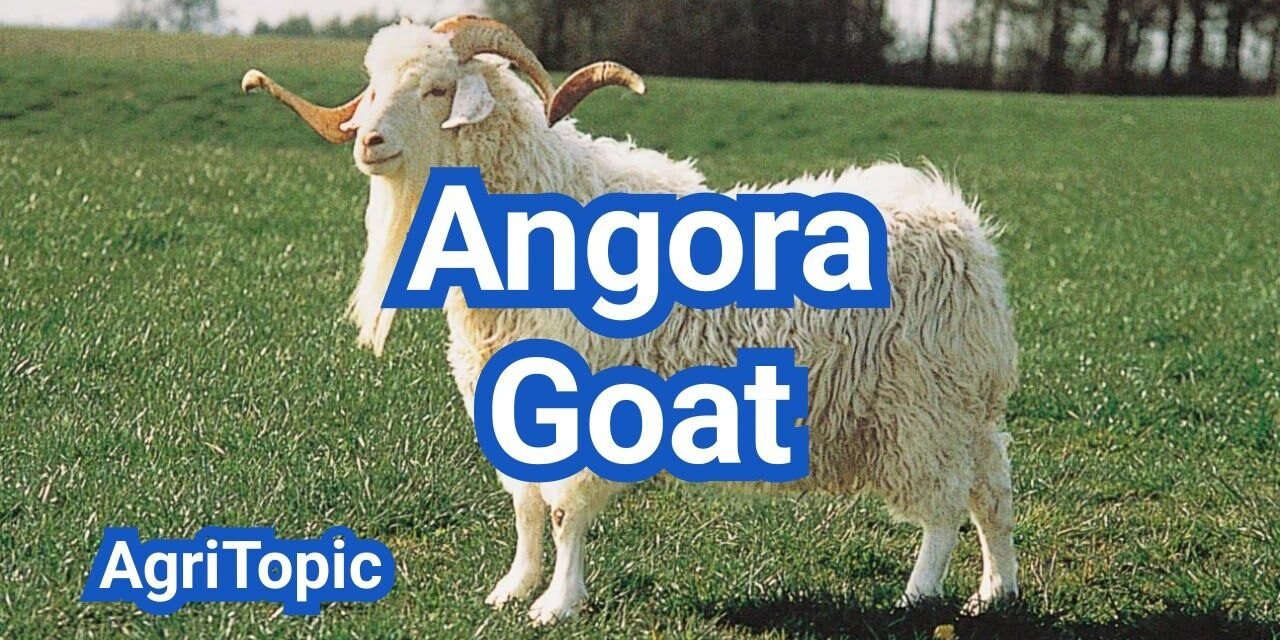
The Angora Goat stands as a premier choice for sustainable agriculture across the United States. These unique animals are prized for their ability to produce luxurious mohair, a durable and lustrous fiber that remains in high demand globally.
Whether you are a novice farmer or an experienced producer, understanding the nuances of this specific fiber goat breed is essential for success. Our comprehensive fiber goat breed guide provides the insights needed to manage your herd effectively.
From initial farm setup to advanced breeding techniques, we cover the critical steps for raising these animals. You will discover how to optimize angora goat mohair yields while ensuring the health and well-being of your livestock. This resource serves as your ultimate roadmap for navigating the rewarding world of mohair production.
Key Takeaways
- Learn the fundamentals of sustainable fiber farming in the United States.
- Identify the unique characteristics that define this high-value breed.
- Master essential management practices for healthy, productive herds.
- Explore effective strategies for marketing your high-quality fleece.
- Gain confidence in your ability to start and maintain a successful farm.
What is an Angora Goat?
The Angora Goat developed around Ankara, historically called Angora, in modern Turkey and reached the United States in the nineteenth century. The American industry became especially important in Texas, where dry, rugged rangeland and abundant browse supported commercial herds; Texas remains closely associated with U.S. mohair production, marketing, and breed organizations Texas State Historical Association’s industry history.
Understanding the Angora Goat Breed
Known for their luxurious fleece, Angora goats are among the most distinct breeds of livestock found on modern farms. These animals are widely recognized as the most prolific fiber-producing animals in the world, providing the high-quality mohair that is prized by artisans and textile mills alike.
Origins and Historical Significance
The angora goat origin traces back to the Ankara region of Turkey, formerly known as Angora. This Turkish breed has been carefully cultivated for centuries to produce the soft, lustrous fiber known as mohair.
Over time, these goats were exported to various countries of the the angora goat, including South Africa and the United States. Today, they remain a staple in fiber production, valued for their historical resilience and the quality of their coat.
Physical Characteristics and Breed Standards
When evaluating angora goat characteristics, the most striking feature is their long, curly goat locks that hang in ringlets. These animals are generally smaller than many common goats, yet they possess a sturdy frame built for fiber production.
Key breed characteristics include:
- Angora goat size: Typically ranges from 70 to 150 pounds depending on gender.
- Angora goat weight: Mature angora females usually weigh less than the bucks, often called an angora bok.
- Head and body characteristics: They feature drooping ears and a broad, strong back.
Prospective owners should note that the angora goat lifespan generally ranges from 10 to 15 years with proper care. Maintaining these standards ensures that your herd remains healthy and productive throughout their lives.
Temperament and Herd Behavior
The angora goat temperament is famously docile and inquisitive, making them a joy to manage on a small-scale farm. Unlike more aggressive goat breeds: angora goats prefer to stay close to their herd, exhibiting strong social bonds.
Because they are herd-oriented, it is best to keep at least two or three animals together to prevent stress. By understanding these angora goat facts, you can create a calm environment that supports both the animal’s well-being and the quality of their fleece.
The Role of Angora Goats in Sustainable Fiber Farming

Sustainable fiber farming often begins with choosing the right livestock, and the Angora goat stands out as a top contender for modern producers. These animals serve a dual purpose by providing a renewable source of high-quality mohair while maintaining a relatively low environmental footprint. Understanding the angora goat purpose is key to building a resilient and diverse agricultural operation that thrives in today’s market.
Why Angora Goats are Essential for Small-Scale Agriculture
For those interested in Mohair goat farming USA, these animals offer a unique opportunity to maximize productivity on limited acreage. As an angora goats: a small-scale agriculture alternative, they require less space than cattle while providing a high-value commodity that is always in demand by artisans. Their manageable size and docile nature make them an excellent choice for family-run farms looking to diversify their income streams.
Small-scale producers benefit from the fact that mohair is a durable, versatile fiber. By focusing on quality over quantity, farmers can command premium prices for their clip. This approach ensures that even a small herd can contribute significantly to the overall financial health of the farm.
Comparing Angora Goats to Cashmere and Other Fiber Breeds
When evaluating the best fiber goat breeds, it is helpful to look at the specific characteristics of each animal. The angora goat vs cashmere goat debate often centers on the volume of fiber produced and the ease of harvesting. While both are valuable, the mohair goat is generally recognized for its consistent, high-yield shearing cycles compared to other breeds.
The following table highlights the key differences between common fiber-producing animals to help you make an informed decision for your farm.
| Breed | Primary Fiber | Shearing Frequency | Maintenance Level |
|---|---|---|---|
| Angora Goat | Mohair | Twice per year | Moderate |
| Cashmere Goat | Cashmere | Once per year | High |
| Fiber Sheep | Wool | Once per year | Low to Moderate |
When considering angora goats & sheep, many farmers find that goats offer a more specialized niche. While sheep wool is a staple, mohair is often categorized as a luxury fiber. This distinction allows producers to target specific high-end markets that value the luster and strength of mohair.
Environmental Impact and Grazing Benefits
Effective goat farming practices leverage the natural browsing habits of these animals to improve land health. Unlike grazers that prefer short grass, Angora goats are natural browsers that target woody plants, weeds, and brush. This behavior helps manage pasture overgrowth and reduces the need for chemical herbicides or mechanical clearing.
By integrating these goats into a rotational grazing system, farmers can improve soil fertility and plant diversity. Their light hoof impact also helps prevent soil compaction, which is a common issue with heavier livestock. Ultimately, the presence of these animals creates a more balanced and sustainable fiber farming ecosystem that benefits both the land and the producer.
Selecting the Right Angora Goat for Your Farm
Building a thriving fiber farm begins with the careful selection of your foundation stock. Whether you are a hobbyist or a commercial producer, the quality of your initial animals dictates the long-term success of your operation. Investing time in research now will save you significant effort in the future.
Evaluating Breed Traits and Fleece Quality
When assessing Angora Goat breed traits, focus primarily on the fleece. A high-quality animal should exhibit a uniform, dense coat with a distinct, bright luster. You should look for a soft handle, which indicates the fiber will be comfortable for spinning and weaving.
Always inspect the animal for structural soundness and overall health. A healthy goat will have bright eyes, a clean coat, and a sturdy frame. Avoid animals that show signs of lethargy or poor body condition, as these traits can be passed down to offspring.
“The true value of an Angora goat is found in the consistency of its fleece across the entire body. Look for animals that maintain their crimp and luster from the neck down to the britch.”
Distinguishing Between White, Colored, and Miniature Angora Goats
The market offers a wide variety of options for the modern fiber artist. While the traditional white angora goat remains the industry standard for its dyeability, many breeders are now exploring colored angora goats. These include the rare brown angora goat and the striking red angora goat, which provide natural hues for unique textile projects.
For those with limited space, miniature angora goats or a mini angora goat are excellent alternatives. These smaller animals are easier to handle and require less pasture than standard breeds. You may also encounter specialized types like Navajo angora goats or even crosses involving a pygmy angora goat, each offering distinct fiber characteristics.
| Goat Type | Primary Use | Size Category | Fleece Color |
|---|---|---|---|
| Standard White | Commercial Mohair | Large | White |
| Colored Angora | Artisan Textiles | Medium | Brown/Red/Grey |
| Miniature | Small-Scale/Pet | Small | Various |
Navigating the Market: Where to Find Angora Goats for Sale
Finding a reputable angora goat for sale requires networking within the fiber community. Start by contacting local breed associations to find breeders who prioritize health and genetic diversity. Angora goat prices can vary significantly based on the animal’s pedigree, age, and fleece quality.
When inquiring about an angora goat price, always ask for documentation regarding the animal’s health history. A fair angora goat cost reflects the investment the breeder has made in proper nutrition and veterinary care. Be wary of deals that seem too good to be true, as they often come with hidden health challenges.
Preparing Your Farm for Angora Goats

Successful angora goat farming begins with creating a secure and comfortable environment for your new herd. When you are raising Angora goats for beginners, the initial investment in infrastructure pays off by ensuring the long-term health and productivity of your animals.
Essential Housing and Shelter Requirements
Angora goats are notably more sensitive to cold and damp conditions than many other livestock breeds. Because their luxurious fleece can lose its insulating properties when wet, providing a dry, draft-free shelter is non-negotiable.
Your barn or shed should offer enough space for the goats to move freely while staying protected from harsh winds and rain. Proper ventilation is equally important to prevent respiratory issues caused by moisture buildup inside the structure.
Fencing and Predator Protection Strategies
Keeping your angora goats safe requires a robust fencing system that serves two purposes: containment and protection. Woven wire fencing is generally the most effective choice, as it prevents the goats from getting their heads stuck and keeps predators like coyotes or stray dogs at bay.
Consider adding an electric strand along the top or bottom of your fence line for extra security. Predator protection is a critical aspect of farm management, and many owners also utilize livestock guardian dogs or donkeys to deter threats effectively.
Setting Up Equipment for Fiber Production
When you are raising angora goats, having the right tools on hand simplifies daily maintenance and seasonal tasks. You will need a dedicated area for grooming and health checks, which should be clean and well-lit to allow for easy inspection of the fleece.
Investing in high-quality shearing equipment is essential for maintaining fiber integrity during harvest. Keep your tools organized and accessible to ensure that the process remains stress-free for both you and your herd.
Nutritional Requirements for Optimal Mohair Growth
Proper nutrition serves as the foundation for producing high-quality mohair and maintaining a healthy herd. When your animals receive the right balance of nutrients, they can focus their energy on growing long, lustrous, and strong fibers. Consistent access to clean water and high-quality feed is essential for every stage of their development.
Developing a Balanced Angora Goat Feeding Guide
Creating a reliable angora goat feeding guide starts with understanding that these animals are ruminants. They require a steady supply of high-quality grass hay or legume hay to maintain proper rumen function. During winter months or periods of limited grazing, supplemental feeding becomes necessary to prevent weight loss and fiber thinning.
A balanced diet should include a mix of forage and carefully selected grains. While forage provides the bulk of their energy, grains can help meet the higher protein demands of lactating does or growing kids. Always introduce new feed types slowly to avoid digestive upset and ensure the herd remains healthy.
The Importance of Minerals and Supplements
Minerals play a critical role in the overall health and fiber quality of your herd. You must provide a loose mineral mix specifically formulated for goats to ensure they receive adequate levels of selenium, zinc, and iodine. These elements support immune function and help maintain the structural integrity of the mohair.
One vital rule to remember is that copper is toxic to fiber-producing goats. You must strictly avoid using grain formulas or mineral blocks designed for cattle or sheep, as these often contain high levels of copper. Always check labels carefully to ensure your chosen supplements are safe for your specific angora goat diet.
Managing Pasture Rotation for Fiber Health
Implementing a structured pasture rotation plan is a highly effective way to manage your herd’s health. By moving goats between different paddocks, you provide them with fresh, nutrient-dense forage while naturally breaking the life cycle of internal parasites. This practice keeps the animals in peak condition, which directly translates to better fiber growth.
Healthy pastures also reduce the need for expensive supplemental feed. When goats graze on diverse vegetation, they naturally consume a wider range of vitamins and minerals. This holistic approach to land management ensures that your farm remains productive and your goats stay vibrant throughout the entire year.
Comprehensive Angora Goat Health Management

Effective angora goat health management requires a blend of keen observation and consistent medical care. By prioritizing preventative measures, you ensure that your herd remains both productive and comfortable throughout their lives. A proactive approach is the most reliable way to avoid long-term health complications on your farm.
Common Health Issues and Preventative Care
Fiber goats are susceptible to specific ailments, particularly those related to their digestive systems and respiratory health. Clean, dry housing is your first line of defense against pneumonia and hoof rot. Ensuring that your goats have access to fresh water and high-quality forage significantly reduces the risk of metabolic disorders.
Regular grooming is not just for fiber quality; it is a vital health check. By handling your goats daily, you can quickly identify skin issues, external parasites, or minor injuries before they escalate. Consistent hygiene practices are essential for maintaining a thriving, disease-free herd.
Vaccination Schedules and Parasite Control
A structured vaccination program is non-negotiable for any serious breeder. Most producers follow a standard protocol for Clostridium perfringens types C and D, along with Tetanus (CD&T). Consult with your local veterinarian to tailor a schedule that addresses specific regional threats.
Parasite control is equally critical, especially in humid climates where internal worms thrive. Implementing a rotational grazing system helps break the life cycle of parasites, keeping your pastures cleaner. Use the FAMACHA scoring system to monitor anemia levels, which allows you to treat only the animals that truly need intervention rather than relying on blanket deworming.
Recognizing Signs of Stress and Illness in Fiber Goats
Goats are masters at hiding illness, so you must learn to read their subtle behavioral cues. A healthy goat is typically alert, active, and maintains a steady appetite. If you notice an animal standing apart from the herd, grinding its teeth, or showing a lack of interest in food, it is likely experiencing distress.
Physical indicators such as a dull coat, abnormal discharge, or a change in manure consistency are clear warning signs. Early detection is the most important factor in successful treatment outcomes. By staying vigilant and maintaining detailed health records, you can provide the high level of care necessary for long-term success in angora goat health management.
Mastering the Art of Angora Goat Shearing
Shearing is a fundamental skill that directly impacts the quality of your harvest and the well-being of your animals. Because these goats grow their coats continuously, angora goat shearing must be performed twice a year to prevent matting and ensure the animal remains comfortable throughout the changing seasons.
Tools and Techniques for Professional Shearing
To achieve a clean and efficient clip, you need the right equipment. Investing in high-quality tools reduces stress for both the handler and the goat, leading to a much smoother process.
- Electric clippers designed specifically for fiber animals.
- A sturdy shearing stand to keep the goat elevated and secure.
- Sharp hand shears for trimming around delicate areas like the face and legs.
- A clean, non-slip mat to catch the fleece as it falls.
When you follow professional angora goat shearing tips, you learn to maintain a steady hand and keep the blades flat against the skin. This prevents accidental nicks and ensures the mohair is removed in long, uniform staples.
Step-by-Step Guide to Shearing Your Angora Goats
Start by securing the goat on the stand, ensuring it is calm and comfortable. Begin by shearing the belly first, as this area is often the most difficult to reach once the animal is positioned on its side.
Work systematically from the neck down to the tail, keeping the skin taut to avoid cuts. Always move the clippers in the direction of hair growth to maintain the integrity of the fiber length.
Once the main body is complete, carefully trim the legs and the head. Take your time during this phase, as these areas are sensitive and require extra precision to avoid injury.
Handling and Storing Raw Mohair Fleece
Proper post-shearing care is just as important as the clipping itself. Immediately after removal, skirt the fleece by removing any vegetable matter, stained locks, or short second cuts.
Store your clean mohair in breathable mesh bags or paper sacks rather than plastic. Plastic traps moisture, which can lead to mold and ruin the quality of your valuable fiber harvest.
| Tool Name | Primary Function | Maintenance Requirement |
|---|---|---|
| Electric Clippers | Main body shearing | Oil blades every 15 minutes |
| Hand Shears | Detail work/legs | Sharpen with whetstone |
| Shearing Stand | Animal restraint | Check bolts for stability |
| Sorting Table | Cleaning/skirting | Keep surface dust-free |
Mohair Production and Processing

Once you have harvested your clip, the journey from raw fleece to finished product begins. Proper handling ensures that the lustrous fibre retains its natural beauty and strength throughout the manufacturing cycle. By focusing on quality control, you can maximize the market value of your harvest.
Understanding Mohair Grades and Quality Standards
The grading of angora goat fleece is primarily determined by the fineness of the hair, measured in microns. Finer fibers are generally softer and command higher prices in the textile industry. Producers often categorize their clip into specific grades, such as Kid, Yearling, and Adult, based on the age of the animal and the diameter of the locks.
Consistency is vital when sorting your mohair. By separating coarse hair from the finer locks, you ensure that the final yarn maintains a uniform texture. This attention to detail is a hallmark of professional mohair production.
Cleaning and Preparing Fiber for Spinning
Before the fiber can be spun, it must be thoroughly cleaned to remove vegetable matter and natural oils. Washing the angora goat fiber in warm water with a gentle detergent is the first step in this delicate process. You must be careful not to felt the fibers during this stage, as agitation can ruin the quality of the mohair from goats.
Once dry, the fiber undergoes carding to align the locks and remove any remaining debris. This preparation makes the goat mohair much easier to spin into a consistent, high-quality yarn. Proper carding is essential for creating a smooth, durable thread that artisans love to work with.
Value-Added Products: From Raw Fleece to Finished Goods
Transforming raw materials into angora goat products is the most effective way to increase your farm’s profitability. Instead of selling raw fleeces, many farmers choose to create finished goods like scarves, shawls, and blankets. These items highlight the unique qualities of angora goat wool, such as its incredible sheen and insulating properties.
Developing a niche for your handmade goods allows you to capture the full value of your hard work. Whether you sell directly to consumers or through local boutiques, high-quality finished items turn your raw harvest into a sustainable business venture. Investing time in processing is truly the key to long-term success in the fiber industry.
Breeding Programs for Quality Fiber Improvement
Successful fiber production relies heavily on the quality of your angora goat breeding programs. By making intentional choices about which animals to pair, you can significantly enhance the fineness, luster, and overall weight of the mohair your herd produces each year.
Selecting Breeding Stock for Desirable Traits
When evaluating potential parents, focus on traits that directly impact the marketability of your fiber. A high-quality angora ram should exhibit excellent fleece density and a uniform crimp pattern across his entire body.
Consider these essential traits when selecting your breeding stock:
- Fleece Fineness: Aim for a consistent micron count that meets industry standards.
- Luster: Look for a natural, healthy shine that indicates superior fiber health.
- Temperament: Docile animals are much easier to handle during the frequent shearing process.
Managing the Breeding Season and Kidding
Proper timing is vital for a successful kidding season. Most breeders align their schedule so that kids arrive during warmer months, which reduces the risk of cold-related health issues.
“The secret to a thriving herd lies in the careful observation of your animals during the critical weeks leading up to birth.”
While some farmers keep milk goats on the property to provide supplemental colostrum, most Angora does are excellent mothers. Ensure your does have access to a clean, dry, and draft-free environment as they approach their due date to minimize stress.
Caring for Kids and Ensuring Healthy Growth
The first few weeks of an angora goat baby‘s life are the most important for long-term development. Proper nutrition during this stage sets the foundation for a lifetime of high-quality fiber production.
Follow these steps to ensure your kids grow strong and healthy:
- Colostrum Intake: Ensure the kid nurses within the first hour of life to receive vital antibodies.
- Weight Monitoring: Regularly weigh your kids to track their growth progress and identify potential health concerns early.
- Socialization: Gentle handling from a young age creates a calm and manageable adult animal.
By prioritizing these management practices, you create a sustainable cycle of improvement. Consistent attention to genetic selection and early-life care will yield a more profitable and resilient herd over time.
Navigating the Mohair Market in the United States

Success in mohair goat farming USA depends on your ability to navigate market fluctuations and build strong industry connections. Understanding the economic landscape is essential for any producer aiming to turn their fiber harvest into a sustainable income stream. By staying informed about current trends, you can make better business decisions for your herd.
Current Mohair Market Prices and Economic Outlook
The mohair market prices USA are influenced by global demand, fiber quality, and the specific micron count of your clip. Producers who focus on high-quality, clean fiber often see better returns in the current economy. It is important to track these trends regularly, as angora goat prices can shift based on textile industry needs.
Many angora goat breeders find that diversifying their product line helps stabilize their income during slower market cycles. Whether you are selling raw fleece or processed roving, understanding the value of your product is key. The outlook for angora goat farming in the united states remains positive for those who prioritize consistent quality and ethical production standards.
Connecting with the American Angora Goat Breeder’s Association
Networking is a vital component of success for anyone raising angora goats in the united states. The American Angora Goat Breeder’s Association serves as a primary hub for education, registration, and community support. Engaging with this angora goat association allows you to stay updated on industry best practices and legislative changes.
Membership provides access to a wealth of resources that can help you improve your herd genetics over time. By connecting with fellow angora goat in the us enthusiasts, you gain insights that are not available through general research. These relationships often lead to collaborative marketing efforts and shared knowledge regarding herd health.
Marketing Your Fiber Products to Artisans and Mills
Direct marketing is a powerful tool for increasing your profit margins. Many small-scale producers find success by selling directly to local artisans who value the unique characteristics of hand-spun mohair. Participating in fiber festivals and local markets helps you build a loyal customer base that appreciates the story behind your product.
For larger clips, establishing a relationship with regional mills can provide a consistent outlet for your fiber. It is helpful to understand the specific requirements of these mills, such as cleanliness and staple length, to ensure your product meets their standards. The following table outlines common channels for selling your fiber products.
| Market Channel | Target Audience | Pricing Potential |
|---|---|---|
| Local Fiber Festivals | Hand-spinners and Crafters | High (Premium) |
| Online Marketplaces | Global Fiber Enthusiasts | Moderate to High |
| Commercial Mills | Textile Manufacturers | Stable (Volume-based) |
| Direct Farm Sales | Local Community | Competitive |
Common Challenges in Raising Angora Goats
While the rewards of fiber farming are great, raising mohair goats presents specific challenges that every owner must address. Whether you are just starting out or looking to refine your management style, understanding these hurdles is essential for long-term success. Raising Angora goats for beginners often involves a steep learning curve regarding daily maintenance and environmental protection.
Managing Fiber Contamination and Vegetable Matter
One of the most persistent issues when raising angora goats is keeping the fleece clean. Because these animals have long, lustrous locks, they act like magnets for burrs, hay, and straw. This vegetable matter can significantly lower the market value of your clip if it becomes deeply embedded.
To mitigate this, consider these proactive strategies:
- Use elevated hay feeders to prevent goats from pulling hay over their backs.
- Maintain clean, well-managed pastures to reduce the presence of invasive weeds.
- Implement a regular grooming schedule to remove debris before it mats into the fiber.
Dealing with Seasonal Weather Extremes
Angora goats are particularly sensitive to moisture and extreme cold, especially immediately after shearing. Their lack of natural lanolin compared to sheep makes them vulnerable to hypothermia if they get wet in freezing temperatures. Providing adequate, dry shelter is not just a recommendation; it is a critical requirement for herd survival.
“The health of the fiber is a direct reflection of the animal’s comfort. If the goat is stressed by the elements, the mohair will show a break in the staple, reducing its strength and quality.”
During hot summer months, heat stress becomes a primary concern. Ensure your herd has access to shade and plenty of fresh, cool water to maintain their metabolic health and fiber growth.
Balancing Meat and Fiber Production Goals
Many farmers explore the potential of angora goat meat as a secondary income stream. However, it is important to recognize that the breed is primarily developed for its luxurious fleece. When goats: raising angora goats for dual purposes, you must prioritize the animal’s nutritional needs to support both growth and fiber production.
Consider the following comparison when evaluating your farm goals:
| Goal | Management Focus | Primary Outcome |
|---|---|---|
| Fiber Focus | High-protein diet, minimal stress | Premium mohair quality |
| Meat Focus | Growth-oriented nutrition | Increased carcass weight |
| Dual Purpose | Balanced mineral intake | Moderate fiber and meat yield |
Ultimately, weighing the angora goat pros and cons will help you decide if a dual-purpose approach fits your specific farm infrastructure. By anticipating these common challenges, you can develop effective solutions that keep your operation running smoothly and profitably.
Best Practices for Daily Angora Goat Care
Daily management routines are the backbone of a thriving and productive fiber operation. When you commit to a consistent schedule, you ensure that every Angora Goat in your care remains healthy and comfortable. These small, repeated actions prevent long-term issues and keep your fiber production at its peak.
Routine Grooming and Maintenance Tips
Proper grooming is essential for maintaining the integrity of the fleece. You should inspect your animals daily for burrs, twigs, or matted areas that could damage the delicate mohair. Implementing effective mohair goat care tips, such as light brushing, helps keep the coat clean and free of debris.
- Check hooves regularly to prevent rot or overgrowth.
- Monitor the eyes and nose for any signs of discharge.
- Keep the bedding area dry to protect the fiber from moisture damage.
Building a Relationship with Your Herd
The Angora Goat is an intelligent and curious animal that thrives on positive human interaction. Spending time in the pasture allows you to observe natural behaviors and identify subtle changes in temperament. Many farmers find that angora goats: why every herd needs a daisy!—a term for a friendly, lead goat—helps keep the rest of the group calm and manageable.
Building trust makes every goat easier to handle during shearing or medical checkups. When you approach your herd with patience, they become more responsive to your presence. This bond is a vital component of successful angora goat care.
Record Keeping for Herd Improvement
Meticulous record-keeping is the secret to long-term success in fiber farming. By tracking individual performance, you can make informed decisions about which animals to keep and which to breed. Consistent data collection allows you to monitor health trends and fiber growth over several seasons.
Your records should include specific details to ensure you are meeting your production goals. Consider maintaining a log that tracks the following information for every goat in your herd:
- Breeding dates and kidding history.
- Annual fleece weights and quality grades.
- Medical treatments, vaccinations, and parasite control dates.
By focusing on these daily habits, you provide the best possible angora goat care. These practices ensure that your angora goats remain productive, healthy, and happy members of your farm for years to come.
At The End of: Angora Goat Guide
Raising Angora goats represents a rewarding journey that blends animal husbandry with the creative craft of fiber production. This path requires patience, but the results offer immense personal satisfaction for small-scale farmers across the United States.
You now possess the foundational knowledge to manage a healthy herd and harvest high-quality mohair. Success relies on your commitment to daily care and your ability to adapt to the unique needs of these animals.
Engage with the broader fiber community to refine your techniques and stay updated on industry trends. Organizations like the American Angora Goat Breeder’s Association provide excellent resources for networking and professional growth.
Your dedication ensures that your goats remain productive and comfortable throughout their lives. Embrace the learning process as you transform raw fleece into beautiful, finished goods. Your farm will thrive as you continue to prioritize animal welfare and fiber excellence.
FAQ
What fiber comes from an Angora Goat?
The fiber from an Angora Goat is called mohair. It is distinct from rabbit-derived Angora fiber and from cashmere, and its commercial identity depends on qualities such as fiber diameter, staple length, clean yield, luster, style, character, and the proportion of undesirable medullated fibers peer-reviewed overview indexed by PubMed.
How often should an Angora Goat be sheared?
An Angora Goat is normally sheared twice a year, commonly in early spring and early fall, because mohair grows continuously and a roughly six-month clip provides useful staple length. Exact dates should be adjusted for local weather, kidding and breeding schedules, buyer specifications, and the farm’s ability to protect shorn animals.
Can an Angora Goat live in a cold climate?
An Angora Goat can live in colder U.S. regions when management compensates for wet cold, wind, and the loss of insulation after shearing. Provide deep dry bedding, ventilation without drafts, sufficient nutrition, weather-aware fall shearing, and space for the entire herd to shelter; northern suitability depends more on facilities and management than on a simple temperature cutoff Cooperative Extension’s fiber-goat guidance.
Does a colored Angora Goat produce real mohair?
Yes, a colored Angora Goat produces genuine mohair, provided it has the breed and fleece characteristics expected of colored Angoras. Natural shades can be attractive to hand-spinners and artists, but breeders should register and market animals through the appropriate organization, explain pedigree accurately, and prevent colored fibers from contaminating white lots intended for uniform commercial dyeing.
Does an Angora Goat need official identification in the United States?
An Angora Goat may need USDA-approved identification when ownership changes, when entering interstate commerce, or in other covered movements, with exemptions and state-specific rules applying in some situations. Producers should obtain a flock or premises ID when required, preserve purchase and movement records, and confirm current requirements with USDA APHIS and the state veterinarian before selling, showing, or transporting animals USDA APHIS sheep and goat identification guidance.
Where did the angora goat breed originate and what is its primary purpose?
The angora goat origin traces back to the Ankara region of Turkey, formerly known as Angora. This turkish breed was developed centuries ago specifically for mohair production. Unlike common goats or milk goats, the primary angora goat purpose is to provide a lustrous fibre that is highly valued in the textile industry for its strength, sheen, and affinity for dyes.
What is the typical angora goat lifespan and average angora goat size?
A well-cared-for angora goat typically has a lifespan of 10 to 12 years. In terms of angora goat weight and size, an adult angora ram can weigh between 180 and 225 pounds, while angora females generally range from 75 to 110 pounds. Their head and body characteristics include a straight or slightly concave profile and distinctive long haired goat locks that cover the entire body.
How often does an angora goat require shearing and what are some angora goat shearing tips?
Because they are the most prolific fiber-producing animals, angora goat shearing must occur twice a year, usually in the spring and fall. This prevents the angora goat wool (mohair) from becoming too heavy or matted. To maintain the value of the angora goat fleece, it is essential to keep the animals on clean bedding before shearing to avoid “vegetable matter” contamination in the curly goat locks.
What should be included in a professional angora goat feeding guide?
A proper angora goat diet consists of high-quality hay, fresh water, and access to browse, as they are excellent at managing rough pasture. A critical part of angora goat health management is ensuring they receive specific minerals; however, you must avoid copper-heavy supplements. Copper is toxic to these fiber goats. Always use a formula designed specifically for mohair goat farming or sheep, rather than general cattle feed.
What is the difference between an angora goat vs cashmere goat?
While both are considered the best fiber goat breeds, they differ in how they produce fiber. An angora goat produces mohair from its primary coat, which grows continuously throughout the year. In contrast, a cashmere goat produces a fine downy undercoat that is harvested once a year, typically by combing during the molting season. Angora goats generally yield significantly more fiber per animal than cashmere breeds.
Do angora goats come in different colors and sizes?
While the white angora goat is the standard for commercial mohair from goats, there are several other varieties. Colored angora goats include the brown angora goat, red angora goat, and even silver or black. You may also find miniature angora goats (sometimes called a mini angora goat or pygmy angora goat cross) which are ideal for smaller homesteads. Additionally, the navajo angora goats represent a specific regional heritage strain in the Southwest.
What is the current angora goat price and where can I find them for sale?
The angora goat cost varies depending on the animal’s age, pedigree, and fleece quality. An angora goat baby (kid) might start at $200, while a high-quality, registered angora ram can exceed $600. For the best results, prospective owners should check with the American Angora Goat Breeder’s Association (AAGBA) to find reputable angora goat breeders and current angora goat prices in the United States.
Why are angora goats considered a good choice for sustainable fiber farming?
Raising angora goats is a cornerstone of sustainable fiber farming because they efficiently convert brush and weeds into a high-value, renewable resource. Their ability to improve land through targeted grazing makes angora goat farming in the united states an environmentally friendly option for small-scale agriculture. They are often described as angora goats: a small-scale agriculture alternative that provides both economic and ecological benefits.
What is the general angora goat temperament?
The angora goat temperament is notably docile, relaxed, and friendly. This makes raising angora goats for beginners much easier compared to more aggressive or flighty breeds of livestock. They are curious animals that bond well with their handlers, leading many enthusiasts to say angora goats: why every herd needs a daisy! because of their charming and individual personalities.
How can I stay informed about mohair market prices USA?
Producers of goat mohair should stay connected with national fiber pools and organizations like the American Angora Goat Breeder’s Association. Mohair market prices fluctuate based on global demand, but high-quality, fine-grade kid hair consistently fetches the highest premium in the mohair goat industry.
Conclusion of: Angora Fiber Goat Breed
The Angora Goat is one of the world’s best-known fiber animals, valued for a long, lustrous fleece rather than high milk output or rapid meat gain. For U.S. farmers, homesteaders, fiber artists, and 4-H families, success with this breed depends on protecting freshly shorn animals, maintaining strong nutrition, controlling parasites, and securing a reliable market for mohair before expanding the herd Texas A&M AgriLife’s production resources.
An Angora Goat is a specialized domestic goat raised primarily to produce mohair, a smooth, durable natural fiber with high luster and strong dye acceptance. Most U.S. herds are shorn twice a year, and the best animals combine a dense, uniform fleece with sound legs, useful body capacity, reproductive fitness, and the ability to thrive under local grazing conditions Texas A&M’s introductory Angora guide.
What are the breed’s main characteristics?
A sound Angora Goat has a strong frame, broad chest, deep body, level back, sturdy legs, well-formed hooves, and horns that curve away from the neck rather than interfering with movement or shearing. Fleece should be dense, bright, even in length and fineness, soft to the touch, and largely free of kemp or other coarse medullated fibers that lower processing value AAGBA breed standard.
The Angora Goat is generally quieter and more relaxed than many commercial meat or cashmere-type goats, although individual temperament still reflects genetics, handling, sex, and environment. Buyers should prioritize healthy feet, correct jaws, functional udders or reproductive organs, and calm, manageable behavior over fleece appearance alone, because structural and reproductive weaknesses can reduce both welfare and lifetime productivity University of California Small Farms Network.
What is mohair, and how is it different from Angora fiber?
The Angora Goat produces mohair, not “Angora wool.” Mohair is a protein fiber known for sheen, strength, elasticity, durability, and its ability to take vivid dyes; true Angora fiber comes from Angora rabbits, while cashmere is a fine seasonal undercoat collected from cashmere-producing goats. Keeping these names separate helps farmers label fiber accurately and helps buyers understand what they are purchasing Mohair Council of America.
Mohair from an Angora Goat can be used in apparel, hand-spun yarn, blankets, upholstery, carpets, accessories, doll hair, and specialty textiles. Its smooth surface creates characteristic luster and reduces the strong felting tendency associated with many wools, while its durability allows it to perform in both luxury clothing and hard-wearing furnishings Mohair 101 from the Mohair Council of America.
How much mohair does an Angora Goat produce?
A productive Angora Goat may yield roughly 5.3 pounds of mohair per shearing on average under U.S. conditions, with two shearings commonly scheduled each year. Actual output varies widely with age, sex, genetics, body size, health, nutrition, staple length, pregnancy and lactation demands, weather, and the amount removed during skirting; younger animals usually produce finer fiber, while mature animals often produce heavier but coarser clips Oklahoma State University’s breed profile.
What determines mohair quality and value?
The value of an Angora Goat fleece depends on fineness, uniformity, staple length, clean yield, luster, style, character, strength, color, and freedom from kemp, stains, second cuts, manure, hay, burrs, and other vegetable matter. Fine kid mohair is commonly favored for soft apparel, while stronger adult fiber may suit durable yarns, upholstery, or other products; market specifications should guide breeding and sorting decisions UMass Extension’s shearing guidance.
When and how should the goats be sheared?
An Angora Goat is usually shorn at about six-month intervals, often in spring before kidding and in fall before breeding, but local climate, fleece growth, market requirements, and access to post-shearing shelter should determine the exact dates. Animals must be dry, the shearing surface must be clean, and high-quality groups should be handled before coarser or contaminated groups to protect lot consistency Meat & Livestock Australia’s technical mohair module.
- Confirm a dependable shearer and backup date before the fleece becomes overgrown.
- Watch the forecast and prepare a dry, draft-protected recovery area.
- Withhold feed only as advised by the shearer and veterinarian; never restrict water unnecessarily.
- Shear clean, fine-fleeced groups first and coarse or contaminated animals last.
- Use smooth restraint and sharp, well-maintained equipment.
- Avoid second cuts because short pieces reduce usable staple length.
- Treat any nick promptly and monitor animals for chilling or abnormal behavior.
- Label each fleece or lot by animal, age class, date, and quality group.
How should mohair be sorted and stored?
After an Angora Goat is shorn, place the fleece on a clean surface and remove stained locks, manure tags, heavy vegetable matter, coarse fibers, and short second cuts. Keep kid, yearling, and adult fiber separate, record the raw fleece weight, and store dry mohair in a breathable container in a cool, clean place; damp or tightly sealed fiber can develop odor, mildew, discoloration, or permanent quality loss Oregon State University’s fiber-goat guide.
Do Angora goats come in colors other than white?
The traditional registered Angora Goat is white because white mohair can be dyed consistently across a broad color range, but naturally colored herds also exist in black, brown, red, silver, gray, and fading patterns. Colored animals can serve hand-spinners and niche textile buyers who value undyed shades, yet producers should understand the applicable registry, disclose lineage accurately, and keep colored fiber separate from white commercial clips.
Which U.S. climates suit the breed?
The Angora Goat is strongly associated with the dry, brushy Edwards Plateau and similar rangelands, but the breed can be raised in other U.S. regions when shelter, forage, parasite control, and shearing dates are adapted locally. Wet cold immediately after shearing is a major danger because the protective fleece has been removed; a dry, ventilated refuge and adequate feed are essential until enough coat regrows University of California goat-care practices.
An Angora Goat in a hot or humid state also needs shade, unlimited clean water, airflow, lower-stress handling, and regular observation for rapid breathing, open-mouth panting, weakness, or reduced intake. Schedule shearing, transport, hoof work, and other handling during cooler hours, and avoid assuming that a goat’s general reputation for hardiness makes every fiber breed equally heat tolerant South Dakota State University heat-stress guidance.
What housing and fencing are required?
An Angora Goat needs a clean, dry, well-ventilated shelter that blocks rain and prevailing wind without trapping ammonia or moisture. Fencing must account for horns: openings that allow the head through but not back out can cause entrapment, while poorly monitored electric netting can create additional risk. Provide safe gates, a quarantine pen, a kidding area, and a handling space for exams, hoof trimming, vaccination, and shearing Oregon State University’s small-ruminant setup guide.
Predation can erase the return from an Angora Goat enterprise, especially when kids are born on open range. Combine a secure perimeter with night penning where practical, prompt carcass removal, strategic kidding locations, and a compatible guardian animal selected for local predators; guardian dogs add purchase, feed, veterinary, training, and fencing costs, so they belong in the enterprise budget rather than being treated as free protection Oklahoma State University grazing and predator guidance.
What should an Angora Goat eat?
An Angora Goat should receive a forage-based diet matched to body weight, age, pregnancy, lactation, fiber growth, weather, and pasture quality. Good browse, pasture, or hay supplies the foundation, while supplements should correct a measured energy or protein shortfall rather than replace forage; sudden grain increases can disrupt the rumen, so ration changes should be gradual and developed with an Extension educator, nutritionist, or veterinarian Penn State Extension goat-nutrition resources.
An Angora Goat also needs constant clean water and a loose mineral formulated for goats and appropriate to regional forage and water chemistry. A sheep mineral may provide too little copper for goats, while adding copper, selenium, sulfur, or other nutrients without testing can create imbalances or toxicity; use forage analysis, body-condition scoring, and professional advice instead of guessing from fleece appearance alone Penn State Extension’s goat feeding guidance.
How should pasture and browse be managed?
The Angora Goat prefers browse and broadleaf plants as well as selected grasses, making the breed useful for suppressing brush regrowth and using rough land that cattle may underuse. Browsing is not automatic land restoration: managers must identify toxic plants, set stocking rates from available forage, move animals before body condition or preferred plants decline, protect recovering paddocks, and supply hay or supplements when range quality cannot support fiber growth and reproduction Oklahoma State University’s forage, forbs, and browse guide.
How do you select breeding stock?
A breeding Angora Goat should be chosen from documented, productive parents and evaluated for fleece weight, fineness, uniformity, kemp, staple length, soundness, growth, mothering ability, kid survival, and reproductive history. Ask for registration papers, health records, shearing weights, fiber-test results when available, and photographs before and after shearing; for a buck, study the performance of relatives and offspring because one sire can influence many future fleeces AAGBA registry.
What should farmers know about breeding and kidding?
The Angora Goat is a seasonal breeder in many U.S. systems, with breeding commonly planned for fall and kidding about five months later. Does should enter breeding and late gestation in suitable body condition, receive a balanced ration, and kid in a dry, protected area where managers can verify bonding and early colostrum intake; birth records should include dam, sire, litter size, assistance, birth weight, vigor, and survival Mississippi State University’s goat-management guide.
What health problems require the most attention?
Internal parasites are a major threat to an Angora Goat, particularly in warm, humid regions and in young or stressed animals. Use fecal monitoring, body condition, weight trends, pasture rotation, and trained FAMACHA scoring where barber-pole worm is important; routine whole-herd deworming without evidence accelerates drug resistance, so treatment decisions and product choices should follow a veterinarian-led control plan University of Maryland Extension parasite guidance.
A preventive plan for an Angora Goat typically addresses clostridial vaccination, quarantine, nutrition, kidding hygiene, respiratory disease, caseous lymphadenitis, sore mouth, foot disease, and locally relevant risks. Vaccination timing differs for naïve adults, previously vaccinated does, and kids with or without maternal protection, so establish the schedule with a veterinarian and record the product, lot, dose, route, date, administrator, and withdrawal period New Mexico State University health-management schedule.
Every Angora Goat should have its feet inspected regularly because overgrowth, trapped debris, scald, and foot rot can cause pain, poor grazing, weight loss, and lower fleece performance. Trim only what is needed to restore a level, functional hoof, disinfect tools between animals when disease is suspected, keep high-traffic areas drained and bedded, and ask a veterinarian to examine persistent lameness rather than repeatedly trimming deeper Michigan State University Extension hoof-care guidance.
How should a beginner start an Angora Goat herd?
For beginners, the most practical Angora Goat plan is to start with a small group from one or two health-conscious breeders, secure the fiber market first, and complete one full cycle of feeding, shearing, parasite season, winter weather, and kidding before expanding. Visit working farms, locate a shearer and veterinarian, check zoning and livestock rules, and prepare facilities before animals arrive rather than learning through avoidable emergencies Penn State Extension’s new-producer guide.
- Define the primary market: raw fleece, washed fiber, yarn, breeding stock, shows, or vegetation management.
- Inspect shelter, drainage, fencing, water capacity, gates, and handling areas.
- Find a small-ruminant veterinarian and experienced shearer before purchasing animals.
- Buy at least two compatible goats because they are social herd animals.
- Request health, pedigree, kidding, shearing, and fiber-quality records.
- Quarantine new arrivals and use dedicated equipment during the observation period.
- Weigh animals and fleeces so selection is based on records rather than appearance.
- Line up breathable storage and buyers before the first clip is harvested.
Quick checklist
- Match the herd size to year-round forage, browse, and drought reserves.
- Provide dry shelter for every animal, especially after shearing and during kidding.
- Use horn-safe fencing and inspect it routinely for entrapment points.
- Schedule spring and fall shearing around weather and shelter capacity.
- Keep each fleece dry, clean, labeled, weighed, skirted, and separated by quality.
- Monitor body condition beneath the fleece instead of judging condition visually.
- Use selective parasite treatment based on evidence and professional guidance.
- Maintain a veterinarian-approved vaccination and biosecurity plan.
- Record breeding, kidding, kid survival, health treatments, and mohair performance.
- Review actual production costs and market prices before expanding.
Common mistakes to avoid
- Calling the fleece Angora wool instead of mohair, which confuses customers and labels.
- Buying goats before locating a shearer, veterinarian, shelter, and fiber buyer.
- Shearing ahead of cold rain without enough dry recovery space.
- Using wide-mesh fencing that can trap horns or electric netting without close monitoring.
- Feeding by guesswork and allowing fiber growth to hide poor body condition.
- Deworming every animal on a calendar, which speeds anthelmintic resistance.
- Letting hay fall into fleeces, then expecting the contaminated clip to earn a premium.
- Mixing kid, adult, stained, colored, and clean white mohair in one unlabeled bag.
- Keeping breeding animals with chronic unsoundness, poor mothering, or low-quality fleece.
Costs and ROI snapshot
The startup cost for an Angora Goat enterprise ranges from modest on a farm with existing goat-safe fence and shelter to more than $20,000 when perimeter fencing, pens, feeders, water systems, and handling equipment must be built. A Penn State planning example for a general goat enterprise estimated $13,000–$15,000 for fencing 10 acres and $7,500–$8,500 for chutes, gates, feeders, and waterers; obtain current local quotes because terrain, materials, labor, and existing infrastructure can change those numbers sharply Penn State Extension’s goat-enterprise budget example.
Return from an Angora Goat should be calculated as total revenue from sellable mohair, breeding stock, cull animals, shows, workshops, or contracted browsing minus feed, minerals, pasture, shearing, health care, predator control, processing, packaging, marketing, labor, depreciation, and death loss. ROI improves when the herd produces clean, consistent fiber for a known buyer, raises healthy kids, uses suitable browse, and captures direct-market value; beginners often underestimate labor, contaminated-fleece discounts, winter feed, and the cost of maintaining small lots Oklahoma State University enterprise-budget tools.
Is this breed used for meat or milk?
The Angora Goat is primarily a fiber breed, not a specialized dairy or fast-growing meat breed. Cull animals and surplus kids can enter meat channels where lawful and appropriate, and some farms use crossbreeding for additional market options, but selecting heavily for meat traits can reduce the uniformity or quality expected in a mohair herd; producers should keep a clear breeding objective and avoid promising dairy-level production from fiber genetics ATTRA’s university-hosted sustainable meat-goat guide.
What are the main advantages and disadvantages?
- Advantages: renewable mohair crop, valuable specialty fiber, docile disposition, browsing ability, multiple direct-market possibilities, and strong appeal for fiber artists and youth projects.
- Disadvantages: mandatory shearing, vulnerability to bad weather after shearing, high nutritional demand for continuous fiber growth, fleece contamination risk, predator exposure, variable mohair prices, and lower reproductive efficiency than some meat breeds.
Final thought
The Angora Goat can be an excellent fit for a prepared U.S. farm that values fiber quality, detailed records, careful animal care, and direct relationships with buyers. Start small, protect the herd during weather-sensitive periods, measure every clip and kidding result, and expand only when the farm can consistently produce healthy animals and clean, marketable mohair American Mohair Assurance information.
Sources & References
- Texas A&M AgriLife: Angora Goat and Mohair Production
- Oregon State University: 4-H Fiber Goat Advancement Guide
- Peer-reviewed review: Heat Stress and Goat Production
- USDA APHIS: Animal Identification and Recordkeeping for Sheep and Goats
- USDA APHIS: Scrapie Disease Information
- Mississippi State University: CD&T Vaccination in Sheep and Goats
- Cornell University: Vaccinating Goats
- LSU AgCenter: Small-Ruminant Hoof Health
- Oklahoma State University: External Parasites of Goats
- University of Georgia and Fort Valley State: Goat and Sheep Parasite Management
- USDA NRCS: Range and Pasture Conservation
- Oregon State University: Pasture and Grazing Management
- Penn State Extension: Newborn Kid and Lamb Care in Cold Weather
- Mohair Council of America: Mohair Care Guide
- Smithsonian’s National Zoo: Domestic Goat Overview