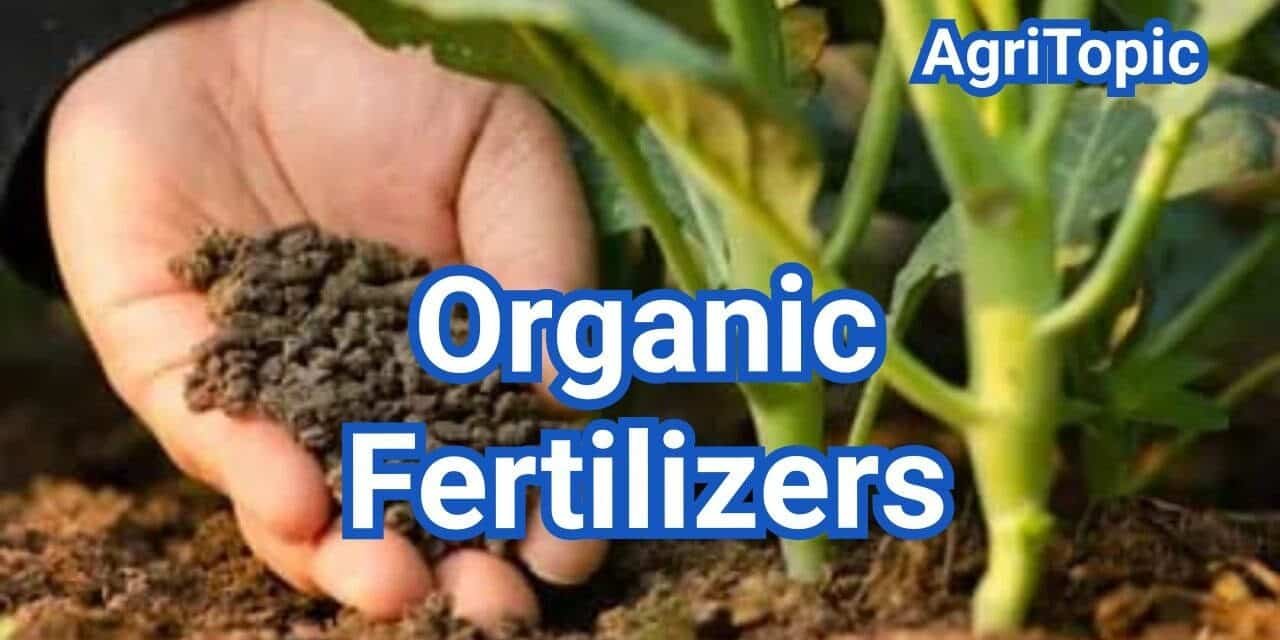
Modern gardening is undergoing a major transformation as more people prioritize sustainable living. Recent data from the Organic Trade Association reveals that 82% of U.S. households now purchase natural products. This shift reflects a growing desire to nurture plants using earth-friendly methods.
Choosing the right organic fertilizers is essential for healthy soil and vibrant growth. This guide provides a comprehensive look at how these natural inputs work to improve your garden. We will explore the definition of these products and provide a detailed list of common options available to you.
Whether you are a beginner or a seasoned pro, understanding these natural soil amendments is vital. You will learn about various types and specific examples that help your crops thrive. By adopting these practices, you contribute to a healthier ecosystem while enjoying a bountiful harvest.
Quick answer: organic fertilizers are nutrient-containing materials derived mainly from natural plant or animal sources, along with certain mined materials used in organic production. They are used to supply nitrogen, phosphorus, potassium, secondary nutrients, or micronutrients, and many release nutrients gradually as soil organisms break them down, as explained in Colorado State University Extension guidance.
Key Takeaways
- Over 80% of American households now prefer natural gardening products.
- Natural soil amendments improve long-term soil health and structure.
- This guide covers essential definitions and practical application techniques.
- Using compost and manure provides a slow-release nutrient source for plants.
- Eco-conscious growers benefit from reduced chemical runoff in their gardens.
What is Organic Fertilizers? Definition and Core Principles
Understanding the foundation of plant nutrition begins with a clear organic fertilizer definition. These substances are derived from natural sources, such as plant residues, animal waste, or mineral deposits. Unlike synthetic options, these types of fertilizers are not created through intensive industrial chemical processes. Instead, they rely on renewable biological materials to provide essential nutrients to the earth.
When exploring various organic fertilizer types, it is helpful to consider how they function compared to conventional products. Many gardeners often weigh the benefits of organic vs. commercial fertilizer to determine the best path for their specific soil needs. Choosing the right input is a critical step in maintaining a balanced ecosystem in your backyard or farm.
What defines organic fertilizers
The primary distinction lies in the origin of the nutrients. While a standard organic fertilizer vs chemical fertilizer comparison often highlights speed, organic options focus on long-term soil health. These inputs are processed by nature, meaning they release nutrients slowly as they break down.
This natural breakdown process ensures that plants receive a steady supply of food rather than a sudden, overwhelming surge. By utilizing these materials, you gain significant organic fertilizers advantages, such as improved soil structure and reduced risk of nutrient runoff. These products are truly the building blocks of sustainable agriculture.
The role of organic matter in soil biology | Organic Fertilizers
Organic matter acts as the lifeblood of the soil, fostering a diverse community of beneficial microbes. When you compare organic vs. synthetic fertilizers: differences and uses, the impact on soil biology is the most striking factor. Synthetic options often bypass the soil food web, whereas organic inputs actively feed the bacteria and fungi that make nutrients available to roots.
Healthy soil biology creates a resilient environment where plants can thrive even during stressful weather conditions. By incorporating organic matter, you are not just feeding the plant; you are investing in the future fertility of your land. This holistic approach ensures that your garden remains productive and vibrant for many seasons to come.
Organic Fertilizers vs. Synthetic Fertilizers: Key Differences
Selecting the right fertilizer requires a clear understanding of how different products interact with your garden ecosystem. While both options aim to provide essential nutrients, their methods of delivery and long-term effects on the environment vary significantly. Understanding organic vs. synthetic fertilizers: differences and uses is the first step toward building a thriving landscape.
Comparing nutrient release rates | Organic Fertilizers
The primary distinction lies in how quickly nutrients become available to your plants. Synthetic options are engineered for immediate availability, providing a rapid boost that can be helpful in emergency situations. However, this quick release often leads to nutrient leaching if the plants cannot absorb the minerals fast enough.
In contrast, an organic fertilizer releases nutrients slowly as it breaks down. This process relies on the natural decomposition of organic matter by soil organisms. Because of this gradual release, plants receive a steady supply of food over a longer period, which reduces the risk of burning roots.
Impact on soil structure and microbial life | Organic Fertilizers
Synthetic products often focus solely on plant nutrition, sometimes ignoring the needs of the soil itself. Over time, heavy reliance on these chemicals can lead to a decline in soil structure and a reduction in beneficial microbial activity. Without the carbon found in organic fertilizers, the soil food web may struggle to thrive.
Organic inputs work differently by feeding the soil first. By adding organic matter, you encourage a diverse population of bacteria, fungi, and earthworms. These organisms improve soil aeration and water retention, creating a resilient environment that supports plant growth naturally.
When to choose organic over commercial fertilizer
Deciding between organic vs. commercial fertilizer depends on your specific gardening goals. If you are looking for a quick fix for a nutrient-deficient plant, a synthetic product might seem appealing. However, for long-term soil health and sustainable gardening, organic options are almost always the superior choice.
Many gardeners prefer organic fertilizer types when they want to build soil fertility over several seasons. By choosing organic, you invest in the future of your garden rather than just the current harvest. This approach ensures that your soil remains productive and healthy for years to come.
The Science Behind Organic Nutrition: Mineralization and C:N Ratios
Soil health relies on a complex dance of microbes that transform raw organic matter into plant food. This biological process is the foundation for sustainable gardening and long-term soil fertility. By understanding these hidden mechanics, you can better manage your garden’s health without relying on synthetic inputs.
How nutrient mineralization works | Organic Fertilizers
Nutrient mineralization is the process where soil microbes break down organic matter into inorganic forms that plants can absorb. When you add organic soil nutrients to your garden, they are not immediately available to roots. Instead, bacteria and fungi must digest these materials first.
This conversion process releases essential elements like phosphorus, sulfur, and natural nitrogen for plants into the soil solution. The speed of this transformation depends heavily on soil temperature, moisture levels, and the biological activity present in your garden beds. When conditions are ideal, this cycle provides a steady, slow-release supply of food for your crops.
Why the Carbon to Nitrogen ratio matters | Organic Fertilizers
The c:n ratio is a critical measurement that determines how quickly organic matter decomposes. It represents the balance between carbon, which provides energy for microbes, and nitrogen, which is needed for their growth. If you add materials with a high c:n ratio, such as wood chips or straw, microbes will consume all available soil nitrogen to break them down.
This phenomenon can lead to a temporary nitrogen deficiency, often causing stunted growth in your vegetables. To avoid this, gardeners should balance high-carbon materials with nitrogen rich fertilizer for plants or green manures. Using the right organic fertilizer for plants ensures that your soil microbes have enough fuel to work efficiently without stealing nutrients from your crops.
| Material Type | Typical C:N Ratio | Decomposition Speed |
|---|---|---|
| Fresh Grass Clippings | 15:1 | Very Fast |
| Finished Compost | 25:1 | Moderate |
| Straw | 80:1 | Slow |
| Wood Chips | 400:1 | Very Slow |
Managing this balance is the key to effective organic nitrogen fertilizer application. By monitoring the materials you add to your soil, you can prevent nutrient tie-up and promote vigorous plant development throughout the growing season.
Essential Types of Organic Fertilizers for Your Garden
Navigating the world of organic farming supplies can be simple when you know the main categories. By understanding the different types of organic fertilizers, you can provide your plants with the specific nutrients they need to thrive. Choosing the right organic fertilizer ensures that your soil remains healthy and productive for many seasons.
Plant-based fertilizers | Organic Fertilizers
These inputs are derived from botanical sources and are excellent for improving soil structure. Common examples include compost, alfalfa meal, and seaweed extracts. These plant-based fertilizers work by adding organic matter to the earth, which helps with aeration and moisture retention.
“The soil is the great connector of lives, the source and destination of all.”
— Wendell Berry
Animal-based fertilizers
If your garden requires a boost in nitrogen or phosphorus, animal byproducts are often the best choice. These materials break down at varying rates, providing a steady supply of nutrients to your plants. Common options include blood meal, bone meal, and feather meal, which are staples in many organic growing programs.
Mineral-based organic inputs | Organic Fertilizers
Sometimes, plants need specific minerals that are not found in high concentrations in compost or manure. Mineral-based organic inputs, such as rock phosphate or greensand, provide essential micronutrients that support long-term plant health. Using this type of fertilizer helps balance the soil chemistry, ensuring that your crops have everything they need to reach their full potential.
- Plant-based: Best for soil texture and long-term health.
- Animal-based: Ideal for rapid nitrogen and phosphorus delivery.
- Mineral-based: Perfect for correcting specific nutrient deficiencies.
Comprehensive List of Organic Fertilizer Sources and Examples
Building a thriving garden requires a deep understanding of the various organic fertilizer sources available to modern growers. By selecting the right inputs, you can significantly improve soil structure and plant vitality. These organic fertilizers examples serve as the building blocks for a sustainable and productive landscape.
Compost as fertilizer
Using compost as fertilizer is perhaps the most effective way to recycle nutrients back into your garden. It acts as a slow-release amendment that improves soil aeration and water retention. Consistent application of high-quality compost fosters a robust microbial environment essential for plant health.
Bone meal vs blood meal applications | Organic Fertilizers
When comparing bone meal vs blood meal, it is important to understand their distinct roles in plant nutrition. Bone meal is a phosphorus-rich amendment that primarily supports strong root development and flowering. In contrast, blood meal serves as a high-nitrogen source that encourages rapid, lush green growth.
Fish emulsion uses and benefits | Organic Fertilizers
The fish emulsion uses are diverse, as this liquid input provides a quick boost of nitrogen and trace minerals. Because it is water-soluble, plants can absorb these nutrients almost immediately after application. Many gardeners rely on this organic fertilizer to revive stressed plants during the peak growing season.
Coffee grounds and other household organic waste | Organic Fertilizers
Repurposing household waste is a smart way to supplement your fertilizer program without extra costs. Used coffee grounds are excellent for adding nitrogen to your soil, while crushed eggshells provide calcium. These simple additions help maintain a balanced nutrient profile in your garden beds.
“The health of our soil is the foundation of all life, and organic matter is the key to unlocking that potential.”
— Anonymous
| Fertilizer Type | Primary Nutrient | Best Use |
|---|---|---|
| Blood Meal | Nitrogen | Leafy greens |
| Bone Meal | Phosphorus | Root development |
| Fish Emulsion | Nitrogen/Trace | Quick plant boost |
| Compost | Balanced | Soil structure |
By integrating these various options, you create a comprehensive organic fertility strategy. Always monitor your plant response to ensure you are providing the right balance of nutrients. A well-planned approach leads to long-term success in any organic garden.
Advantages of Using Organic Fertilizers for Soil Health
Many gardeners are discovering that organic fertilizers provide more than just basic nutrients; they revitalize the entire soil ecosystem. By choosing these natural inputs, you unlock significant organic fertilizers advantages that synthetic alternatives simply cannot match. These products work in harmony with nature to create a thriving environment for every plant in your garden.
Long-term soil fertility benefits | Organic Fertilizers
The primary goal of using organic matter is to build a sustainable foundation for your soil. Unlike quick-release chemicals, these inputs break down slowly to provide a steady supply of essential minerals over time. This process ensures that your soil remains fertile for many seasons, supporting robust growth without the need for constant reapplication.
Improving water retention and soil aeration | Organic Fertilizers
One of the most notable benefits of organic fertilizers is their ability to improve soil structure. By adding organic material, you increase the soil’s capacity to hold onto water and vital nutrients. This creates a sponge-like texture that prevents runoff and ensures that moisture stays available for your plants during dry spells.
Furthermore, this improved structure promotes better soil aeration. Roots require oxygen to thrive, and loose, crumbly soil allows for better gas exchange. This environment is essential for developing a deep, healthy root system that can withstand environmental stress.
Growth enhancer properties for plants | Organic Fertilizers
Organic inputs act as a powerful growth enhancer by fostering a diverse microbial ecosystem. Beneficial bacteria and fungi thrive in soil enriched with organic matter, breaking down complex compounds into forms that plants can easily absorb. This biological activity is the secret behind the lush, vibrant appearance of a well-tended organic garden.
When you prioritize the health of your soil, you provide your plants with the tools they need to defend against pests and diseases. A healthy, organic approach ensures that your garden is not only productive but also resilient. By investing in the soil today, you guarantee a more successful harvest for years to come.
Step-by-Step Guide to Soil Testing for Organic Farms
Achieving a thriving garden begins with understanding the hidden chemistry beneath your feet. Soil testing for organic farms is the most reliable way to ensure your plants receive the exact nutrients they require for healthy development. By analyzing your land, you move away from guesswork and toward a data-driven approach to cultivation.
Collecting representative soil samples | Organic Fertilizers
To get an accurate reading, you must collect samples from several areas of your garden. Avoid taking soil from just one spot, as this may not reflect the overall condition of your plot. Instead, use a clean trowel to dig down about six inches in a zigzag pattern across your growing space.
Mix these small samples together in a clean plastic bucket to create a composite sample. Remove any rocks, roots, or large debris before placing the soil into a testing bag. Consistency is key when gathering these materials to ensure your results are truly representative of the entire field.
Interpreting organic soil test results | Organic Fertilizers
Once you receive your report, focus on the pH level and the availability of organic soil nutrients. A balanced pH is vital because it dictates how easily plants can absorb minerals from the soil. If your pH is too high or too low, even the best organic fertilizer will struggle to provide the necessary benefits to your crops.
Look closely at the levels of phosphorus, potassium, and calcium listed in your report. These numbers help you identify if your current organic farming supplies are sufficient or if you need to pivot your strategy. Understanding these metrics allows you to make informed decisions that support long-term fertility.
Adjusting amendments based on test data | Organic Fertilizers
After interpreting your data, you can apply specific amendments to correct any deficiencies. This targeted approach prevents the over-application of nutrients, which protects both your budget and the local environment. Precision application ensures that you only add what the plants actually need to thrive.
| Test Parameter | Ideal Range | Common Amendment |
|---|---|---|
| Soil pH | 6.0 – 7.0 | Lime or Sulfur |
| Organic Matter | 5% – 8% | Compost |
| Phosphorus | 30 – 50 ppm | Rock Phosphate |
| Potassium | 150 – 250 ppm | Greensand |
By following these steps, you maintain a healthy balance in your garden ecosystem. Regular testing is a foundational practice that turns a standard plot into a highly productive organic landscape. Always keep your records to track improvements in your soil health over several seasons.
How to Apply Organic Fertilizers: Best Practices and 4R Stewardship
Achieving optimal plant growth requires more than just choosing the right organic fertilizer types and how to use them. Success in the garden depends heavily on the precision of your application methods. By following established guidelines, you can ensure that your soil remains productive and healthy for many seasons.
Right source, right rate, right time, and right place | Organic Fertilizers
The 4R nutrient stewardship framework is a gold standard for managing soil inputs effectively. This approach helps gardeners maximize the benefits of any organic fertilizer while minimizing environmental waste. It focuses on four critical pillars that dictate the success of your feeding program.
First, select the right source that matches the specific needs of your crops. Second, apply the right rate to avoid over-fertilization, which can harm delicate root systems. Third, choose the right time to align nutrient release with the peak growth phases of your plants. Finally, ensure the material is placed in the right location to reach the active root zone efficiently.
| Principle | Action | Goal |
|---|---|---|
| Right Source | Match nutrient profile to crop | Balanced nutrition |
| Right Rate | Follow soil test recommendations | Prevent nutrient runoff |
| Right Time | Apply during active growth | Maximize uptake |
| Right Place | Target the root zone | Reduce waste |
Incorporating fertilizers into the root zone | Organic Fertilizers
Knowing how to use organic fertilizers effectively involves more than just spreading it on the surface. For many organic inputs, incorporation into the soil before planting is the most reliable method. This allows the microbes to begin breaking down the material immediately, making nutrients available as the roots develop.
If you are working with established plants, consider using a top-dressing technique. Gently scratch the fertilizer into the top inch of the soil and water it in thoroughly. This practice ensures that the nutrients move downward into the root zone where they are needed most. Consistent application of these methods will significantly improve the efficiency of your organic fertilizer program.
Managing Manure, Green Manure, and Legume Cover Crops
Building healthy soil requires a strategic approach to using natural inputs. By focusing on manure management and the use of cover crops, growers can significantly improve the long-term productivity of their land.
Best practices for manure management | Organic Fertilizers
Raw manure is a powerful organic fertilizer, but it must be handled with extreme caution to ensure food safety. Organic standards require a strict 120-day waiting period between the application of raw manure and the harvest of any crops that touch the soil.
This safety protocol prevents the spread of pathogens like E. coli. Always ensure that manure is fully composted if you intend to use it on short-cycle crops to avoid these regulatory hurdles.
Selecting the right legume cover crops | Organic Fertilizers
Choosing the correct legume cover crops is a cornerstone of sustainable organic farming supplies management. Legumes such as hairy vetch, crimson clover, and field peas are excellent choices for adding nitrogen to the soil.
When selecting your seeds, consider your local climate and the specific time of year. These plants work in harmony with soil bacteria to capture atmospheric nitrogen, which becomes available to your primary crops once the cover is terminated.
Incorporating green manure for nitrogen fixation | Organic Fertilizers
Green manure refers to crops grown specifically to be tilled back into the earth. This practice is vital for improving soil structure and increasing organic matter content.
To maximize the benefits, incorporate the plant material while it is still green and succulent. This ensures rapid decomposition and efficient nutrient release, providing a natural boost to your organic garden without the need for synthetic alternatives.
Specialized Organic Inputs: Rock Phosphate, Langbeinite, and Potassium Sulfate
Mineral-based organic soil nutrients play a vital role in correcting specific deficiencies in high-yielding gardens. When standard compost or manure cannot meet the precise needs of your crops, these concentrated natural inputs offer a reliable solution. By integrating these minerals, growers can fine-tune their soil chemistry to support robust plant development without relying on synthetic chemicals.
Sourcing natural phosphorus for plants | Organic Fertilizers
Rock phosphate serves as a cornerstone for gardeners seeking a long-term supply of phosphorus. This mineral typically contains between 20% and 33% phosphorus, making it a potent natural phosphorus for plants. Because it releases nutrients slowly, it is best applied during soil preparation to ensure availability throughout the growing season.
Unlike highly soluble synthetic options, this mineral requires soil microbes and slightly acidic conditions to become plant-available. Incorporating it into your organic fertilizer regimen helps build a lasting reservoir of phosphorus in the root zone. It is an excellent choice for root crops and perennials that benefit from steady, consistent nutrient release.
Using langbeinite for magnesium and potassium
When your soil test indicates a shortage of potassium or magnesium, langbeinite is a highly effective, naturally occurring mineral. This unique input provides a balanced ratio of potassium, magnesium, and sulfur in a water-soluble form. It is particularly valuable for crops that have high demands for these specific secondary nutrients.
Because it is mined from ancient sea beds, it is widely accepted in many organic certification schemes. Applying this mineral allows you to address multiple deficiencies simultaneously, saving time and effort in your garden management. It is highly recommended for fruit-bearing plants that require extra magnesium for optimal photosynthesis.
Potassium sulfate applications in organic systems
Potassium sulfate is another essential tool for maintaining high-quality yields in an organic system. It provides a concentrated source of potassium while maintaining a low salt index, which protects sensitive soil life. This makes it a safer alternative to other potassium sources that might contain high levels of chloride.
Growers often use this organic fertilizer to improve the flavor, color, and shelf life of vegetables and fruits. When applied correctly, it ensures that plants have the necessary potassium to regulate water movement and enzyme activation. Always follow soil test recommendations to determine the precise application rate for your specific crop needs.
Using Organic Fertilizers for Specific Plant Needs

Customizing your fertilization strategy ensures that your vegetables, trees, and indoor plants receive exactly what they need to flourish. By selecting the right organic fertilizer for plants, you can support specific growth stages and improve overall vitality. Different species have unique metabolic demands that require a thoughtful approach to soil amendments.
Natural fertilizer for tomato plants and vegetables
Leafy greens thrive when provided with nitrogen-rich compost, which encourages lush foliage development. In contrast, fruiting crops like tomatoes and peppers require higher levels of phosphorus and potassium to support heavy yields. Using a natural fertilizer for tomato plants, such as bone meal or kelp meal, helps ensure your harvest is both abundant and flavorful.
Organic Fertilizers for olive, papaya, and persimmon trees
Fruit trees demand a steady supply of nutrients to maintain long-term health and fruit production. A high-quality fertilizer for olive trees should focus on balanced micronutrients to prevent deficiencies. Similarly, when choosing a fertilizer for papaya tree or a fertilizer for persimmon tree, look for slow-release organic options that mimic the natural nutrient cycling found in forest soils.
Applying composted manure or aged mulch around the drip line provides these trees with consistent nourishment. Consistency is key when managing perennial fruit crops. Avoid over-fertilizing during the dormant season to prevent excessive, tender growth that may be susceptible to frost damage.
Organic Fertilizers for indoor plants and spider plants | Organic Fertilizers
Indoor environments require a more delicate touch when it comes to soil nutrition. A gentle fertilizer for spider plant varieties often involves using diluted liquid seaweed or fish emulsion during the active growing season. These inputs provide essential minerals without the risk of salt buildup common in synthetic alternatives.
Always ensure your containers have proper drainage to prevent nutrient stagnation. Organic inputs for indoor greenery should be applied sparingly, as plants in pots have limited root space. A light feeding every few weeks during spring and summer is usually sufficient to keep your indoor jungle thriving.
Organic fertilizers for flowering plants like roses and hydrangeas
Flowering shrubs require specific nutrient ratios to produce vibrant, long-lasting blooms. Using an organic fertilizer for flowering plants can significantly enhance the color and size of your blossoms. For instance, a natural fertilizer for roses often benefits from added alfalfa meal, which provides growth-promoting compounds.
When applying a natural fertilizer for hydrangeas, consider the soil pH, as this directly influences flower color. Incorporating organic matter helps stabilize the soil environment, allowing these plants to access the nutrients they need for spectacular displays. Healthy soil biology remains the foundation for beautiful, resilient flowers in any landscape.
Advanced Techniques: Fertigation and Liquid Organic Inputs

Modern growers are increasingly turning to liquid delivery systems to ensure their crops receive a consistent supply of nutrients. By utilizing an organic liquid fertilizer, you can bypass the slow breakdown process of granular amendments and provide immediate support to your plants. This approach is essential for high-intensity production where timing is everything.
Setting up fertigation with organic inputs
Implementing fertigation with organic inputs requires careful planning to avoid clogging your irrigation lines. You must use highly soluble products that are specifically designed for drip or sprinkler systems. Always ensure that your fertilizer solution is properly filtered before it enters the pump to protect your equipment from sediment buildup.
Regular maintenance of your irrigation system is vital when working with organic liquids. Flushing lines with clean water after each application prevents the accumulation of organic matter that could harbor unwanted bacteria. Many professional organic farming supplies include specialized injectors that make this process seamless for both small and large-scale operations.
Using compost tea for plants | Organic Fertilizers
Compost tea for plants serves as a powerful probiotic, introducing beneficial microbes directly into the root zone. This liquid extract is brewed from high-quality compost and provides a diverse ecosystem of fungi and bacteria. When applied as a soil drench or foliar spray, it helps suppress pathogens and improves nutrient uptake efficiency.
“The true power of organic gardening lies in the invisible world of the soil, which we can nurture and amplify through the strategic use of living liquid inputs.”
To get the best results, ensure your brewing process includes adequate aeration to keep the microbial population healthy. Using a high-quality organic fertilizer in conjunction with these teas can create a synergistic effect that boosts overall plant vigor. The following table outlines the key differences between these advanced liquid application methods.
| Method | Primary Benefit | Application Frequency |
|---|---|---|
| Fertigation | Consistent nutrient delivery | Every irrigation cycle |
| Compost Tea | Microbial inoculation | Bi-weekly or monthly |
| Foliar Spray | Rapid nutrient absorption | As needed for deficiencies |
By mastering these techniques, you can significantly improve the health of your organic garden. Whether you are managing a small backyard plot or a larger commercial site, these methods provide the precision needed for success. Always monitor your soil health to ensure your organic fertilizer program remains balanced and effective over time.
Navigating USDA Organic Rules and OMRI Listed Products
Growers often find that the most challenging part of organic farming is staying compliant with national standards. Maintaining your certification status requires a deep understanding of the inputs you introduce to your soil. By following established guidelines, you ensure that your organic farming supplies meet the high expectations of the industry.
Understanding the OMRI Listed label | Organic Fertilizers
The Organic Materials Review Institute, or OMRI, provides a vital service for gardeners and farmers. When you see the OMRI Listed seal on a product, it signifies that the item has undergone a rigorous review process. This label confirms that the organic fertilizer is suitable for use in certified organic production systems.
Always check the packaging for this specific mark before purchasing your inputs. Relying on verified products helps you avoid accidental contamination of your garden beds. It is a simple step that provides peace of mind when managing your organic soil nutrients.
Compliance with USDA organic rules for growers | Organic Fertilizers
To qualify as organic, all inputs must adhere to strict federal guidelines. The USDA organic rules mandate that fertilizers must be biodegradable and possess low toxicity levels. These regulations ensure that the materials used are derived from natural sources approved for sustainable agriculture.
Compliance is not just about the final product, but also about the origin of the ingredients. Growers must verify that their chosen fertilizer does not contain prohibited synthetic substances. By staying informed on current USDA organic rules, you protect the integrity of your land and your final harvest.
Preventing Environmental Impact: Nitrate Leaching and Phosphorus Runoff
Protecting our local waterways starts with the choices we make in our own gardens. While many gardeners focus solely on plant growth, the long-term health of our environment depends on how we manage soil nutrients. Using organic fertilizer options is a proactive step toward maintaining cleaner water systems.
Mitigating risks of nutrient runoff | Organic Fertilizers
Synthetic chemicals often dissolve quickly, which leads to nitrate leaching when heavy rains occur. This process carries excess nitrogen into groundwater, potentially harming local aquatic life. In contrast, organic inputs rely on biological processes to break down nutrients slowly.
Because these sustainable fertilizers release nutrients at a rate that plants can actually absorb, the risk of phosphorus runoff is significantly reduced. By choosing eco-friendly fertilizers, you ensure that your garden remains a closed-loop system. This approach keeps vital nutrients in the soil where they belong rather than washing them away into streams.
Sustainable application strategies to protect water quality | Organic Fertilizers
Effective management requires more than just picking the right product. You should always apply fertilizer based on the specific needs of your soil as determined by testing. Avoid spreading amendments right before a heavy storm, as this increases the likelihood of runoff.
Incorporating organic matter into the root zone helps improve soil structure, which acts as a natural filter. These eco-friendly fertilizers work best when paired with mulch or cover crops to prevent erosion. By following these sustainable fertilizers practices, you contribute to a healthier ecosystem while still achieving excellent plant growth.
| Feature | Synthetic Fertilizer | Organic Fertilizer |
|---|---|---|
| Nutrient Release | Rapid/Immediate | Slow/Steady |
| Leaching Risk | High | Low |
| Soil Structure | Neutral/Degrading | Improves Biology |
| Environmental Impact | High Runoff Potential | Minimal Runoff |
Tips for Maintaining a Healthy Organic Lawn
Maintaining a vibrant organic lawn is a rewarding way to improve your home’s curb appeal while protecting the local environment. By focusing on the biology beneath the surface, you create a resilient ecosystem that naturally resists pests and weeds. A healthy organic approach ensures that your grass remains thick and lush throughout the growing season.
Choosing the best organic lawn fertilizers
When selecting organic lawn fertilizers, look for products that provide slow-release nitrogen. This feature is essential because it feeds the grass consistently over time without the risk of burning the blades. Unlike synthetic options, these inputs improve soil structure, which is vital for long-term vitality.
Always check the label for high-quality ingredients like feather meal, composted manure, or kelp. These components provide a balanced diet for your lawn, encouraging deep root growth. Using a reliable organic fertilizer helps you avoid the “boom and bust” growth cycle often seen with commercial chemicals.
Homemade fertilizer for grass and lawn maintenance
You can easily create your own homemade fertilizer for grass using common household items. Grass clippings left on the lawn after mowing act as a natural source of nitrogen, returning nutrients directly to the soil. This simple practice is one of the most effective ways to maintain a healthy, green yard without extra cost.
Another excellent option for homemade fertilizer for grass involves using compost tea or diluted seaweed extract. These liquid inputs provide essential micronutrients that strengthen the root system against heat and drought. By committing to these organic maintenance practices, you create a safer, more sustainable outdoor space for your family and pets to enjoy all year long.
At The End of: Organic Fertilizers Guide
Transitioning to natural gardening methods creates a lasting legacy for your landscape. You gain control over the health of your plants by choosing the right organic fertilizer for your specific needs. These inputs work with nature to build a resilient foundation for every growing season.
The benefits of organic fertilizers extend far beyond simple plant growth. You improve the long-term structure of your earth by adding essential organic soil nutrients. This approach ensures that your garden remains productive and vibrant for years to come.
Success requires a commitment to quality organic farming supplies and consistent application habits. You should prioritize products that align with your environmental goals and local standards. Brands like Espoma or Dr. Earth offer reliable options for those seeking high-quality organic fertilizers.
Your garden acts as a living ecosystem that thrives when you provide the right care. Every application of organic fertilizer helps restore balance to the soil biology. Start your journey toward a healthier yard today by embracing these sustainable practices.
FAQ
What is the most practical option of organic fertilizers for beginners?
For beginners, the most practical organic fertilizers are labeled, blended granular products for small areas or fully finished, tested compost paired with a soil-test-based nutrient plan. These choices reduce uncertainty, simplify rate calculations, and lower the food-safety risk associated with raw manure, although compost alone may not meet peak crop demand. Start on a small comparison strip, record the rate, and expand only after observing crop response and soil trends supported by University of Maryland vegetable-garden guidance.
Organic vs. synthetic fertilizer: Is one always better?
Plants absorb the same ionic nutrient forms whether those nutrients originated in organic fertilizers or synthetic sources, so plant roots do not recognize a marketing category. The practical differences involve nutrient concentration, release timing, carbon addition, salt risk, transport, price, predictability, and production-system rules. The best agronomic choice is the one that meets crop demand without degrading soil or water, while certified operations must stay within USDA rules, a distinction explained by University of Arizona fertilizer guidance.
Can organic fertilizer burn plants?
Yes, organic fertilizers can burn seeds, roots, or foliage when concentrated salts or ammonia are placed too close to plant tissue or applied at an excessive rate. Manure-based materials deserve particular caution in dry and saline regions, so test electrical conductivity, follow the label, incorporate appropriately, and leave time between application and direct seeding based on Colorado State University manure guidance.
How often should organic fertilizer be applied?
The correct schedule for organic fertilizers depends on the product’s release curve, crop demand, soil temperature, irrigation, and previous nutrient credits. Slow materials may be applied before planting, while faster liquids may be split during active growth; soil testing should guide repeated compost or manure use because phosphorus and potassium can accumulate, according to University of Minnesota soil-testing advice.
What is the best organic fertilizer?
No single source is best; organic fertilizers should be selected for the measured deficiency and the production system. Compost is useful for organic matter, blood or feather meal can target nitrogen, bone meal may fit a true phosphorus deficiency, and tested manure can provide several nutrients, but each choice must be evaluated by analysis, availability, and risk using University of Maryland amendment data.
Are liquid organic fertilizers faster than granular products?
Some liquid organic fertilizers act faster because soluble nutrients are already dispersed, but the source and manufacturing process matter more than physical form alone. Certified operations should verify approval carefully, especially for liquid products with more than 3% nitrogen, which require evaluation under the USDA liquid-input policy.
Can organic fertilizer replace synthetic fertilizer completely?
In some systems, organic fertilizers can replace most or all purchased synthetic nutrients, especially when manure, compost, legumes, crop rotations, and soil reserves are managed together. Complete replacement is not automatically economical or nutritionally balanced, so growers must compare plant-available nutrients, timing, phosphorus buildup, transport, and crop response using the whole-system approach in the USDA guide for crop producers.
What is the primary difference between organic vs. synthetic fertilizers?
The main distinction lies in the origin and nutrient release rate. Organic fertilizers are derived from natural plant, animal, or mineral sources and require soil microbes to break them down, a process known as nutrient mineralization. In contrast, synthetic vs. organic fertilizers comparisons show that chemical options are industrially manufactured and provide immediate nutrient availability, which can lead to nitrate leaching and phosphorus runoff if over-applied. Organic inputs like MicroLife fertilizer build long-term soil health by adding carbon, whereas commercial fertilizers often bypass the soil’s biological ecosystem.
What are some common examples of organic fertilizers for home gardens?
Our organic fertilizers list includes a variety of high-performing options. For a quick nitrogen boost, blood meal is a top choice, while bone meal is famous for providing natural phosphorus for plants. Other organic fertilizer types include fish emulsion uses for liquid feeding, seaweed extracts, and manure management products like Black Kow cow manure. For specialized needs, gardeners often use rock phosphate, langbeinite, or potassium sulfate to address specific mineral deficiencies discovered during soil testing for organic farms.
How do I choose the best natural fertilizer for tomato plants?
The best organic fertilizer for tomatoes balances nitrogen for leaf growth and phosphorus for fruit development. Many growers use a combination of fish fertilizer for tomatoes and bone meal for blossom end rot prevention. If you prefer a pre-mixed option, look for OMRI listed products designed for vegetables. For a homemade fertilizer for tomatoes, mixing compost tea for plants with crushed eggshells and coffee for plants as fertilizer can provide a gentle, nutrient-rich boost. Avoid using a standard 10 10 10 fertilizer for tomatoes if you want to strictly follow organic gardening principles.
Can I use organic fertilizers for my lawn, and which one is best?
Yes, organic lawnfertilizers are excellent for building deep root systems and long-term turf health. Milorganite slow release nitrogen lawn fertilizer is a widely recognized brand that provides consistent greening without the risk of burning the grass. You can also create a homemade fertilizer for grass by using finely screened compost. Unlike synthetic “weed and feed” products, natural fertilizers like these improve the soil structure, making your lawn more drought-resistant and eco-friendly.
What is the importance of the C:N ratio in organic farming?
The C:N ratio (Carbon to Nitrogen ratio) determines how quickly organic matter decomposes. Materials with a high carbon content, like straw or wood chips, decompose slowly and can temporarily “tie up” nitrogen in the soil. Conversely, nitrogen-rich materials like green manure or legume cover crops break down quickly, releasing nutrients for plant uptake. Understanding this balance is a core part of organic fertilizer types and how to use them effectively to prevent nutrient deficiencies.
What should I use as a fertilizer for jasmine plant or hibiscus plants?
For flowering tropicals, a high-quality organic fertilizer for flowering plants is essential. Fertilizer for hibiscus plants should be low in phosphorus but high in potassium to support vibrant blooms. For a fertilizer for jasmine plant, an all purpose fertilizer like Espoma Plant-tone works well. You can also supplement with fish emulsion during the growing season to encourage lush, fragrant growth.
Are there specific organic fertilizers for fruit trees like olive, papaya, or persimmon?
Yes, fruit-bearing trees have unique requirements. A fertilizer for olive trees should be rich in nitrogen, often supplied by compost or alfalfa meal. For a fertilizer for papaya tree or fertilizer for persimmon tree, organic blends that include potassium sulfate help with fruit sweetness and maturation. When growing heavy feeders like these, following 4R nutrient stewardship ensures the right amount of nutrients reaches the root zone at the right time.
What is the best way to fertilize acid-loving plants like hydrangeas and roses?
For acid-loving species, Holly Tone fertilizer for hydrangeas is a gold standard in the industry, as it helps maintain the lower soil pH these plants crave. When looking for a natural fertilizer for rose plant or natural fertilizer for roses, products rich in alfalfa meal and blood and bone fertiliser are highly effective. These biofertilizers stimulate the microbial activity necessary for the complex root systems of perennial shrubs.
How can I provide natural nitrogen for plants without using chemicals?
To increase natural nitrogen for plants, you can incorporate blood meal, fish emulsion, or legume cover crops like clover and vetch into your rotation. Green manure is another excellent method where specific crops are grown and then plowed back into the soil to act as a nitrogen rich fertilizer for plants. For a liquid option, compost tea for plants can provide a quick, bioavailable nitrogen source.
What are the best organic fertilizers for indoor plants and orchids?
Indoor gardening requires gentler inputs. A natural fertilizer for indoor plants, such as a diluted organic liquid fertilizer, prevents salt buildup in pots. For a fertilizer for spider plant, a simple worm casting tea is often sufficient. If you are looking for a natural fertilizer for orchids, specialized orchid barks mixed with very low doses of fish emulsion or kelp meal provide the trace minerals needed without damaging sensitive roots.
Is it safe to use human waste for fertilizer in organic systems?
While the concept of “night soil” exists, using raw human waste for fertilizer is generally discouraged in home gardens due to pathogens. However, processed biosolids that meet strict safety standards, such as Milorganite, are used in certain applications. For food crops, it is always safer to stick to USDA organic rules and use OMRI listed animal manures or plant-based organic soil nutrients.
What organic options are best for heavy-feeding vegetables like corn and cucumbers?
For high-energy crops, a robust 10 10 10 fertilizer for corn equivalent in organic form would involve mixing poultry manure, bone meal, and greensand. Similarly, fertilizer for cucumber plants and fertilizer for chilli plants benefits from high organic matter content found in well-aged compost. If you are growing berries, homemade fertilizer for strawberry plants often includes pine needle mulch to slightly acidify the soil along with a balanced organic granular feed.
Conclusion of: Organic Fertilizers
For U.S. farms and gardens, organic fertilizers provide crop nutrients from plant, animal, microbial, or naturally occurring mineral materials. They can support productive crops while contributing carbon and biological activity, but successful use requires more than replacing one bag of synthetic fertilizer with another product. The source, nutrient analysis, release rate, soil test, crop demand, weather, application method, and food-safety rules must all fit into one nutrient plan guided by USDA NRCS nutrient-management principles.
What are organic fertilizers?
The phrase organic fertilizers refers to products from natural sources that provide at least one essential plant nutrient in an available or potentially available form. A fertilizer is different from a general soil amendment because a fertilizer makes a nutrient guarantee, while an amendment may mainly change organic matter, structure, drainage, or water-holding capacity. Compost can perform both roles, but its nutrient concentration is usually lower and more variable than that of a formulated product, according to Colorado State University’s fertilizer guide.
What qualifies as organic in the United States?
For a certified U.S. organic farm, organic fertilizers are not automatically permitted merely because they are natural, composted, or marketed with the word “organic.” The USDA National Organic Program generally allows nonsynthetic materials unless specifically prohibited and prohibits synthetic materials unless specifically allowed, often with restrictions; every input must also be approved by the operation’s certifying agent before use. Certified growers should retain the label, ingredient statement, purchase record, and written approval, following the USDA National List process.
Types, list, and examples
A practical list of organic fertilizers includes concentrated meals, manures, composts, liquid products, living cover crops, and selected mineral inputs. Nutrient grades vary by feedstock and processing, so the examples below describe typical uses rather than guaranteed analyses; the product label or laboratory report should control the final rate. U.S. vegetable production references identify blood meal, bone meal, fish emulsion, manure, kelp, cottonseed meal, and related materials among common sources in University of Maryland production guidance.
- Finished plant-based compost: A low-analysis source used mainly to add stable organic matter, improve tilth, and provide a modest long-term nutrient contribution.
- Composted livestock manure: A soil-building source that usually contains more phosphorus and potassium than plant-only compost; nutrient testing is important.
- Raw livestock manure: A useful farm nutrient source with food-safety, timing, storage, and certified-organic restrictions.
- Poultry litter: A relatively concentrated source of nitrogen, phosphorus, and potassium that can be economical near poultry-producing regions.
- Plant and seed meals: Alfalfa, cottonseed, soybean, and other meals primarily contribute nitrogen, with release speed depending on particle size and soil conditions.
- Animal by-product meals: Blood and feather meals are nitrogen-rich, while bone meal is mainly used where a soil test shows a phosphorus need.
- Fish products: Fish emulsion, hydrolysate, and fish meal can supply relatively fast nitrogen compared with finished compost.
- Kelp and seaweed products: Usually low-analysis materials that may contribute potassium and small amounts of other nutrients; label claims should guide expectations.
- Vermicompost and worm castings: Stable materials valued for organic matter and modest nutrient delivery rather than for meeting a large field nitrogen requirement.
- Green manure and legume cover crops: Clover, vetch, field peas, and other legumes can add biologically fixed nitrogen when their biomass is terminated and decomposes.
- Mined mineral materials: Rock phosphate, gypsum, limestone, and other minerals may be appropriate only for a documented soil need and, on certified land, when allowed.
- Blended pellets or liquids: Commercial formulations combine several ingredients to provide a more predictable N-P-K ratio and easier application.
What are organic fertilizers used for?
Organic fertilizers are used to correct measured nutrient deficiencies, feed annual and perennial crops, support transplant establishment, maintain pastures and orchards, and provide controlled nutrition in gardens or containers. Bulky composts and manures are especially useful for improving soil condition while adding nutrients, whereas concentrated meals and liquids are better suited to targeted nitrogen or phosphorus needs. The correct use depends on plant demand, soil properties, delivery speed, environmental risk, and budget, as outlined in the University of Minnesota fertilization guide.
How do organic fertilizers work?
Most nitrogen in organic fertilizers is bound in complex carbon-based compounds that roots cannot absorb directly. Soil microorganisms mineralize those compounds into ammonium and nitrate, and the amount released during the crop season depends on total nitrogen, material maturity, particle size, soil temperature, moisture, aeration, and time. Finished compost may release less than 10% of its total nitrogen in the initial prediction period, whereas higher-nitrogen fresh materials can release much more, as shown by the Oregon State plant-available nitrogen calculator.
How should you read an N-P-K label?
Labels on organic fertilizers express nitrogen, phosphate, and potash as three percentages in that order. A 5-4-3 product contains 5% nitrogen, 4% phosphate as P2O5, and 3% potash as K2O by weight, so a 20-pound bag contains 1 pound of total nitrogen. Total nutrient content is not the same as first-season availability, which is why growers should combine the guaranteed analysis with an availability estimate and the University of Maryland fertilizer-label explanation.
What are the main advantages?
The main advantage of organic fertilizers is that many sources deliver both nutrients and carbon, helping feed soil organisms and improve aggregation, infiltration, aeration, and water-holding capacity over time. Their slower nutrient release can better match extended crop uptake when timing is correct, and repeated well-calculated applications may improve nutrient cycling. These benefits are strongest when the material complements cover crops, diverse rotations, reduced disturbance, and residue management described by University of Minnesota soil specialists.
On farms with livestock or nearby processing by-products, organic fertilizers can close nutrient loops and turn a disposal liability into a crop input. Manure supplies useful nutrients, organic matter, fiber, and solids, but its economic advantage is usually greatest near the source because wet or bulky material is costly to transport. This nutrient-recycling value is summarized by the U.S. Environmental Protection Agency.
What are the disadvantages and risks?
The main limitation of organic fertilizers is uncertainty: nutrient concentration can change with animal diet, bedding, moisture, storage, processing, and the maturity of compost. Release may be too slow in cold spring soil, while warm and moist conditions may mineralize nutrients faster than expected. Representative sampling and laboratory analysis are more reliable than book values for bulk manure, as emphasized by University of Minnesota manure-testing guidance.
Overapplying organic fertilizers can build excessive phosphorus, potassium, salts, or alkalinity even when the crop still appears short of nitrogen. Immature, high-carbon material can temporarily immobilize nitrogen, while manure may introduce pathogens, weed seeds, odors, or persistent herbicide residues if the source is not screened. The safest response to nutrient accumulation is to stop routine compost applications, retest the soil, use targeted nutrient sources, and follow the corrective practices from University of Minnesota Extension.
How do you choose the best product?
The best choice among organic fertilizers depends on the nutrient deficiency, crop uptake pattern, soil pH, existing phosphorus and potassium, application equipment, material availability, and certification status. A high-nitrogen, low-phosphorus meal may fit a field already rich in phosphorus, while tested composted manure may fit soil that needs organic matter plus several nutrients. Select the ratio that most closely meets the soil-test recommendation and credit previous manure and cover crops using University of Minnesota’s calculation framework.
How do you calculate an application rate?
To calculate an application rate for organic fertilizers, start with the crop’s nutrient requirement, subtract soil, irrigation-water, legume, compost, and previous-manure credits, and identify the remaining target. Divide the pounds of nutrient needed by the decimal nutrient concentration, then adjust for the fraction expected to become plant-available during the relevant season. For bulk manure, use a representative lab analysis and calibrate the spreader because a correct paper calculation still fails when distribution is uneven, following Purdue University manure-rate guidance.
How should organic fertilizers be applied?
For most field and garden uses, organic fertilizers work best when their placement and timing match root activity and expected mineralization. Incorporate slow granular meals before peak demand, place banded products away from direct seed contact, and split faster liquid sources into smaller applications when leaching is possible. Granular meals often need earlier application than soluble sources, while liquids may need more frequent doses, as illustrated by Oregon State crop-fertilization guidance.
- Collect a representative soil sample and obtain crop-specific recommendations.
- Set a realistic yield goal rather than fertilizing for an unlikely maximum yield.
- Test bulk compost, manure, or litter for moisture, total nutrients, available nitrogen, pH, and electrical conductivity.
- Subtract credits from legumes, past applications, irrigation water, and soil organic matter.
- Choose a source whose nutrient ratio matches the remaining need.
- Estimate plant-available nutrients, not only total nutrients.
- Calculate the product rate and calibrate the spreader, injector, or fertigation system.
- Apply near crop demand, avoid saturated or frozen ground, and watch the forecast for runoff-producing rain.
- Keep material off leaves and edible portions unless the product label specifically allows that use.
- Record the field, date, product, lot, rate, method, weather, and operator.
- Monitor crop color, growth, tissue tests, and in-season soil nitrate where appropriate.
How can manure be used safely on food crops?
When organic fertilizers include untreated manure or animal by-products, food safety becomes as important as fertility. Prevent contact with harvestable produce, keep untreated material separate from treated compost, protect wells and irrigation systems, control runoff, and use a validated treatment process when relying on compost for pathogen reduction. U.S. produce growers subject to the Produce Safety Rule should understand the requirements for biological soil amendments of animal origin in the FDA Produce Safety Rule.
Certified producers using manure-based organic fertilizers must also follow the National Organic Program timing rules unless the material meets the applicable compost requirements. Raw manure must be incorporated at least 120 days before harvest when the edible crop portion can contact soil or soil particles, and at least 90 days before harvest when it does not; nonfood crops are treated differently. The controlling federal language appears in 7 CFR 205.203.
How do climate and region affect results?
U.S. climate and soil conditions change how organic fertilizers behave. Mineralization is slower in cold northern spring soils and dry Western soils, while warm, moist soils generally release nutrients faster; sandy soils increase leaching risk, and arid alkaline soils require extra attention to salts, sodium, pH, and micronutrient availability. In the Southwest, manure and compost analyses should be checked for electrical conductivity before high rates are applied, consistent with University of Arizona recommendations.
Quick checklist | Organic Fertilizers
- Start with a recent soil test and a crop-specific nutrient recommendation.
- Confirm the exact feedstock, guaranteed analysis, moisture level, and release characteristics.
- Request a laboratory analysis for bulk manure, litter, or compost.
- Calculate plant-available nitrogen rather than applying on total nitrogen alone.
- Avoid adding phosphorus when the soil test already rates it high or excessive.
- Check salinity and pH before using large or repeated manure-compost applications.
- Verify every input with the certifier before applying it to certified or transitional land.
- Apply close enough to crop demand to limit leaching, runoff, and gaseous loss.
- Follow raw-manure and treated-compost food-safety requirements.
- Calibrate equipment and document the actual rate applied.
- Leave buffers near wells, drainageways, and surface water as required by the farm plan and local rules.
- Review crop response and update the nutrient budget after harvest.
Common mistakes to avoid | Organic Fertilizers
- Buying before testing: Prevent waste by matching the product’s nutrient ratio to a soil-test need.
- Treating all compost as fertilizer: Separate its soil-conditioning value from the small amount of first-year available nitrogen it may supply.
- Using total nitrogen as immediately available nitrogen: Apply a realistic mineralization factor for the material and season.
- Applying manure repeatedly for nitrogen: Track phosphorus and potassium so they do not accumulate beyond crop needs.
- Ignoring temperature and moisture: Apply slow sources early enough to mineralize, but not so early that released nutrients are lost.
- Placing concentrated material against seed or roots: Maintain separation and follow the label to prevent ammonia or salt injury.
- Assuming “natural” means certified-organic compliant: Obtain written approval from the certifier before use.
- Skipping food-safety intervals: Identify whether manure is treated or untreated and schedule applications around harvest.
- Ignoring freight and spreading: Compare delivered cost per pound of plant-available nutrient, not price per bag or ton alone.
- Failing to keep records: Document source, lot, analysis, rate, date, field, method, and weather for management and compliance.
Costs and ROI snapshot | Organic Fertilizers
The purchase price of organic fertilizers is only one part of the U.S. farm cost; testing, freight, storage, loading, spreading, incorporation, certification documentation, and supplemental nutrients can change the result. A 2026 Maryland forage example valued tested poultry litter at about $101 per ton in equivalent N-P-K and about $202 per acre at a two-ton rate, but that figure is an illustration rather than a national promise because analysis, nutrient prices, availability, and field needs vary. Return improves when all supplied nutrients replace purchases on a field that actually needs them, as shown by University of Maryland’s current nutrient-value example.
Bulk organic fertilizers can become expensive when a low first-year nitrogen percentage forces a high tonnage rate. In one Colorado irrigated-pasture study, compost cost $45 per ton plus delivery, and a compost-only nitrogen strategy required roughly 10–16 tons per acre, or about $450–$720 per acre for material before delivery and application; this is a study-specific range, not a national market quote. The example demonstrates why a lower compost rate combined with targeted nutrients may produce a better budget, as reported by Colorado State University Extension.
- Main cost drivers: Nutrient concentration, moisture, application rate, hauling distance, handling, equipment, labor, testing, and certification review.
- What increases cost: Shipping water and low-analysis material, applying to distant fields, buying small retail packages, or needing extra potassium or immediately available nitrogen.
- What improves return: Using nearby tested material, crediting every nutrient, applying only to deficient fields, calibrating equipment, and preventing loss.
- What beginners underestimate: The difference between total and first-year available nitrogen, plus the long-term cost of correcting excess phosphorus or salts.
- Useful comparison metric: Delivered and applied cost per pound of plant-available nitrogen, plus the value of phosphorus and potassium the crop can use.
- Simple sensitivity test: Recalculate the budget at low and high delivered prices and at low and high mineralization estimates before committing the whole field.
- When investment makes sense: The material addresses a measured need, fits the cropping calendar, replaces purchased nutrients, and provides soil benefits worth more than its added handling cost.
Final thought
Organic fertilizers are most effective when treated as measured nutrient sources within a living-soil system, not as harmless materials that can be applied without limits. Test the soil and material, match source and timing to the crop, follow food-safety and certification rules, calculate delivered cost per available nutrient, and update the plan from field results using the framework in the NRCS organic nutrient-management guide.
Sources & References
- USDA Agricultural Marketing Service: Organic Standards
- USDA Certified Organic: Understanding the Basics
- USDA NOP Guidance 5021: Compost and Vermicompost
- USDA National Organic Program
- USDA NOP 5034-1: Materials for Organic Crop Production
- USDA NRCS: Soil Health
- USDA NRCS National Organic Farming Handbook
- U.S. EPA: Composting at Home
- U.S. EPA: Agricultural Nutrient Pollution Sources and Solutions
- FDA: Biological Soil Amendments of Animal Origin
- SARE: Cover Crops for Sustainable Crop Rotations
- SARE: Nutrient Management in Building Soils for Better Crops
- Colorado State University Extension: Soil Amendments
- University of Wisconsin Extension: Using Manure in the Home Garden