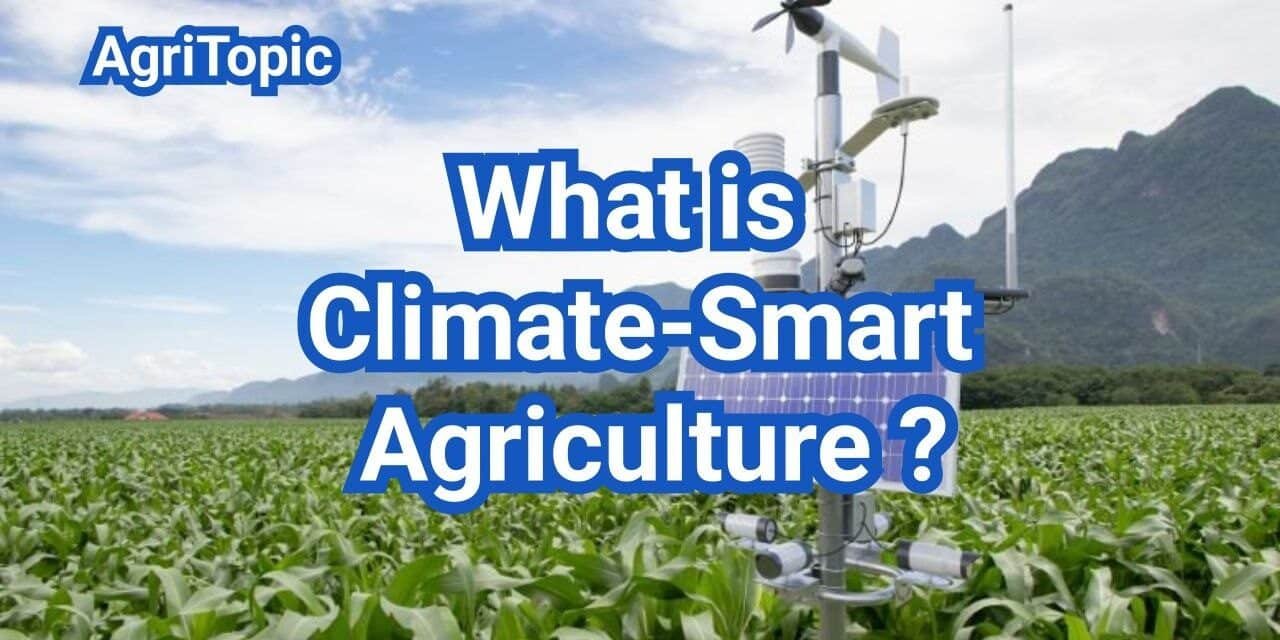
Global food production faces a daunting challenge today. Recent data shows a 21% decline in productivity, largely driven by the complex relationship between agriculture and climate change. As weather patterns become increasingly unpredictable, farmers must adapt to protect their livelihoods and our food supply.

The path forward requires a shift toward resilient methods that prioritize long-term agricultural sustainability. By adopting sustainable farming practices, producers can restore soil health while managing water resources more effectively. This transition is not just an environmental necessity; it is a vital strategy for ensuring food security for future generations.

Implementing climate-smart agriculture allows communities to thrive despite environmental shifts. This guide explores how modern techniques turn these challenges into opportunities for growth and stability.

Key Takeaways

  • Global productivity has dropped by 21% due to shifting environmental conditions.
  • Balancing food security with environmental health is essential for long-term success.
  • Adopting resilient methods helps farmers navigate unpredictable weather patterns.
  • Soil restoration and water management are core components of modern farming.
  • Transitioning to eco-friendly techniques secures the future of the food supply chain.

Understanding the Core Principles of Climate-Smart Agriculture

Climate-smart agriculture is more than a trend; it is a necessary evolution for modern food production. By adopting eco-friendly farming methods, producers can protect their land while ensuring consistent yields. These climate-friendly farming techniques provide a roadmap for navigating the complexities of a changing environment.

Defining the Three Pillars of CSA | Climate-Smart Agriculture

The framework of climate-smart agriculture practices rests on three foundational pillars. First, it focuses on sustainably increasing agricultural productivity to support a growing population. Second, it emphasizes building resilience to adapt to climate shocks and long-term stressors.

The third pillar involves reducing greenhouse gas emissions where possible. By integrating these climate-smart farming methods, farmers create a balanced system that benefits both the economy and the planet. This holistic approach ensures that resources are used efficiently without compromising future potential.

Aligning Farming Goals with Environmental Stewardship | Climate-Smart Agriculture

True environmental stewardship requires a shift in how we view farm management. It is about aligning individual production goals with the broader health of the local ecosystem. When farmers prioritize soil health and water conservation, they often find that profitability follows naturally.

Utilizing environmentally friendly farming techniques allows operations to thrive even during unpredictable weather cycles. The following table highlights the core differences between conventional and climate-smart approaches to help you visualize the transition.

FeatureConventional FarmingClimate-Smart Farming
Soil ManagementIntensive TillageConservation Tillage
Resource UseHigh Input ReliancePrecision Efficiency
Climate StrategyReactiveProactive Resilience
Goal FocusShort-term YieldLong-term Sustainability

By committing to these environmental-friendly agriculture techniques, you position your farm for long-term viability. This strategic alignment ensures that your land remains productive for generations to come.

Assessing Your Farm’s Vulnerability to Climate Change

dried soil between plants - Climate-Smart Agriculture

Every successful farm begins with a clear understanding of its unique environmental challenges. By identifying specific risks early, producers can implement climate-smart agriculture to protect their yields. Proactive assessment serves as the essential foundation for building a resilient operation that can withstand unpredictable weather.

Farmers who ignore these risks often face significant productivity losses, sometimes reaching 26-34% in vulnerable regions. Utilizing adaptive agriculture techniques allows you to turn potential threats into manageable data points. This shift in perspective is the first step toward long-term stability.

Mapping Local Weather Patterns and Risks | Climate-Smart Agriculture

Modern tools like GIS mapping provide a detailed view of how climate change adaptation impacts your specific acreage. By overlaying historical weather data with current topography, you can identify areas prone to erosion or heat stress. These climate adaptation strategies help you visualize where to focus your resources for the greatest impact.

“The best time to prepare for a changing climate is before the first sign of distress appears on your crops.”

— Agricultural Resilience Expert

Understanding regional vulnerabilities is vital for effective climate adaptation in agriculture. When you map your land, you gain the ability to predict how extreme events might affect your bottom line. This level of detail is a cornerstone of successful agricultural adaptation strategies.

Evaluating Soil Health and Water Availability | Climate-Smart Agriculture

A thorough audit of your soil and water resources is necessary for any climate adaptation techniques. Healthy soil acts as a buffer against drought, while efficient water management ensures survival during dry spells. Implementing climate change adaptation in agriculture requires knowing exactly what your land needs to thrive.

Regular testing helps you track organic matter levels and moisture retention capabilities. By focusing on agricultural adaptation, you can improve your land’s ability to hold water during heavy rains. These agriculture adaptation strategies ensure that your farm remains productive even when the environment becomes increasingly volatile.

Implementing Soil Conservation Techniques for Carbon Sequestration

Transforming your farm into a carbon sink starts with how you treat the ground beneath your feet. By adopting sustainable farming practices, you can improve the long-term viability of your land while actively fighting climate change. Effective soil conservation in agriculture focuses on keeping the earth covered and minimizing physical disruption to the soil profile.

Adopting No-Till and Reduced-Tillage Practices | Climate-Smart Agriculture

Traditional plowing often breaks down soil structure and releases stored carbon into the atmosphere. By shifting to conservation agriculture methods, you keep the soil intact, which helps maintain its natural structure. This approach is vital for effective carbon sequestration because it prevents the oxidation of organic matter.

When you reduce tillage, you also create a more stable environment for beneficial microbes and fungi. These organisms play a key role in nutrient cycling and water retention. Consider these primary benefits of minimizing soil disturbance:

  • Improved water infiltration during heavy rainfall events.
  • Reduced fuel consumption due to fewer passes over the field.
  • Enhanced soil structure that resists wind and water erosion.

Utilizing Cover Crops to Enhance Soil Organic Matter | Climate-Smart Agriculture

Integrating cover crops is a cornerstone of proactive soil health management. These plants protect the surface from erosion while adding vital nutrients back into the earth. As these crops decompose, they increase the levels of organic matter, which is essential for successful soil carbon sequestration.

Choosing the right cover crop depends on your specific climate and rotation schedule. Legumes can fix nitrogen, while grasses are excellent for building biomass and improving soil tilth. The following table highlights the differences between conventional and conservation-focused soil management:

FeatureConventional TillageConservation Tillage
Soil DisturbanceHighMinimal
Carbon StorageLowHigh
Erosion RiskHighLow

Consistency is the secret to success when transitioning to these methods. Over time, you will notice that your fields become more resilient to extreme weather. By prioritizing the health of your soil, you ensure that your farm remains productive for generations to come.

Optimizing Water Conservation in Agriculture

a corn field with wind mills in the background - Climate-Smart Agriculture

Modern agriculture faces the urgent challenge of managing limited water supplies while maintaining high crop yields. As climate patterns shift, efficient water usage has become a vital component of successful farm management. By adopting advanced water conservation in agriculture, producers can protect their operations against the unpredictability of drought and rising costs.

Installing Smart Irrigation Technologies | Climate-Smart Agriculture

The integration of smart agriculture technologies allows farmers to monitor soil moisture levels in real-time. These systems use sensors to provide precise data, ensuring that crops receive exactly the amount of water they need. By utilizing these smart farming solutions, growers can automate their irrigation schedules to avoid over-watering during cooler periods or unexpected rainfall.

Implementing these tools helps reduce labor costs while maximizing resource efficiency. When farmers rely on data rather than guesswork, they achieve a higher level of control over their fields. This shift toward smart irrigation techniques is essential for long-term sustainability in the United States.

Implementing Drip Irrigation and Precision Watering | Climate-Smart Agriculture

One of the most effective water conservation techniques involves delivering moisture directly to the root zone of the plant. Drip irrigation systems minimize evaporation and runoff, which are common issues with traditional overhead sprinklers. This targeted approach ensures that efficient water use in agriculture is not just a goal, but a daily reality.

The impact of these systems is significant, as seen in various high-value crops. For instance, almond orchards have demonstrated a 33% reduction in water use after transitioning to precision drip systems. By focusing on the specific needs of the crop, farmers can maintain healthy yields even during severe dry spells.

Selecting and Cultivating Climate-Resilient Crops

The future of agriculture depends on our ability to embrace climate-resilient crops that can thrive despite unpredictable weather. By shifting toward sustainable crop production methods, farmers can protect their yields from the harsh realities of a warming planet. This transition is a cornerstone of modern climate-resilient agriculture, ensuring that farms remain productive even under extreme environmental stress.

Identifying Drought-Tolerant and Heat-Resistant Varieties | Climate-Smart Agriculture

Selecting the right plant genetics is vital for maintaining output during prolonged dry spells. Farmers should prioritize climate resilient crops that have been specifically bred to withstand high temperatures and limited water availability. These resilient crops often feature deeper root systems or improved water-use efficiency, which helps them survive when traditional varieties might fail.

Research indicates that integrating these specialized varieties can lead to a 75% increase in food security for local communities. By focusing on climate change resilient crops, producers can stabilize their harvests and ensure a consistent food supply. This proactive approach minimizes the risk of total crop loss during heatwaves or severe droughts.

Integrating Crop Diversification Strategies | Climate-Smart Agriculture

Relying on a single crop creates significant vulnerabilities to pests and disease outbreaks. Crop diversification serves as a natural insurance policy, spreading risk across multiple species that react differently to climate stressors. When you plant a variety of crops, you create a more robust ecosystem that is less susceptible to total failure.

Beyond risk management, this strategy improves household diet diversity and enhances soil health. A diverse field is naturally more resistant to the spread of pathogens, reducing the need for chemical interventions. By adopting these methods, farmers build a stable foundation for long-term success in an ever-changing environment.

Integrating Agroecology Strategies into Your Operations

green grass field during daytime - Climate-Smart Agriculture

Adopting agroecology strategies allows farmers to work with nature rather than against it. By blending trees, crops, and livestock, producers can achieve a remarkable ecological balance. Data shows that nearly 80% of mixed farming operations experience significant yield gains when these holistic methods are applied.

This approach helps minimize the need for expensive external inputs like synthetic fertilizers or pesticides. It fosters a self-sustaining environment that thrives even under changing climate conditions. Farmers who prioritize these methods often see a marked improvement in their overall farm resilience.

Promoting Biodiversity for Natural Pest Control | Climate-Smart Agriculture

Agroecology relies on the power of a diverse ecosystem to manage unwanted pests. By planting a variety of crops, you create a habitat for beneficial insects and birds that act as natural predators. This biological control reduces the need for chemical interventions, keeping your soil and water cleaner.

A diverse farm is inherently more stable than a monoculture system. When you integrate different plant species, you disrupt the life cycles of common pests. This simple shift in management is a cornerstone of effective agroecology.

Creating Buffer Zones and Hedgerows | Climate-Smart Agriculture

Implementing agroecology techniques involves more than just crop selection; it requires thoughtful landscape design. Hedgerows and buffer zones serve as vital barriers against wind erosion and water runoff. These features also provide essential corridors for wildlife, which further supports the health of your local ecosystem.

By protecting your fields with native vegetation, you create a microclimate that shields crops from extreme weather. These agroecology practices are essential for long-term land stewardship. Investing in these natural structures ensures that your farm remains productive and healthy for future generations.

Managing Livestock with Climate-Smart Methods

Integrating climate-smart livestock management is essential for farmers looking to balance productivity with environmental responsibility. By shifting traditional approaches, producers can transform their operations into resilient agricultural systems that support both the land and the bottom line. These strategies focus on working with natural cycles to improve ecosystem health while maintaining high-quality animal output.

Optimizing Grazing Patterns for Soil Health | Climate-Smart Agriculture

One of the most effective resilient agriculture methods involves rotational grazing. By moving livestock frequently between paddocks, farmers prevent overgrazing and allow vegetation to recover fully. This practice encourages deeper root growth, which significantly increases soil carbon sequestration.

Healthy, well-managed pastures act as a carbon sink, helping to mitigate the impacts of a changing climate. When soil structure improves, water retention also increases, making the land more resistant to drought. These climate-smart agriculture practices ensure that the soil remains fertile and productive for future generations.

Reducing Methane Emissions through Feed Management | Climate-Smart Agriculture

Addressing the challenge of greenhouse gas emissions reduction requires a close look at animal nutrition. Providing high-quality forage and specific dietary supplements can change the fermentation process in cattle, leading to lower methane production. This is a cornerstone of modern climate-smart farming methods.

Farmers who prioritize feed efficiency often see better weight gain and overall animal health. By adopting these resilient farming systems, producers can lower their environmental footprint without sacrificing profitability. Ultimately, resilient agriculture relies on the synergy between smart animal husbandry and environmental stewardship.

Leveraging Agricultural Innovations for Climate Change

yellow and black heavy equipment on green field during daytime - Climate-Smart Agriculture

Agricultural innovations for climate change are reshaping how we manage land and resources. By adopting innovative agricultural technologies, producers can better navigate the complexities of modern food production. These tools provide the precision needed to reduce waste and improve overall environmental stewardship.

Utilizing Precision Agriculture and IoT Sensors | Climate-Smart Agriculture

Precision agriculture technology allows farmers to monitor field conditions with incredible accuracy. By deploying IoT sensors, growers can track soil moisture, nutrient levels, and weather patterns in real-time. This smart agriculture technology ensures that inputs like water and fertilizer are applied only where they are truly needed.

These smart farming solutions help minimize runoff and protect local ecosystems. When farmers use climate-smart technology in farming, they gain a clearer picture of their land’s specific requirements. This level of detail is essential for maintaining productivity while reducing the farm’s environmental footprint.

Applying Data Analytics for Resource Efficiency | Climate-Smart Agriculture

Data analytics serves as the backbone of modern, climate-smart agriculture technologies. By leveraging AI and machine learning, producers can improve operational efficiency by up to 25%. Despite these benefits, the current adoption rate remains at 27% among US farms, highlighting a significant opportunity for growth.

Innovative agricultural solutions enable farmers to make data-driven decisions that save time and money. By analyzing historical trends and predictive models, growers can anticipate climate shifts and adjust their strategies accordingly. Embracing these innovative agricultural solutions is a vital step toward building a resilient and sustainable future for the agricultural industry.

Reducing the Carbon Footprint of Your Farm

Achieving a reduced carbon footprint is no longer just an ideal but a practical necessity for the future of farming. By adopting eco-friendly farming methods, producers can significantly lower their environmental impact while improving operational efficiency. These changes help protect natural resources and ensure the long-term viability of the land.

Effective climate change mitigation in agriculture requires a holistic approach to resource management. When farmers prioritize climate-friendly farming, they create a more resilient ecosystem that can withstand shifting weather patterns. This shift not only benefits the planet but often leads to lower overhead costs over time.

Transitioning to Renewable Energy Sources | Climate-Smart Agriculture

Moving away from fossil fuels is a cornerstone of low-carbon farming methods. Many modern operations are now integrating solar panels and wind turbines to power irrigation systems and processing facilities. This transition helps stabilize energy costs and provides a reliable, clean power source for daily tasks.

Energy efficiency upgrades also play a vital role in a reduced carbon footprint. Simple steps, such as upgrading to high-efficiency motors or installing smart lighting in barns, can lead to substantial energy savings. These investments demonstrate how technology supports sustainable production goals.

Minimizing Synthetic Fertilizer Use | Climate-Smart Agriculture

Excessive reliance on synthetic fertilizers is a major contributor to environmental degradation. By reducing these inputs, farmers can lower greenhouse gas emissions reduction targets significantly. Research suggests that optimizing nutrient management can potentially lower emissions from grain production by up to 70%.

Instead of synthetic options, many growers are turning to organic amendments and compost to boost soil carbon sequestration. These practices improve soil structure and enhance natural carbon sequestration capabilities. Implementing these climate-friendly farming techniques fosters a healthier, more productive soil microbiome that supports robust crop growth without the heavy chemical load.

Ultimately, climate change mitigation is about balancing productivity with ecological responsibility. By refining energy use and nutrient application, farmers can build a profitable and sustainable future. This commitment to the land ensures that agriculture remains a solution to environmental challenges rather than a contributor.

Developing a Long-Term Agricultural Resilience Plan

green plants under cloudy sky during daytime - Climate-Smart Agriculture

As the global population climbs toward 10 billion, the necessity for robust agriculture adaptation strategies becomes undeniable. Farmers must move beyond seasonal thinking to embrace agricultural resilience planning that secures the future of their land. By integrating these long-term goals, producers can ensure their operations remain productive despite shifting environmental conditions.

Setting Measurable Sustainability Benchmarks | Climate-Smart Agriculture

Effective resilient agriculture requires clear metrics to track progress over time. Establishing specific benchmarks allows you to quantify the success of your adaptive agriculture techniques and make data-driven adjustments. These targets often focus on soil organic matter levels, water usage efficiency, and the consistent performance of climate-resilient crops.

By monitoring these indicators, you can identify which practices contribute most to your farm’s environmental resilience. Consistent data collection transforms abstract goals into actionable steps, ensuring that your resilient farming systems remain on a path of continuous improvement. This structured approach is vital for maintaining long-term profitability and ecological health.

Creating Contingency Plans for Extreme Weather Events | Climate-Smart Agriculture

Even the most prepared farms face unpredictable climate shocks, making agricultural adaptation a critical component of risk management. A comprehensive contingency plan outlines specific responses to events like prolonged droughts, flash floods, or extreme heatwaves. These adaptation strategies help minimize losses and protect your core assets during periods of instability.

Developing these plans involves identifying vulnerable areas of your operation and establishing clear protocols for emergency response. Whether it is securing backup water sources or diversifying crop varieties, proactive measures build resilient agricultural systems that can recover quickly from disruption. The following table highlights the shift from traditional reactive methods to modern, proactive management.

Management FocusReactive ApproachProactive Resilience
Crop SelectionStandard high-yield seedsClimate-resilient varieties
Water UsageFixed irrigation schedulesPrecision, sensor-based watering
Risk MitigationCrisis-based responsePre-planned contingency protocols
Soil HealthSynthetic inputs onlyRegenerative organic practices

Navigating Climate-Smart Agricultural Policies and Incentives

Navigating the complex landscape of agricultural policy is a vital step for any farmer committed to long-term environmental stewardship. By mastering climate-smart agricultural policies, producers can secure the necessary capital to transition their operations toward more sustainable models. This process often requires a blend of project management skills and a clear understanding of available government resources.

Accessing USDA Conservation Programs | Climate-Smart Agriculture

The United States Department of Agriculture (USDA) offers several pathways for financial and technical assistance. Programs like the Environmental Quality Incentives Program (EQIP) and the Conservation Stewardship Program (CSP) are designed to reward farmers for implementing climate adaptation strategies. These initiatives provide cost-sharing opportunities that significantly lower the barrier to entry for new sustainable technologies.

To succeed, farmers should focus on detailed record-keeping and proactive grant writing. Demonstrating how specific climate adaptation in agriculture practices will improve soil health or water retention often increases the likelihood of funding approval. Engaging with local USDA service centers early in the planning phase is a proven way to align your farm goals with national conservation priorities.

Participating in Carbon Credit Markets | Climate-Smart Agriculture

Beyond government grants, private carbon credit markets offer a unique opportunity to monetize carbon footprint reduction efforts. By adopting specific climate adaptation techniques, such as cover cropping or reduced tillage, farmers can generate verifiable carbon offsets. These credits are then sold to corporations looking to meet their own sustainability targets.

Participation requires rigorous monitoring, reporting, and verification (MRV) to ensure the integrity of the carbon sequestered. While the process can be technical, the long-term financial rewards provide a strong incentive for continuous improvement. The following table outlines the primary differences between government programs and private market participation.

FeatureUSDA Conservation ProgramsCarbon Credit Markets
Primary GoalResource conservationEmission reduction
Funding SourceFederal governmentPrivate corporations
Application EffortModerateHigh (requires verification)
Payment StructureCost-share or annual paymentPerformance-based credits

Ultimately, integrating these financial tools is essential for successful climate change adaptation in agriculture. By diversifying income streams through both public and private channels, farmers can build a resilient business model that thrives despite changing environmental conditions.

Building Soil Health Management Systems

green plant on brown soil during daytime - Climate-Smart Agriculture

The foundation of any successful agricultural operation lies in the vitality of the earth beneath our feet. By prioritizing soil health management, producers can ensure their land remains productive for generations to come. This proactive approach is a vital component of effective climate-smart crop management, allowing farmers to adapt to changing environmental conditions with confidence.

Conducting Regular Soil Testing and Analysis | Climate-Smart Agriculture

Precision begins with understanding the specific needs of your fields. Regular soil testing serves as the primary tool for soil conservation in agriculture, providing a clear picture of nutrient levels and pH balance. When you analyze your soil data, you can make informed decisions about fertilizer application and crop rotation.

Balanced nutrient management is essential for maximizing output. For instance, optimizing potassium levels has been shown to drive significant results, with some studies indicating a 42.42% boost in specific crop yields. By monitoring these metrics, you avoid over-application and ensure that your inputs are used efficiently.

Applying Organic Amendments and Composting | Climate-Smart Agriculture

Integrating organic matter is one of the most effective conservation agriculture methods available today. Composting transforms farm waste into a nutrient-rich resource that improves soil structure and water retention. This process creates a closed-loop system that reduces reliance on synthetic inputs while fostering a thriving microbial environment.

Applying compost and organic amendments helps stabilize the soil against erosion and extreme weather. Healthy soil acts as a carbon sink, sequestering atmospheric carbon while simultaneously providing the essential nutrients crops need to flourish. By investing in these biological systems, you build a resilient farm that is better equipped to handle the challenges of a changing climate.

Enhancing Environmental Resilience through Landscape Design

a field of green grass with wind turbines in the background - Climate-Smart Agriculture

Strategic landscape design serves as the foundation for long-term environmental stewardship. By planning the physical layout of your farm, you can mitigate the impacts of extreme weather while boosting overall productivity. This holistic approach ensures that every acre works in harmony with natural processes.

Managing Watersheds and Preventing Erosion | Climate-Smart Agriculture

Effective water management begins with understanding how rain moves across your property. Implementing water conservation techniques helps capture runoff and prevents the loss of valuable topsoil. When you control the flow of water, you protect the structural integrity of your fields.

Farmers often utilize innovative materials like biodegradable erosion control matting to stabilize slopes and drainage areas. These tools are essential for efficient water usage, as they slow down water velocity and encourage deep soil infiltration. By reducing soil displacement, you maintain the fertility of your land for future generations.

“The health of our soil and the quality of our water are the two most critical assets for any sustainable agricultural operation.”

Creating Buffer Zones and Hedgerows | Climate-Smart Agriculture

Integrating agroecology strategies into your landscape design creates a natural defense system for your crops. Buffer zones and hedgerows act as vital barriers that filter runoff and provide habitat for beneficial insects. These features are central to environmental conservation in farming, as they bridge the gap between intensive production and wild ecosystems.

The benefits of establishing these green corridors include:

  • Improved water conservation in agriculture by filtering pollutants before they reach local streams.
  • Enhanced natural pest control through increased biodiversity.
  • Better wind protection, which supports efficient water use in agriculture by reducing evaporation rates.
  • Long-term environmental conservation by creating wildlife corridors across the landscape.

By thoughtfully placing these zones, you create a resilient farm that can withstand climate fluctuations. This design-led approach ensures that your land remains productive while actively contributing to the health of the surrounding environment.

Overcoming Common Challenges in Sustainable Food Production

While the benefits of sustainable farming practices are clear, the initial steps toward implementation can seem daunting for many producers. Achieving true sustainable food production requires a shift in mindset that goes beyond simple changes in daily farm operations. By identifying these barriers early, you can better prepare your business for a successful transition.

Addressing Initial Implementation Costs | Climate-Smart Agriculture

One of the primary hurdles for many growers is the upfront investment required for new equipment or infrastructure. Transitioning to agricultural sustainability often involves costs related to precision technology or specialized planting tools. However, many producers find that these expenses are offset by long-term savings in input costs like fertilizers and water.

You should explore federal and state grant programs designed to support conservation efforts. These financial incentives can significantly lower the barrier to entry for those adopting agroecology. Strategic planning allows you to phase in these changes, ensuring that your cash flow remains stable while you upgrade your systems.

Managing the Transition Period for Soil Recovery | Climate-Smart Agriculture

Patience is a vital component when you begin implementing agroecology techniques on your land. Soil recovery is a biological process that does not happen overnight, as the microbial life in your fields needs time to flourish. You must remain consistent with your management strategies to see the best results over several growing seasons.

During this period, your focus should be on building organic matter and improving soil structure. Utilizing agroecology practices helps restore the natural balance of your ecosystem, which eventually leads to higher yields and more resilient crops. Consistency is key to ensuring that your soil health continues to improve year after year.

Finally, remember that you are not alone in this journey toward sustainable crop production methods. Engaging with local farmer networks and educational workshops provides the support needed to navigate these changes effectively. By sharing knowledge and experiences, the agricultural community can overcome these common challenges together.

At The End of: Climate-Smart Farming Guide

The shift toward climate-smart agriculture technologies represents a vital movement for global food security. By embracing agricultural innovations for climate change, producers protect their land while ensuring long-term productivity. This transition relies on the adoption of climate resilient crops and modern agriculture technology to thrive in changing conditions.

Environmental conservation in farming requires a commitment to low-carbon farming methods. Farmers who prioritize carbon footprint reduction in agriculture contribute to meaningful climate change mitigation. These innovative agricultural solutions help maintain soil health and water quality for future generations.

Success depends on the integration of climate-smart livestock management and robust agricultural resilience planning. When stakeholders align with climate-smart agricultural policies, they create a framework for sustainable food production. These climate-smart technologies offer a path toward economic stability and environmental health.

Every farm plays a role in this broader mission of climate-resilient agriculture. By utilizing climate change resilient crops and reducing the carbon footprint of daily operations, producers lead the way. Now is the time to implement these innovative agricultural solutions to build a stronger, more sustainable food system for everyone.

FAQ

Is Climate-smart agriculture the same as organic farming?

No. The two can overlap, but one is a broader management approach focused on resilience, productivity, and emissions outcomes rather than a single production standard.

Does Climate-smart agriculture always require new equipment?

No. Many farms begin with better nutrient timing, grazing management, recordkeeping, irrigation scheduling, or soil protection before buying new tools.

How long does Climate-smart agriculture take to see results?

Some savings, such as fuel or pass reduction, can appear quickly, while soil and water benefits often become clearer over several seasons.

Is Climate-smart agriculture only for large farms?

No. Small and mid-sized farms can adopt it by prioritizing the highest-risk acres or the most expensive inefficiencies first.

Can livestock farms use Climate-smart agriculture too?

Yes. Grazing, manure, forage, housing, shade, and water management are all important parts of the approach.

What are the three primary pillars of climate-smart agriculture (CSA)?

The three pillars of climate-smart agriculture focus on sustainably increasing agricultural productivity and incomes, enhancing resilient agriculture to climate change, and reducing greenhouse gas emissions reduction where possible. By balancing food security with environmental stewardship, producers can ensure long-term stability even as human-induced climate change impacts global productivity.

How can I assess my farm’s specific vulnerability to climate change?

Farmers can utilize modern agriculture technology, such as GIS mapping, to identify degraded land and localized climate risks. Assessing soil health management and water availability allows for the creation of targeted agricultural adaptation strategies. This proactive approach helps mitigate the significant productivity losses—often between 26-34%—seen in regions most impacted by unpredictable weather.

Which soil conservation in agriculture techniques are best for carbon sequestration?

Implementing sustainable farming practices like no-till farming and the use of cover crops are essential for soil carbon sequestration. These conservation agriculture methods minimize soil disturbance, which improves water retention and nutrient cycling. Over time, these practices transform the soil into a powerful tool for climate change mitigation in agriculture while enhancing soil organic matter.

How do smart irrigation techniques reduce water waste?

Smart irrigation techniques, including drip systems and precision watering, deliver water directly to the root zone, significantly improving efficient water usage. For example, these innovative agricultural solutions have been shown to reduce water use by up to 33% in almond orchards. Integrating these climate-smart agriculture technologies ensures optimal yields even during prolonged drought conditions.

Why is crop diversification important for climate change adaptation?

Cultivating climate-resilient crops and practicing crop diversification reduces a farm’s susceptibility to pest infestations and disease outbreaks triggered by extreme heat. By shifting to climate change resilient crops, farmers can improve household food security by as much as 75%, ensuring a more stable and sustainable food production system on a warming planet.

What are the benefits of agroecology strategies?

Agroecology strategies involve promoting biodiversity and creating natural buffer zones to manage pests and protect the land. By integrating trees, crops, and livestock—an approach known as mixed farming—producers can achieve ecological balance and significant yield gains. These agroecology techniques foster environmental resilience and reduce the need for external chemical inputs.

How does climate-smart livestock management reduce a farm’s carbon footprint?

Climate-smart livestock management involves optimizing grazing patterns to improve soil health and managing animal feed to lower methane production. These resilient agricultural systems allow farmers to maintain high productivity while contributing to a reduced carbon footprint. Balancing animal production with eco-friendly farming methods is vital for long-term agricultural sustainability.

How can innovative agricultural technologies improve operational efficiency?

Leveraging innovative agricultural technologies, such as IoT sensors and AI-driven data analytics, can improve operational efficiency by up to 25%. These smart farming solutions allow for data-driven decisions that minimize resource waste. Despite a current adoption rate of approximately 27% on US farms, these agricultural innovations for climate change are critical for navigating modern food production challenges.

What are the best low-carbon farming methods for reducing synthetic fertilizer use?

Transitioning to low-carbon farming methods involves replacing synthetic fertilizers with organic amendments and adopting renewable energy sources. Excessive synthetic fertilizer use contributes to environmental harm, whereas organic alternatives improve soil health management. Implementing these climate adaptation techniques can potentially lower greenhouse gas emissions from grain production by up to 70%.

Are there government incentives for adopting climate-smart agriculture practices?

Yes, farmers can access various climate-smart agricultural policies and financial incentives through organizations like the USDA (United States Department of Agriculture). Programs such as the Environmental Quality Incentives Program (EQIP) support the transition to sustainable crop production methods. Additionally, participating in emerging carbon credit markets provides a financial reward for soil carbon sequestration and other climate adaptation strategies.

How does landscape design contribute to environmental conservation in farming?

Strategic landscape design, including watershed management and the creation of hedgerows, enhances environmental conservation. Using innovative materials to prevent erosion and establishing buffer zones helps maintain soil structure and water quality. This holistic approach to adaptive agriculture techniques protects the farm from degradation and supports broader environmental stewardship goals.

How long does the transition to sustainable farming practices take?

Transitioning to environmentally friendly farming techniques is a gradual process, as soil recovery and ecosystem rebalancing take time. While initial implementation costs can be a barrier, consistent application of climate-friendly farming techniques leads to long-term profitability and resilience. Agricultural resilience planning and community-based learning are essential for overcoming these initial challenges in sustainable food production.

Conclusion of: Climate-Smart Farming

Climate-smart agriculture is an approach to farm management that aims to keep production profitable while improving resilience to drought, heat, heavy rain, shifting pest pressure, and other climate risks. In practical terms, it asks growers and ranchers to pursue three goals together whenever possible: maintain or improve productivity, strengthen adaptation, and reduce emissions or increase carbon storage where the farm system allows it. FAO overview

For U.S. producers, Climate-smart agriculture matters because the challenge is no longer theoretical: weather volatility already affects irrigation demand, forage quality, planting windows, disease pressure, nutrient loss, and yield stability from one region to another. A strong plan in California will not look exactly like one in Iowa, Georgia, Texas, or New York, but the common thread is better risk management built on local conditions, accurate records, and practical conservation choices. USDA Climate Hubs

What climate-smart agriculture means on a real U.S. farm

Climate-smart agriculture is not a single practice, certification, or input package that works everywhere. It is a decision framework that helps a producer choose the right mix of soil, water, crop, livestock, and energy practices for a specific operation, with attention to profitability, resource limits, and long-term resilience rather than chasing a one-size-fits-all trend. USDA climate-smart resources

On the ground, Climate-smart agriculture usually works best when farms stack complementary practices instead of relying on one change alone. A Corn Belt grain farm may combine reduced tillage, cover crops, nutrient timing, and drainage management, while a Southern cattle operation may focus on forage planning, shade, water access, prescribed grazing, and heat-stress reduction, because regional climate risks and production systems differ widely across the United States. USDA adaptation in a changing climate

Core practices that usually deliver the biggest gains | Climate-Smart Agriculture

Climate-smart agriculture often begins with soil because soil structure, organic matter, residue cover, and root activity influence water infiltration, nutrient cycling, erosion resistance, and crop recovery after stress. When soil health improves, farms are usually better positioned to handle both short dry spells and intense rainfall, which is why many successful systems start with soil-focused management before adding more expensive technology. NRCS Soil Health

Climate-smart agriculture also leans heavily on cover crops, longer rotations, and reduced disturbance because those practices can protect the soil surface, improve aggregation, reduce erosion, and support better water movement through the root zone. In many U.S. row-crop systems, these gains do not appear from a single season alone; they build over time when the practice mix is matched to local rainfall patterns, termination timing, residue levels, and cash-crop needs. NRCS Cover Crop standard

Climate-smart agriculture improves water management by replacing calendar-based irrigation with field-based decisions tied to crop stage, soil moisture, evapotranspiration, and local weather. That can mean irrigation scheduling, leak reduction, pressure checks, better nozzle selection, variable-rate application where appropriate, or simply making sure water is applied at the right time and in the right amount instead of assuming every field needs the same treatment. NDSU irrigation scheduling

Climate-smart agriculture strengthens nutrient efficiency by pushing producers to rely more on testing, placement, timing, and realistic yield goals instead of routine over-application. This matters financially and environmentally, because nitrogen and manure losses can reduce crop return, increase runoff risk, and contribute to nitrous oxide emissions when fertility is not aligned with crop uptake, soil conditions, and weather windows. Oklahoma Soil Fertility Handbook

Climate-smart agriculture for livestock operations usually focuses on forage resilience, grazing intensity, manure handling, ventilation, clean water access, and strategies that lower animal heat stress without sacrificing performance. For many ranches and dairies, prescribed grazing and better pasture planning can improve biomass use, support soil cover, protect water quality, and build a more resilient forage base during variable seasons. NRCS climate-smart mitigation activities

How to build a practical farm plan | Climate-Smart Agriculture

Climate-smart agriculture works best when a farm starts with a baseline instead of jumping straight into equipment purchases. A smart first step is to map the operation’s biggest risks field by field or barn by barn, review input costs, identify weak spots such as compacted areas or chronic runoff zones, and use decision tools to compare current management against realistic alternatives before investing heavily. COMET-Farm tool

Climate-smart agriculture becomes much easier to manage when producers phase adoption rather than change everything in one season. Piloting one or two practices on the acres, fields, or animal groups with the clearest payback allows a farm to test labor needs, termination timing, equipment fit, and recordkeeping, while voluntary conservation programs can sometimes help offset implementation costs on working lands. NRCS EQIP

Climate-smart agriculture usually scales better when the second phase focuses on whole-farm integration instead of isolated trials. After the first season, growers can review what actually worked, expand the practices that improved efficiency or resilience, and use stewardship-style planning to connect soil, water, grazing, nutrient, and habitat decisions across the operation rather than managing each one as a separate project. NRCS CSP

Quick checklist | Climate-Smart Agriculture

  • Identify your top two climate risks for the next three years, not just the next season.
  • Pull together yield maps, feed records, irrigation logs, and input invoices before making changes.
  • Start with soil tests and a field-by-field nutrient review.
  • Check where runoff, ponding, erosion, or compaction repeatedly show up.
  • Match cover crop species and termination timing to your cash crop and region.
  • Use irrigation scheduling instead of fixed calendar watering where irrigation is available.
  • Track labor, machinery passes, and fuel use as closely as yield.
  • For livestock, review forage reserves, shade, water points, and grazing pressure before summer stress arrives.
  • Talk with local NRCS and Extension staff before buying specialized equipment.
  • Measure results over multiple seasons, because many benefits build gradually.

Costs and ROI snapshot | Climate-Smart Agriculture

Climate-smart agriculture does not have one universal price tag, because costs depend on acreage, rainfall pattern, crop mix, livestock density, labor availability, and how much equipment a farm already owns. In many cases, the lowest-cost entry point is better diagnosis rather than new hardware: soil testing, record cleanup, field scouting, and management adjustments can reveal profitable opportunities before larger capital spending is needed. Delaware soil testing program

Climate-smart agriculture often shows reasonable early economics with cover crops when the practice is well matched to the system and managed consistently. Penn State notes that one U.S. Corn Belt study found cover crop costs ranging from about $33 to $70 per acre, while economic benefits ranged from about $37 to $78 per acre, which is a useful reminder that outcomes depend on species choice, seeding method, timing, and how benefits are measured. Penn State cover crop economics

Climate-smart agriculture can also improve margins by reducing field passes when tillage intensity drops. University of Minnesota reports that one pass of tillage can cost roughly $14 to $21 per acre, and its soybean example showed a notable cost gap between no-till and a chisel-plus-cultivation system, while USDA has also highlighted fuel savings above $14 per acre annually when growers move from continuous conventional tillage to no-till systems. University of Minnesota tillage economics

Climate-smart agriculture investments become more capital-intensive when farms add irrigation technology, telemetry, or advanced moisture monitoring, so the strongest payback usually appears first in irrigated acres, drought-prone regions, or higher-value crops. University of Minnesota notes that some sensor systems can reach around $10,000 plus added tube costs, which is why many producers do better by starting with a few decision-critical zones instead of wiring every acre immediately. University of Minnesota soil moisture sensors

Common mistakes to avoid | Climate-Smart Agriculture

  • Adopting too many practices at once and overwhelming labor, machinery, or cash flow.
  • Using cover crops without a clear termination plan for the local region and next crop.
  • Assuming reduced tillage always works the same way on every soil type.
  • Overwatering because the schedule is based on habit rather than soil moisture or crop stage.
  • Applying nutrients before checking recent weather, field conditions, or realistic yield targets.
  • Ignoring livestock heat stress until performance already drops.
  • Tracking yield only, while ignoring fuel, labor, forage quality, and input-use efficiency.
  • Expecting one-season results from practices that usually need multiple years to stabilize.

Why Climate-Smart Agriculture matters so much in the United States

Climate-smart agriculture is especially relevant in the United States because producers are dealing with an expensive mix of drought risk, intense rainfall, nutrient loss, air-quality concerns, and large year-to-year swings in production conditions. USDA has noted that drought is the most common cause of loss in the federal crop insurance program, while EPA continues to identify agriculture as a major source of nutrient pollution when fertilizer, manure, and erosion are not managed responsibly. USDA RMA climate adaptation plan

Climate-smart agriculture is also a strong fit for U.S. agriculture because the country already has a practical support network through USDA agencies, land-grant universities, Extension systems, and region-specific climate tools. Producers do not have to invent their own framework from scratch; they can use adaptation workbooks, drought portals, local conservation staff, and science-based field guidance to tailor decisions to their own soils, crops, water limits, and marketing realities. USDA adaptation resources

Final thought

Climate-smart agriculture is most valuable when it is treated as a business strategy as much as a conservation strategy, because the farms that stay resilient are usually the ones that measure carefully, adapt gradually, and make decisions that protect both working capital and natural resources. For U.S. producers, the smartest path is usually not the flashiest one, but the one that improves efficiency, lowers avoidable risk, and keeps the operation flexible as conditions change. USDA resilience plan update

Sources & References