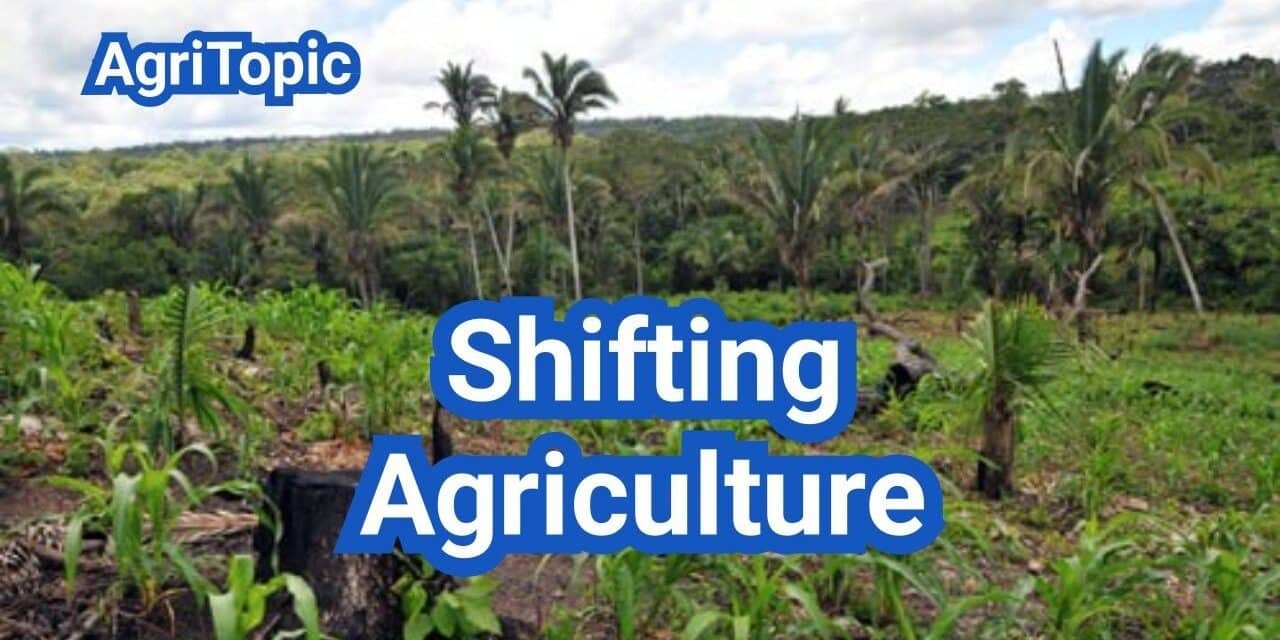
Quick Answer: Shifting agriculture is practiced mainly in humid tropical regions of Africa, Southeast Asia, and Latin America; it is not a mainstream U.S. farming system. Typical crops include upland rice, maize, cassava, yams, and plantains. Long fallows can support low-input food production, while shortened cycles increase soil-fertility loss, erosion, and forest degradation.
This guide takes readers beyond the basic definition of shifting agriculture by explaining how land suitability, clearing methods, rotation planning, fallow management, tools, and agroforestry shape real outcomes. It also shows how to distinguish well-managed traditional systems from stressed short-cycle cultivation and evaluate the practice responsibly.
Key Takeaways
- Shifting agriculture is also called shifting cultivation, swidden farming, or slash-and-burn agriculture.
- It is most common in tropical and subtropical regions with forest or woodland vegetation.
- The system depends on clearing land, short-term cropping, and a fallow period for soil recovery.
- Common shifting cultivation crops include rice, maize, cassava, yams, millet, vegetables, and local food crops.
- The main pros are low external inputs, local food production, and natural soil recovery when fallow periods are long enough.
- The main cons include deforestation risk, smoke, biodiversity loss, and soil decline when fallow periods become too short.
What Is Shifting Agriculture or Shifting Cultivation?
At its core, the Shifting Agriculture Definition centers on the strategic rotation of cultivated plots to maintain long-term soil health. This method relies on a cycle where only a small portion of available land is actively farmed at any given time. The remaining majority of the area is left to undergo natural re-growth, allowing the ecosystem to restore its nutrient balance.
Defining Shifting Cultivation in Agriculture
The primary process of this farming style involves clearing a patch of land, planting crops for a few seasons, and then moving to a new site. This allows the original plot to return to its natural state of vegetation. By rotating fields, farmers prevent the total depletion of soil minerals that often occurs in permanent, intensive farming systems.
- Active Cultivation: Short-term use of land for food production.
- Fallow Period: A critical phase where the land rests and recovers.
- Nutrient Cycling: Natural restoration of soil fertility through forest regeneration.
Historical Development and Cultural Significance
For centuries, shifting cultivation has served as a cornerstone for many indigenous societies across the globe. This traditional land use is deeply embedded in the cultural identity of communities that view the forest as a living partner rather than a static resource. Historically, these groups developed sophisticated knowledge of local plant life and seasonal patterns to ensure their survival.
The shifting agriculture meaning extends beyond simple food production; it represents a social contract with the environment. Communities often manage these lands collectively, ensuring that the cultivated areas do not exceed the carrying capacity of the local ecosystem. This historical wisdom continues to inform how we view sustainable land management today.
The Role of Traditional Land Use in Modern Contexts
In a modern context, the shifting cultivation in agriculture is often re-evaluated for its potential to support biodiversity. While global food demands have changed, the core principles of this agricultural practice offer valuable lessons for regenerative farming. Many experts now look at how these methods can be adapted to improve soil health in degraded landscapes.
Integrating these ancient techniques into contemporary farming systems requires a careful balance. It is not about returning to the past, but rather applying the definition of sustainability to current challenges. By respecting the natural rhythm of the land, modern producers can create more resilient food systems that thrive without heavy reliance on synthetic inputs.
Shifting Agriculture Description: How the System Works
Shifting agriculture works through a repeating cycle of clearing, planting, harvesting, and resting the land. Farmers usually clear a small plot, grow crops for one or more seasons, and then move to a new plot while the previous field enters a fallow period.
The fallow period is the key part of shifting agriculture because natural vegetation returns and helps rebuild soil organic matter, nutrient cycling, and ground cover. When communities have enough land and the fallow period is long, the system can support food production with few purchased inputs.
Geographical Distribution of Shifting Cultivation
The geographical distribution of shifting cultivation is mainly linked to tropical and subtropical regions where forest, woodland, or dense vegetation can regrow after land is rested. It has been practiced in parts of South and Southeast Asia, Central and West Africa, the Amazon Basin, Central America, and some island regions.
Shifting agriculture is especially associated with indigenous and rural communities that rely on local land, seasonal rainfall, and traditional ecological knowledge. However, its distribution has changed in many areas because of population pressure, forest policies, permanent farming, land tenure changes, and conservation rules.
Climate and Regions Where Shifting Agriculture Is Practiced
Shifting agriculture is most common in warm, humid, tropical climates where rainfall supports forest regrowth and crop production. These climates often allow vegetation to recover during the fallow period, which is why the system is closely connected with forested landscapes rather than dry, intensively irrigated farmland.
The climate of shifting agriculture matters because rainfall, temperature, soil type, and vegetation recovery affect how long a field can be cropped and how long it needs to rest. In regions where fallow periods become shorter, soil fertility may decline faster and the environmental pressure of shifting cultivation can increase.
Crops and Products Grown in Shifting Cultivation
Common crops and products in shifting cultivation vary by region, but they often include rice, maize, millet, cassava, yams, plantains, beans, vegetables, spices, and local subsistence crops. In many communities, the goal of shifting agriculture is household food security rather than large-scale commercial production.
Some shifting agriculture systems also include mixed cropping, fruit trees, forest products, and agroforestry elements. This diversity can reduce risk for small farmers, especially in remote areas where market access, fertilizers, machinery, and irrigation are limited.
Pros and Cons of Shifting Agriculture
The main pros of shifting agriculture include low input costs, local food production, crop diversity, and natural soil recovery when fallow periods are long enough. For some indigenous and rural communities, the system also preserves traditional knowledge and supports a flexible way of using land across seasons.
The main cons of shifting agriculture appear when land becomes limited and fallow periods are shortened. In that case, the system can contribute to soil nutrient loss, forest degradation, smoke from burning, biodiversity decline, and lower long-term productivity.
Assessing Land Suitability for Rotational Farming

Effective land management starts with a deep understanding of local ecological conditions. Farmers must carefully evaluate their surroundings to ensure that the chosen plot can support a productive agricultural process without causing permanent damage to the ecosystem.
Site Selection Criteria for Swidden Farming
When preparing for Swidden farming, the proximity of the plot to the village remains a primary concern. Farmers typically prioritize locations that are accessible yet far enough to allow for natural forest regeneration.
Several factors influence the final decision during this phase:
- Topography: Gentle slopes are preferred to prevent excessive soil erosion during heavy rains.
- Water Access: Proximity to natural water sources ensures that the cultivated crops receive adequate moisture.
- Accessibility: Paths must be clear enough to transport tools and harvested goods back to the community.
Evaluating Soil Health and Vegetation Density
The health of the soil is the heartbeat of any successful farming system. Experienced practitioners look for specific indicators within the vegetation to determine if the land has recovered sufficiently from its previous cycle.
Dense, diverse plant growth often signals that the soil has regained its nutrient profile. If the vegetation consists of hardy, secondary-growth species, it suggests the land is ready for a new round of shifting cultivation.
Mapping Indigenous Farming Systems for Sustainable Planning
Indigenous farming systems rely on generations of passed-down knowledge to map out the landscape. These traditional methods involve identifying specific zones that are suitable for different types of crops based on sunlight exposure and soil drainage.
By documenting these patterns, communities can create a sustainable agriculture plan that rotates plots effectively. This strategic approach ensures that the land remains fertile for future generations while maintaining the delicate balance of the local environment.
Essential Land Clearing Methods and Burning Techniques
The transformation of wild vegetation into a productive farm requires careful planning and execution. This agricultural process is fundamental to the success of the entire growing season. By clearing the land effectively, farmers create the necessary space for crops to thrive in a nutrient-rich environment.
Traditional Slash-and-Burn Agriculture Practices
Slash-and-burn agriculture remains a primary method for preparing plots in many rural regions. Farmers manually cut down trees and shrubs, allowing the vegetation to dry under the sun. Once the material is sufficiently desiccated, it is carefully burned to clear the area for planting.
This method is highly effective for managing dense growth in remote areas. It allows for the rapid conversion of wild land into cultivated plots without the need for heavy machinery. Local knowledge plays a vital role in determining which areas are best suited for this type of farming.
Timing and Safety Protocols for Controlled Burning
Timing is the most critical factor when performing a controlled burn. Farmers must wait for a period of dry weather to ensure the vegetation burns completely, yet they must avoid high-wind conditions that could spread fire uncontrollably. Establishing firebreaks around the perimeter of the land is a mandatory safety step to protect surrounding forests.
Safety protocols often involve working in small teams to monitor the fire constantly. If the flames move too quickly, the team must be prepared to extinguish them immediately. This disciplined approach prevents accidental wildfires and ensures that the burning remains contained within the designated agricultural boundaries.
Managing Biomass for Soil Enrichment
The aftermath of a controlled burn provides significant benefits to the soil. The resulting ashes are rich in potash, which acts as a natural fertilizer for the upcoming crops. By spreading this biomass evenly across the field, farmers replenish essential nutrients that were depleted during previous cycles.
Proper management of this organic matter is key to maintaining long-term soil health. When handled correctly, the shifting cultivation system remains a sustainable way to produce food. The following table outlines the primary differences between traditional clearing methods.
| Method | Primary Benefit | Safety Level |
|---|---|---|
| Manual Clearing | High soil preservation | Very High |
| Controlled Burning | Natural nutrient boost | Moderate |
| Mechanical Clearing | Speed and efficiency | High |
Shifting Agriculture Tools and Modern Technology

Shifting agriculture requires a unique blend of time-tested hand tools and contemporary technology to succeed. Finding the right balance between these two worlds allows farmers to manage their land effectively while respecting the natural environment. By upgrading the toolkit, practitioners can improve the overall agricultural process without compromising the health of the soil.
Traditional Hand Tools Used in Swidden Farming | Shifting Agriculture
For generations, farmers have relied on simple yet highly effective implements to clear dense vegetation. These tools are designed for portability and precision in rugged terrain where heavy machinery cannot reach. Common items include:
- Axes: Essential for felling large trees and clearing primary growth.
- Machetes: Used for cutting smaller brush and maintaining paths.
- Digging sticks: Simple tools used to plant seeds without disturbing the soil structure.
These traditional Shifting Agriculture Tools remain the backbone of the practice. They allow for selective clearing, which helps preserve the surrounding ecosystem during the initial stages of cultivation.
Integrating Modern Agricultural Technology for Efficiency
While hand tools are vital, Shifting Agriculture Technology is increasingly being integrated to boost productivity. Modern innovations help farmers save time and energy during the most labor-intensive phases of the farming cycle. Precision tools, such as lightweight chainsaws or improved planting devices, can significantly reduce the physical strain on the workforce.
Adopting these technologies allows for a more controlled approach to land management. When used correctly, they ensure that the cultivated area remains productive for longer periods. This integration is a major step toward stabilizing yields in a changing climate.
Adapting Tools for Sustainable Land Clearing
Adapting tools for sustainable land clearing is about minimizing the footprint left on the local landscape. Farmers are now encouraged to use equipment that prevents deep soil compaction and erosion. By choosing the right gear, they can protect the biodiversity of the forest while still meeting their food production goals.
The goal is to ensure that every piece of equipment serves a purpose that supports long-term agriculture sustainability. Through careful selection and maintenance, farmers can keep their systems resilient and productive for future generations.
Planning Crop Rotation Cycles and Planting Strategies
Designing a productive agricultural cycle involves balancing crop selection with the natural rhythms of the land. Effective Rotational cropping requires careful observation of the local environment to ensure that the soil remains fertile over time. By planning ahead, farmers can maintain a steady food supply while protecting the integrity of the ecosystem.
Selecting Staple Food Crops for Diverse Climates
Choosing the right crops is the first step in any successful agricultural process. Farmers must select varieties that are well-adapted to their specific climate and soil conditions. This ensures that the cultivated plants can thrive even when weather patterns fluctuate.
In many regions, staple crops like cassava, yams, or upland rice serve as the foundation of the diet. These plants are often chosen for their resilience and ability to grow in varied vegetation zones. Matching the crop to the specific needs of the land is essential for long-term success.
Implementing Intercropping and Multi-Layered Systems | Shifting Agriculture
Intercropping is a powerful technique used to increase biodiversity within a single plot. By growing different species together, farmers can maximize the use of sunlight and nutrients. This farming method mimics natural forest structures, which helps to prevent soil erosion.
“The diversity of the field is the best insurance against the uncertainty of the harvest.”
Traditional Farming Wisdom
Multi-layered systems allow for a more efficient use of space. Taller plants provide shade for smaller, shade-tolerant crops, creating a balanced microclimate. This shifting approach to cultivation ensures that the land remains productive throughout the entire growing season.
The Importance of Nitrogen-Fixing Plants
Maintaining soil health is a critical part of the agriculture cycle. Nitrogen-fixing plants, such as legumes, are often integrated into the planting strategy to naturally replenish soil nutrients. These plants capture nitrogen from the air and store it in the soil, benefiting future crops.
Farmers often protect these beneficial species during fallow periods to restore the land. This local practice is a cornerstone of sustainable land management. By prioritizing soil recovery, producers ensure that their agricultural systems remain viable for generations to come.
Managing Fallow Land for Soil Fertility Restoration

Fallow agriculture serves as a vital restorative process for maintaining long-term land productivity. During this phase, the soil replenishes its nutrient levels, allowing the ecosystem to recover from previous cycles of shifting cultivation. Proper management of this resting period ensures that the land remains viable for future generations.
Determining Optimal Fallow Periods
The duration of the fallow period is a critical factor in successful agricultural planning. In some regions, it may take up to twenty years for farmers to allow a former site to return to its pre-cropping state by leaving it unattended. This extended timeframe allows the local environment to fully recover its natural structure.
Farmers must evaluate the specific needs of their land before deciding to resume farming activities. Factors such as soil composition and climate patterns dictate how long a plot needs to rest. Shortening this cycle prematurely can lead to soil degradation and reduced yields.
Enhancing Natural Regeneration of Forest Cover | Shifting Agriculture
Active management can significantly speed up the recovery of vegetation on fallow plots. By protecting the area from grazing animals and preventing accidental fires, farmers encourage the return of native plant species. This process helps restore the organic matter necessary for healthy, cultivated soil.
Strategic planting of fast-growing native trees can also assist in stabilizing the ground. These trees provide shade and leaf litter, which act as natural fertilizers. This approach ensures that the agriculture system remains resilient and productive over time.
Monitoring Fallow Land Health and Biodiversity
Regular observation of fallow sites is essential for sustainable cultivation management. Farmers should track the return of diverse plant life and soil organisms to gauge the health of the ecosystem. High levels of biodiversity often indicate that the land is nearing its full recovery potential.
Monitoring allows for data-driven decisions regarding when to reintroduce crops. By keeping detailed records of farming cycles, communities can protect their natural resources. This commitment to monitoring ensures that Fallow agriculture remains a cornerstone of sustainable land use.
Integrating Agroforestry with Shifting Cultivation
Merging agroforestry with traditional shifting cultivation creates a robust framework for long-term land productivity. This approach allows farmers to protect the tree canopy while simultaneously producing essential crops. By combining these methods, the agricultural process becomes more resilient against climate variability and soil degradation.
Designing Multi-Purpose Species Selection | Shifting Agriculture
Selecting the right vegetation is critical for a successful integrated system. Farmers should prioritize species that offer multiple benefits, such as food production, timber, and natural soil enrichment. This strategy ensures that the cultivated area remains productive even during fallow periods.
When choosing species for your local environment, consider the following categories:
- Fruit-bearing trees: Provide immediate food security and market value.
- Leguminous shrubs: Fix nitrogen in the soil to boost future crop yields.
- Timber species: Offer long-term economic returns and structural stability for the land.
Complementary Tree Species for Long-Term Management
The success of this farming model depends on how well tree species complement one another. By selecting trees with different root depths and canopy structures, you can maximize the use of sunlight and nutrients. This synergy prevents competition between crops and trees, ensuring a healthy balance across the landscape.
Effective management involves monitoring the growth patterns of your chosen vegetation. Long-term sustainability is achieved when the trees provide a permanent cover that shields the soil from erosion. This protective layer is a hallmark of high-quality agriculture that respects natural cycles.
Transitioning Traditional Systems to Sustainable Agroforestry
Moving toward Forest farming requires a gradual shift in how land is managed. Instead of clearing entire plots, farmers can selectively retain valuable trees during the initial clearing phase. This transition preserves the existing ecosystem while allowing for the introduction of new, beneficial species.
Implementing these changes helps stabilize the shifting cycle and reduces the need for frequent land movement. As the system matures, it becomes a self-sustaining landscape that supports both human needs and environmental health. Adopting these practices ensures that your land remains fertile and productive for future generations.
Types of Shifting Agriculture Systems Worldwide

Shifting agriculture manifests in diverse forms across the globe, reflecting the unique environmental and cultural needs of local populations. These systems demonstrate how human societies adapt their agricultural process to the specific constraints of their immediate surroundings. By observing these variations, we gain insight into the resilience of traditional land management.
Swidden Agriculture in Southeast Asia
In the humid tropical regions of Southeast Asia, swidden agriculture remains a vital practice for many indigenous communities. A prominent example is Jhum farming, which involves clearing small forest patches to create temporary plots. Once the vegetation is cleared and burned, the nutrient-rich ash provides a natural fertilizer for the crops.
This method allows the land to recover after a period of being cultivated. Farmers carefully rotate their plots to ensure that the forest can regenerate effectively. This cycle is essential for maintaining the long-term health of the local ecosystem.
Slash-and-Burn Practices in South America | Shifting Agriculture
Across the vast landscapes of South America, Slash-and-burn agriculture is a traditional technique used to manage forest vegetation. This system is often misunderstood, yet it serves as a sophisticated way to handle nutrient-poor tropical soils. By burning biomass, farmers release essential minerals back into the earth, supporting a variety of food crops.
The success of this farming style depends on the timing of the burn and the length of the fallow period. When managed correctly, it creates a mosaic of different successional stages in the forest. This diversity helps protect local biodiversity while providing food security for the community.
African Shifting Cultivation Systems and Transhumance
African shifting cultivation systems are deeply integrated with the social and environmental fabric of the continent. In many areas, this involves a combination of fixed-plot farming and transhumance, where livestock are moved seasonally to find fresh grazing land. This mobility allows the land to rest and prevents overgrazing in sensitive areas.
These systems highlight the importance of flexibility in agricultural management. By moving between different zones, farmers can optimize their use of available resources. This dynamic approach ensures that both the soil and the vegetation remain productive for future generations.
Environmental Impacts and Biodiversity Conservation Benefits
When managed with care, traditional farming methods offer surprising benefits for our planet’s biodiversity. While often criticized, Shifting Agriculture Benefits become clear when the process is practiced sustainably within a local context. By allowing the land to rest, farmers help maintain the natural balance of the environment.
Carbon Sequestration Potential in Rotational Systems
Rotational agriculture plays a vital role in carbon storage. During the fallow period, fast-growing vegetation captures atmospheric carbon dioxide at a rapid rate. This natural cycle effectively turns fallow plots into temporary carbon sinks.
“The restoration of forest cover on abandoned agricultural land is one of the most effective ways to mitigate climate change at a local level.”
Mitigating Negative Environmental Effects | Shifting Agriculture
To ensure the cultivated land remains healthy, farmers must implement specific strategies to prevent degradation. Proper site selection and controlled burning techniques are essential to minimize soil erosion. These practices protect water quality and prevent the runoff of nutrients into nearby streams.
- Terracing: Reduces soil loss on sloped terrain.
- Cover Cropping: Protects the soil surface during heavy rains.
- Buffer Zones: Maintains water purity near agricultural sites.
Promoting Ecosystem Resilience through Traditional Methods
Secondary forests created by this shifting cultivation process are often richer in plant and animal resources than primary forests. This diversity provides a stable foundation for local wildlife and human communities alike. By respecting the natural rhythm of the land, traditional systems foster a resilient landscape that can withstand environmental stressors.
Ultimately, the integration of ancient wisdom with modern agricultural insights creates a sustainable path forward. Protecting these diverse ecosystems ensures that the land remains productive for future generations. This holistic approach is key to long-term environmental health.
Overcoming Challenges in Modern Shifting Agriculture

Sustainable shifting cultivation must evolve to meet the demands of a modern, interconnected world. While these traditional methods have supported communities for generations, they now face unprecedented pressures from global changes. Adapting the agricultural process is vital to ensure that these systems remain viable for future generations.
Addressing Land Pressure and Population Growth | Shifting Agriculture
Rapid population growth in many regions has significantly increased the demand for food. This expansion often forces farmers to shorten fallow periods, which prevents the vegetation from fully recovering. When land is cultivated too frequently, soil exhaustion becomes a major risk to long-term productivity.
To combat this, many communities are exploring ways to intensify production without destroying the soil. By integrating better nutrient management, farmers can maintain yields even when the land is used more intensively. Protecting the health of the land remains the primary goal of these efforts.
Transitioning from Subsistence to Market-Oriented Farming
Moving from a purely subsistence model to a market-oriented system offers new economic opportunities for local farmers. This transition requires access to better infrastructure and fair trade networks. When farmers can sell their surplus, they gain the capital needed to invest in more efficient farming tools.
However, this shift must be managed carefully to avoid over-exploitation of natural resources. Balancing profit with ecological health is the hallmark of a successful agriculture strategy. By focusing on high-value crops, farmers can improve their livelihoods while preserving the traditional knowledge that defines their culture.
Policy Frameworks for Sustainable Land Management
Effective policy frameworks are essential to support the rights of those who practice traditional shifting methods. Governments must recognize the importance of secure land tenure to encourage long-term stewardship. Without legal protection, farmers are less likely to invest in the sustainable practices that keep the ecosystem resilient.
Policies should also promote the exchange of knowledge between researchers and indigenous practitioners. When local expertise is combined with modern science, the resulting cultivation systems become much more robust. Ultimately, supportive governance ensures that the agricultural landscape remains productive and diverse for years to come.
Case Studies: Successful Shifting Agriculture Examples
Successful land rotation strategies offer valuable insights into balancing human needs with environmental preservation. By analyzing specific Shifting Agriculture Examples, we can identify methods that maintain soil health while supporting local populations. These models prove that the agricultural process can be both productive and ecologically sound when managed with care.
Revitalizing Jhum farming practices
Jhum farming, a traditional form of shifting cultivation, is seeing a resurgence in parts of Northeast India. Modern practitioners are now integrating scientific soil testing to ensure that the cultivated plots recover fully before reuse. This hybrid approach helps maintain the natural vegetation balance while increasing crop yields for local families.
Community-led forest farming initiatives | Shifting Agriculture
In many tropical regions, Forest farming has become a cornerstone of community-led conservation. Local groups work together to manage land parcels, ensuring that clearing methods do not lead to permanent deforestation. By sharing the labor and the harvest, these communities create a resilient system that protects biodiversity while providing food security.
Lessons from indigenous land rotation systems
History provides us with critical lessons regarding the limits of agriculture. For instance, the decline of the Mayan civilization is sometimes attributed to the exhaustion of agricultural land due to intensive, non-rotational practices. This serves as a reminder that the farming cycle must respect the time required for natural regeneration.
Indigenous systems that have survived for generations prioritize long-term stability over short-term gains. These local systems demonstrate that when the land is treated as a living partner, it can sustain human life indefinitely. Adopting these time-tested principles is essential for the future of sustainable agricultural development.
How to Implement Shifting Agriculture Sustainably

Establishing a productive rotational plot starts with understanding the delicate rhythm of your local ecosystem. Implementing Sustainable shifting cultivation requires a structured approach to land management that respects natural cycles while maximizing output. By following a clear roadmap, farmers can ensure their agricultural efforts remain productive for years to come.
Step-by-Step Guide to Establishing a Rotational Plot
The first step in this process involves careful site selection. You must identify areas where the vegetation has reached a mature stage, indicating that the soil has regained its nutrient density. Once the site is chosen, clearing should be done with minimal disturbance to the surrounding forest structure.
After clearing, planting should focus on diverse crop varieties that thrive in your specific climate. Farming in this manner allows for a natural transition between the cultivated phase and the fallow period. Always ensure that your planting schedule aligns with seasonal rainfall patterns to optimize growth.
Best Practices for Soil Conservation and Recovery
Providing farmers with high-quality education helps them understand the effects of shifting cultivation and adopt better soil conservation techniques. Using cover crops during the off-season prevents erosion and helps maintain moisture levels in the land. These simple interventions significantly improve the long-term health of the soil.
“True stewardship of the earth is found in the balance between what we take and what we return to the soil through careful, patient management.”
— Traditional Land Management Expert
Maintaining soil fertility is the cornerstone of successful agriculture. By integrating organic matter back into the earth, you create a resilient foundation for future harvests. The following table highlights the key differences between traditional and improved rotational systems.
| Feature | Traditional Method | Sustainable Approach |
|---|---|---|
| Clearing Intensity | High impact | Low impact |
| Soil Protection | Minimal | Cover crops used |
| Fallow Management | Passive | Active enrichment |
Long-Term Strategies for Sustainable Yields | Shifting Agriculture
To achieve lasting success, you must view your land as a living system rather than a static resource. Monitoring biodiversity within your plots ensures that the farming environment remains balanced and productive. Consistent observation allows you to adjust your techniques based on the specific needs of the soil.
Finally, focus on building a system that supports both your immediate needs and the health of the environment. By prioritizing Sustainable shifting cultivation, you protect the integrity of the agricultural process. This commitment ensures that your cultivated plots continue to provide for your community for generations.
At The End of: Shifting Agriculture Guide
Shifting cultivation remains a highly adaptive and sophisticated system when managed with deep local knowledge. This agricultural process relies on the wisdom of communities to maintain the balance between human needs and the natural environment.
Successful farming requires a commitment to the health of the land. By blending traditional techniques with modern conservation methods, producers protect the biodiversity of the vegetation found in their regions. This approach ensures that every cultivated plot remains productive for future generations.
The future of sustainable agriculture depends on our ability to integrate these time-tested practices into contemporary frameworks. Organizations like the Food and Agriculture Organization of the United Nations continue to highlight the importance of these systems in global food security. Embracing these methods allows us to respect the history of the earth while meeting the demands of a growing population.
Engage with your local agricultural extension office to learn more about sustainable land use in your area. Sharing knowledge about these resilient systems helps preserve vital ecosystems. Your interest in responsible stewardship makes a lasting impact on the health of our planet.
FAQ
Is shifting agriculture the same as slash-and-burn?
Shifting agriculture and slash-and-burn are closely related, but they are not always identical. Burning is one field-preparation method inside the wider system, while the full method also includes plot rotation, mixed cropping, and the long fallow phase that allows vegetation to return. EPA open burning overview
Is shifting agriculture sustainable?
Shifting agriculture can be relatively sustainable when land is abundant, fallow is long, and the cropping period is short, but it becomes much less stable when farmers are forced into short rotations. The same basic lesson appears in modern U.S. soil-health work: soil cover, living roots, and lower disturbance are what keep productivity resilient over time. USDA Climate Hubs
What crops are usually grown in shifting agriculture?
Shifting agriculture often uses mixed plantings rather than a single crop, with combinations that may include upland rice, maize, beans, cassava, yam, banana, squash, peppers, ginger, and other locally adapted foods. Mixed cropping matters because it spreads harvest timing, lowers risk, and helps households get more value from a short cultivation window. SARE
Is shifting agriculture practiced in the United States?
Shifting agriculture is not a standard commercial U.S. farming system today, although some of its underlying ideas can be seen in rotational thinking, tree-crop integration, and land-rest practices. In U.S. agriculture, those goals are usually pursued through systems such as alley cropping, silvopasture, forest farming, buffers, and other lower-disturbance agroforestry models.
Can a farmer use fire as part of land preparation?
Shifting agriculture should never be treated as a free pass to burn whenever convenient, because prescribed fire on U.S. land normally requires planning, trained oversight, and compliance with state or local rules. In many places, even legally allowed agricultural burning still depends on permits, timing windows, safety equipment, and smoke-management decisions. Mississippi State Extension
What is the primary shifting agriculture definition in a modern context?
Shifting agriculture, often referred to as swidden agriculture or rotational cultivation, is a traditional farming practice where land is cleared, typically through slash-and-burn cultivation, and farmed for a short period. Once the soil fertility declines, the plot is left fallow to undergo natural regeneration while the farmer moves to a new area. This land rotation system is a core component of many indigenous farming systems worldwide.
How does slash-and-burn farming contribute to soil fertility restoration?
In slash-and-burn agriculture, the vegetation is cut down and burned to clear the site. The resulting ash acts as a natural fertilizer, providing a quick release of nutrients like potassium and calcium to the soil. When managed with long fallow periods, this land-clearing method supports sustainable land use by allowing the soil to recover its organic matter and nutrient profile naturally before the next cycle of rotational farming.
What is the difference between shifting cultivation and nomadic agriculture?
While both are forms of migratory agriculture, they differ in their focus. Shiftingcultivation involves rotating the specific plots of land used for crops while the settlement may remain relatively permanent. In contrast, nomadic agriculture and nomadic farming involve the movement of entire communities and their livestock in search of fresh pastures, a practice often linked to transhumance farming or peripatetic farming.
What are some global shifting agriculture examples?
Common examples include jhum farming in Northeast India, swidden farming in Southeast Asia, and various slash-and-burn practices across the Amazon Basin in South America. In Africa, many subsistence farming practices utilize forest fallow farming to maintain yields in tropical environments where soil nutrients are easily leached.
Why is intercropping important in a rotational cropping system?
Intercropping involves growing two or more crops in the same space simultaneously. In shifting cultivation in agriculture, this practice increases biodiversity, reduces the risk of total crop failure, and optimizes nutrient use. Farmers often include nitrogen-fixing plants to naturally enhance soil health, which is a vital part of sustainable shifting cultivation.
How does the shifting agriculture process benefit biodiversity conservation?
When practiced at low intensities, shifting agriculture creates a mosaic of different habitats at various stages of regrowth. This landscape heterogeneity supports a wide variety of flora and fauna, contributing to biodiversity conservation benefits and high carbon sequestration potential during the regrowth of the forest fallow.
What shifting agriculture tools and technology are commonly used?
Traditionally, shifting agriculture tools include simple hand implements like machetes, hoes, and digging sticks. However, modern shifting agriculture technology is evolving to include more efficient land-clearing methods and improved seed varieties. The goal is to integrate these innovations without disrupting the traditional farming methods that ensure sustainable land management.
What is the role of agroforestry in revitalizing the practice of shifting cultivation?
Agroforestry techniques involve integrating trees and shrubs into crop and livestock systems. By integrating agroforestry with shifting cultivation, farmers can transition toward more permanent forest farming. This approach uses multi-purpose species selection to provide timber, fruit, and soil protection, helping to mitigate the environmental impacts of shifting agriculture while increasing food security.
How is fallow land management evolving in response to land pressure?
As population growth increases land pressure, the traditional long fallow periods are often shortened. To combat this, modern fallow land management techniques focus on “improved fallows,” where fast-growing nitrogen-fixing plants are deliberately sown to accelerate soil fertility restoration, ensuring the rotational agriculture cycle remains viable even with higher land use intensity.
Can shifting agriculture be considered a form of sustainable land management?
Yes, many experts, such as Dr. Dhrupad Choudhury, argue that shifting cultivation is a sophisticated traditional land use system that is highly sustainable when land-to-population ratios are balanced. It is an extensive farming method that respects ecological limits and promotes ecosystem resilience through rotational cultivation and natural cycles of decay and regrowth.
Conclusion of: Shifting Agriculture
Shifting agriculture is a land-use system in which a farmer clears a small plot, grows crops for a short period, and then leaves that plot fallow while moving production to another area. The system is most often linked with tropical uplands, smallholder subsistence farming, and mixed cropping, and it works best only when fallow periods are long enough to rebuild vegetation and soil fertility. FAO
What is shifting agriculture?
Shifting agriculture is usually defined by four core features: vegetation is cut, plant residue is often burned, crops are grown for a limited number of seasons, and the field is then left to regenerate before being used again. In practice, this makes it very different from permanent field farming, because soil recovery depends less on purchased inputs and more on time, regrowth, and careful rotation across the landscape. FAO case study
Shifting agriculture developed in places where farmers had access to land but limited access to tractors, irrigation, synthetic fertilizer, or year-round market infrastructure. It has historically served as a practical way to turn forest or bush biomass into a short burst of crop fertility, especially for subsistence households growing staple foods on difficult upland terrain. FAO Soils Bulletin
Where shifting agriculture is most commonly found
Shifting agriculture is most strongly associated with humid and sub-humid tropical regions, especially rain-fed uplands where slopes, forest cover, and seasonal rainfall shape how land can be farmed. In many of these areas, farmers plant upland rice alone or together with maize, beans, cassava, banana, yam, or other crops, depending on local ecology and food habits. FAO upland rice guidance
How shifting agriculture works
Shifting agriculture follows a repeating cycle rather than a one-time clearing event. A typical sequence includes site selection, cutting, drying, burning, planting, weeding, harvesting, and then a long fallow period during which natural vegetation returns and the field gradually rebuilds biomass, shade, root activity, and nutrient reserves. FAO Forestry Note
Shifting agriculture only stays relatively stable when the fallow phase is longer than the cropping phase by a wide margin. Once population pressure, land scarcity, or policy restrictions shorten that rest period too much, the system usually becomes less productive, more erosion-prone, and much harder to defend economically or environmentally. FAO STI Portal
Types of shifting agriculture
Shifting agriculture does not look the same everywhere, so the most practical way to classify it is by fallow length, vegetation type, and local tradition. Long-fallow forest systems, shorter bush-fallow systems, and named regional forms such as jhum in South Asia, milpa in Mesoamerica, and tsheri in Bhutan all fit under the same broad idea, even though their crop mixes, labor calendars, and ecological results can differ a lot. FAO milpa example
Shifting agriculture can also be grouped by whether it is still functioning as a traditional landscape system or has been pushed into a stressed short-fallow version. That distinction matters because many modern debates confuse well-managed long-fallow systems with degraded systems where land recovery time has already collapsed and household food security is getting worse. CIFOR-ICRAF
Technology and tools used in shifting agriculture
Shifting agriculture relies less on expensive machinery and more on ecological timing, local knowledge, and labor coordination. The real “technology” is often the management logic itself: knowing when biomass is dry enough to burn safely, how to mix crops so harvests are staggered, how to use ash effectively, and how long a plot must rest before it can produce again without rapid decline. World Agroforestry
Shifting agriculture is commonly carried out with simple tools such as machetes, axes, digging sticks, hoes, seed bags, and hand weeding tools, but fire management is where the risk rises sharply. Once burning is involved, even small-scale field preparation requires attention to weather, firebreaks, trained supervision, and local permitting rules if the work is being done in regulated settings. NRCS prescribed burning standard
Benefits of shifting agriculture
Shifting agriculture can offer real advantages when land pressure is low and fallow periods are still long enough to restore the site. In those conditions, the system can reduce the need for purchased fertilizer, support mixed cropping, spread household harvest risk, and use natural succession as part of the production model rather than treating regrowth as waste. USDA agroforestry
Shifting agriculture also has clear limits, especially when farmers are forced to crop too frequently on slopes or fragile soils. Once cover is lost for too long, erosion, nutrient leakage, weed invasion, smoke problems, and lower yields become harder to avoid, which is exactly why modern soil-health systems place so much value on keeping the ground covered and roots active for more months of the year. NRCS soil health
Shifting agriculture in U.S. context
Shifting agriculture is rarely a good fit for commercial U.S. farming because American producers usually operate under tighter land economics, stricter smoke and fire rules, heavier machinery systems, and a stronger need for repeatable field productivity year after year. Even where burning is legally allowed, air-quality oversight and local rules often shape what can be burned, when it can be burned, and how the burn must be managed. EPA
Shifting agriculture is therefore better understood in the United States as a study topic or a historical comparison point than as a mainstream production strategy. Most U.S. farms that want better soil recovery now lean toward crop rotation, cover crops, residue retention, no-till or reduced tillage, contour farming, and agroforestry because those approaches protect soil while keeping land in an economically usable rotation. USDA soil health
Quick checklist
Shifting agriculture should be evaluated as a whole-landscape system, not just as a quick way to clear ground for one crop. Before anyone studies, compares, or discusses the method seriously, these checkpoints help reveal whether the system is operating in a relatively stable form or in a stressed and declining one. USDA AMS
- Make sure there is enough land available for a genuinely long fallow period, not just a short pause between crops.
- Check slope, rainfall intensity, and erosion risk before assuming a burned field will remain productive.
- Confirm whether the system is subsistence-oriented, market-oriented, or a mix of both.
- Look at labor availability for cutting, drying, burning, sowing, weeding, and guarding the crop.
- Verify that local fire and smoke rules allow any clearing or burning activity at all.
- Assess whether ash is the only fertility source or whether farmers also use manure, mulch, or other inputs.
- Note whether crops are planted as a mixed polyculture or as a narrow monocrop.
- Check for weed pressure, because weed takeover often drives abandonment faster than soil exhaustion alone.
- Review whether regrowth after harvest is actually happening or whether the site is degrading into poorer vegetation.
- Compare the system against lower-disturbance alternatives such as cover crops, contour planting, and agroforestry.
Common mistakes to avoid
Shifting agriculture is frequently misunderstood because people either romanticize it as automatically sustainable or dismiss it as automatically destructive. In reality, the biggest failures usually happen when the method is copied without the land base, fallow time, ecological knowledge, or regulatory conditions that originally made it function. NRCS soil health management
- Shortening the fallow too much, which leaves too little time for biomass and nutrient recovery.
- Burning without a written plan, permit, weather check, or firebreaks.
- Treating ash as a complete fertilizer instead of a temporary nutrient pulse.
- Clearing steep slopes without any erosion-control strategy.
- Ignoring weeds, which can become the main reason a field is abandoned early.
- Using the same crop mix on every site without matching it to rainfall, slope, and soil depth.
- Assuming a tropical smallholder practice will transfer directly to U.S. commercial acreage.
- Judging the system only during the crop year and forgetting that fallow management is part of production.
Costs and ROI snapshot
Shifting agriculture does not have a single national U.S. budget because it is not a standard American field system, but U.S. custom-rate data still help show the cost pressure behind its clearing phase. As rough proxies, Iowa custom rates list controlled burning of grass, CRP, or pasture at about $20 to $60 per acre and brush chopping at roughly $25 to $200 per acre, which shows how quickly the preparation step alone can become expensive before seed, labor, or erosion control are added. Iowa State custom rates
Shifting agriculture also tends to produce weak ROI logic for most U.S. farms once heavy equipment, labor, regulatory compliance, and short productive windows are counted together. Missouri custom data show land clearing jobs around $120 to $300 per hour, and once that kind of cost is paired with only one or two crop years before recovery is needed, modern alternatives such as no-till rotation, cover crops, or tree-based systems usually deliver a steadier return on working land.
Final thought
Shifting agriculture is best understood as a landscape strategy built around short cropping and long recovery, not simply as a burning practice. For U.S. readers, its biggest value is often educational: it shows why soil cover, rotation, fallow management, and tree-crop integration matter, while also making clear why modern conservation systems usually outperform it on American working farms. USDA ERS
Sources & References
- Britannica — Shifting Agriculture
- FAO — Shifting Cultivation
- FAO — Changes in Shifting Cultivation in Africa
- FAO — Changes in Shifting Cultivation in Africa: Seven Case Studies
- FAO — Shifting Cultivators
- FAO — Quesungual and Kuxur Rum Agroforestry Systems
- Nature — Shifting Agriculture and Forest Disturbance
- PMC — The Shifting Cultivation Juggernaut
- ScienceDirect — Shifting Cultivation Overview
- USDA Forest Service — National Agroforestry Center Research Page
- USDA ARS — Agroforestry Helps Protect Crops and the Environment
- NRCS — Residue and Tillage Management, No-Till
- NRCS — Residue and Tillage Management, Reduced Till
- NRCS — Woody Residue Treatment
- NRCS — Contour Farming Conservation Practice Standard
- SARE — 10 Ways Cover Crops Enhance Soil Health
- SARE — Crop Rotation on Organic Farms
- Delaware DNREC — Prescribed Burns
- Ohio State Farm Office — Open Burning